- This event has passed.
Breaking Ground
18 October 2024 to 01 September 2025

About Breaking Ground
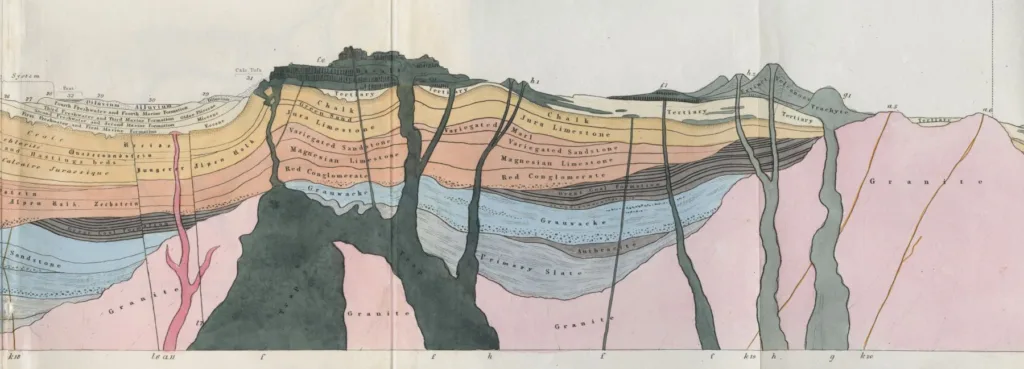
From the first-ever scientific description of a dinosaur to the revelation that Earth is much older than the Biblical 6,000 years, the 19th century saw a network of naturalists forge new ways of thinking about the history of life and our planet.
Breaking Ground is a new exhibition at the Oxford University Museum of Natural History that charts these significant developments in palaeontology and geology through a cast of characters – both the celebrated and the unsung – who helped to establish new scientific methods and ideas.
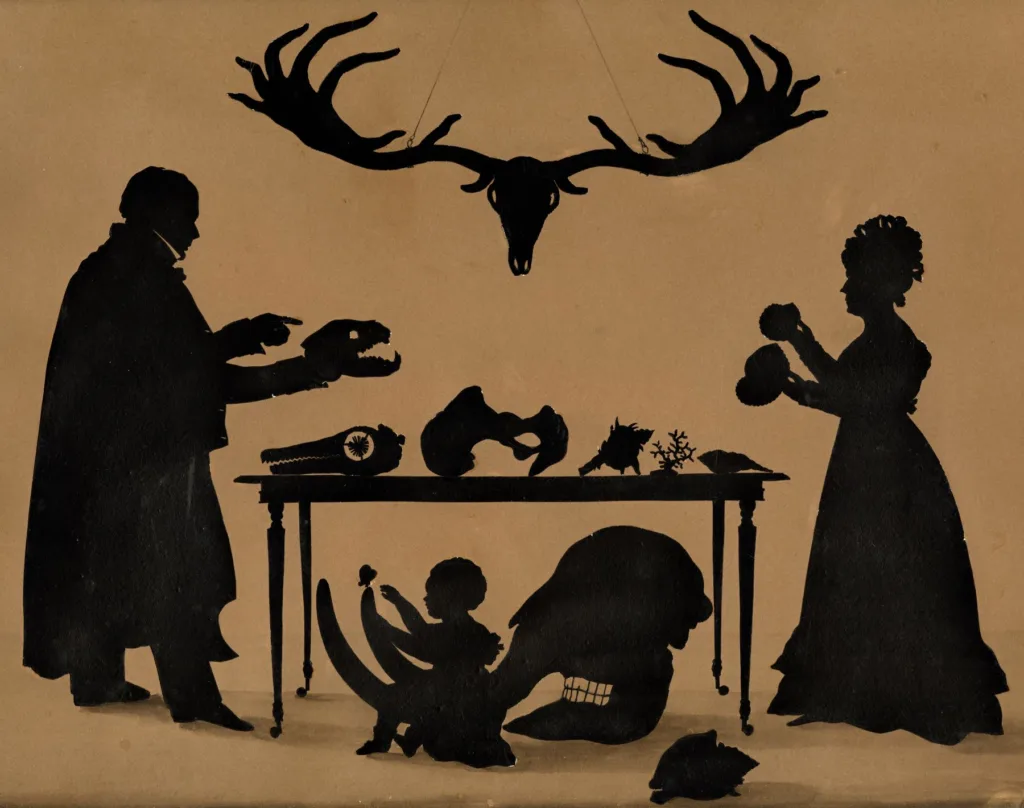
Centred on an Oxford couple – William Buckland, geologist and palaeontologist, and Mary Buckland (née Morland), a scientific illustrator, it explores some of the most historically important dinosaur discoveries ever made.
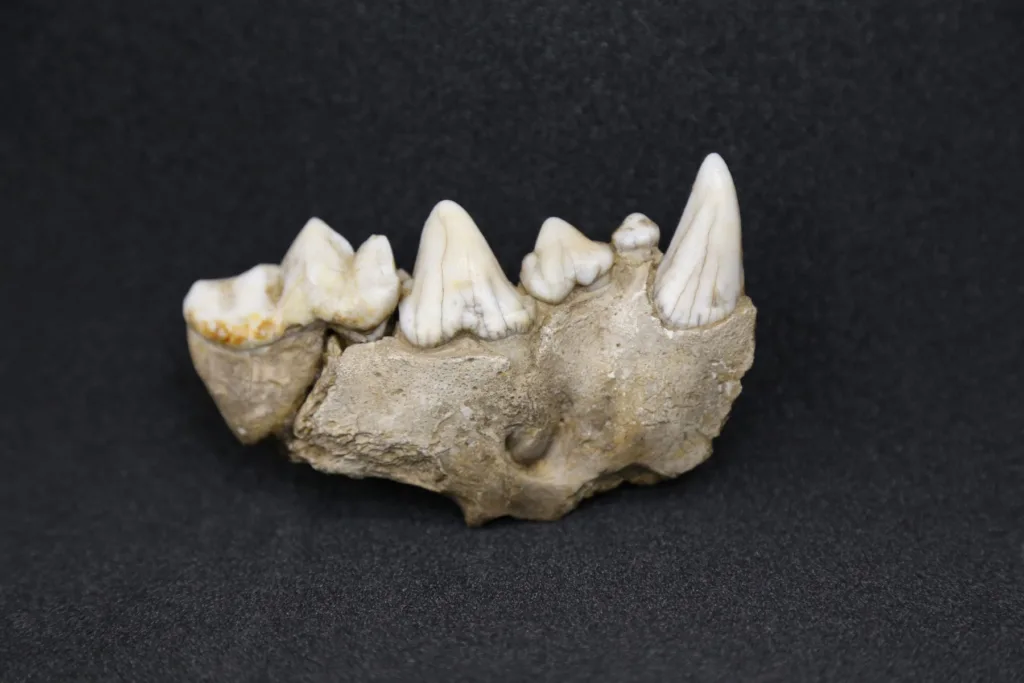
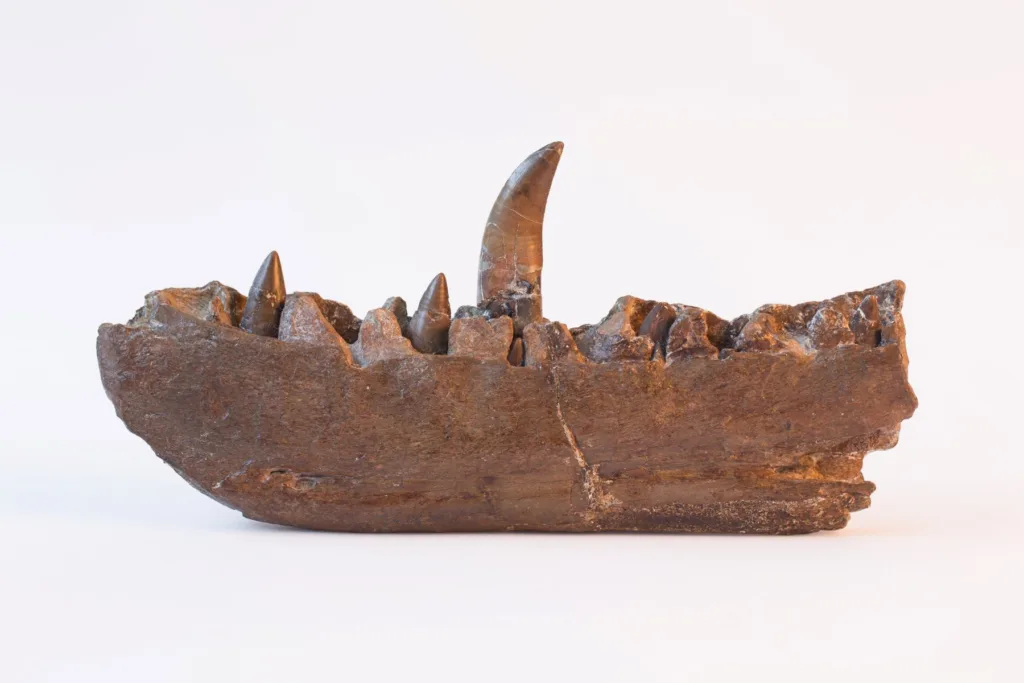
Marking the 200th anniversary of the first description of a dinosaur, Breaking Ground presents fossil material from the first three dinosaurs to be scientifically named – Megalosaurus, Iguanodon, and Hylaeosaurus, including the iconic jaw that started it all.
Alongside these historic specimens are more than 100 other objects, including fossils, skeletons, casts, and models. There is also archival material such as lithograph prints and watercolour paintings beautifully documenting the fieldwork, landscapes, and discoveries made during this fertile period of early palaeontology.
While celebrating these important scientific developments, Breaking Ground also investigates some inequalities of the period. William and Mary Buckland were married in 1825 and worked together to lay the foundations of modern palaeontology, though history tends to remember their contributions differently.
Familiar names from 19th-century palaeontology are typically those of powerful people associated with certain institutions and publications; lost to history are workers in other, often colonised, countries who dug for specimens, lower-status miners and quarriers around the UK, and most women, regardless of class or wealth.
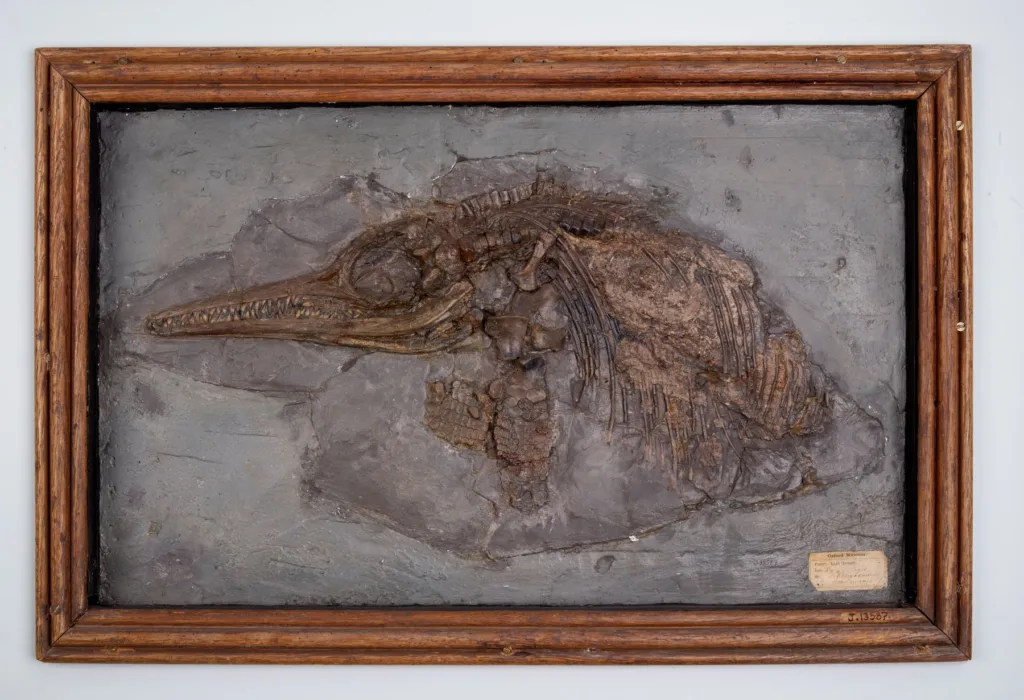
These include Mary Anning, who, though more recently celebrated, faced financial struggles for most of her life and, as a woman, was unable to join the Geological Society of London or present her own ideas. This is despite making some of the most important fossil discoveries of the century, several of which will be on display in the exhibition.
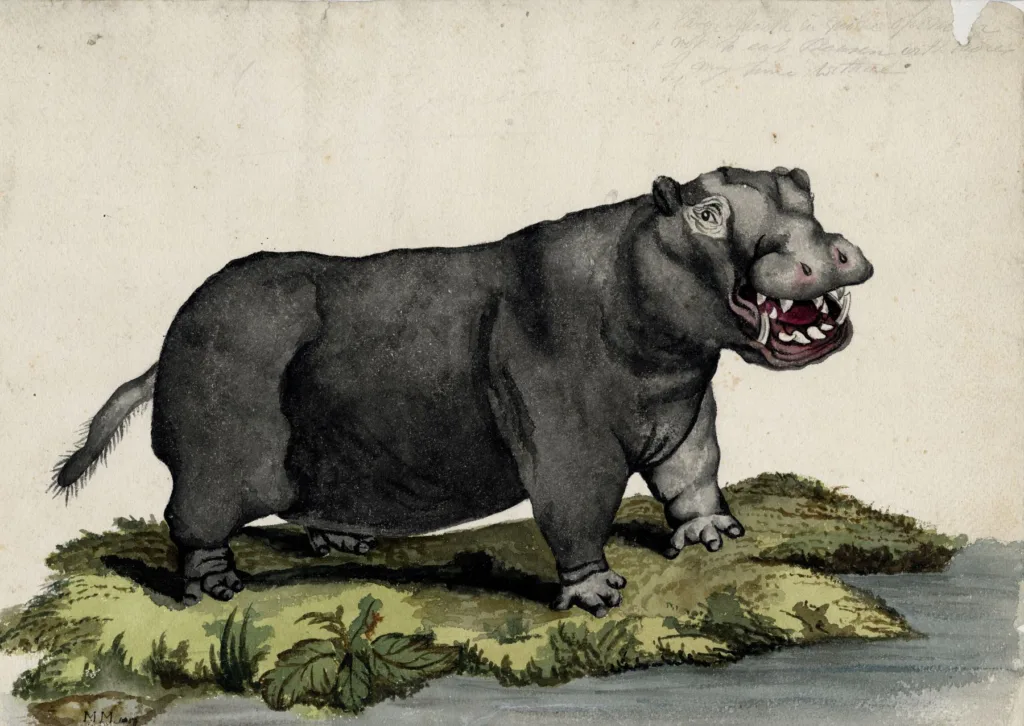
Breaking Ground will also offer the first showcase of items from the newly acquired Buckland archive. The drawings, prints and paintings made by Mary Buckland include those used in the description of Megalosaurus by William Buckland in 1824.
As these illustrations helped to spread understanding of extinct groups of animals and plants among the 19th-century scientific community, they challenged any literal interpretations of the Bible. A much older planet was revealed, one that had undergone periods of glaciation – a controversial idea at the time – and in which hyaenas once populated the caves of Britain.
Complementing the exhibition is a sculptural installation by British artist Angela Palmer. Torus of Time is a visual and tactile symbol of the deep time that was being uncovered by these pioneering 19th-century palaeontologists. An elegant ring of 16 quarry stones drawn from across the United Kingdom, the piece represents three billion years of geological time.
Tickets
Please see important booking information below.
Booking information
Prices:
Entry to the Museum is FREE and not ticketed. No booking required.
Booking is required for organisations/groups of more than ten people visiting on the same day.
Opening hours:
Monday to Sunday from 10.00am to 5.00pm
Last entry at 4.45pm
Closed on 24, 25, & 26 December
Accessibility:
Please contact the friendly team at the museum by telephone (01865 272 950) or email (foh@oum.ox.ac.uk)
Gallery
Click images to expand with captions
considered with reference to natural theology. The Bridgewater Treatises was a series of eight
volumes highlighting how science and faith could coexist. Buckland’s contribution argued that
geology and palaeontology were consistent with the Bible and natural theology.