A new countywide roadmap aims to restore biodiversity, strengthen climate resilience, and unite communities in protecting Oxfordshire’s natural environment.
Oxfordshire County Council has unveiled its long-awaited Local Nature Recovery Strategy (LNRS) – an ambitious, evidence-based plan shaped by the voices of residents, experts, and organisations from across the county.
Developed since 2023, the strategy represents a shared commitment to reversing wildlife decline, restoring habitats, and embedding coordinated nature recovery into Oxfordshire’s future.
Read more: People in Oxfordshire urged to have their say on local nature recovery
The project brings together conservation groups, farmers, foresters, local authorities, schools, businesses, and community organisations.

At its heart is a mission to reconnect Oxfordshire’s landscapes – strengthening resilience to flooding and climate change while improving wellbeing for future generations.
The LNRS includes a pioneering interactive mapping tool, helping to identify key areas for habitat creation and biodiversity enhancement. This innovative feature invites everyone – from landowners to local schools – to play a role in nature’s recovery.
Councillor Judy Roberts, Cabinet Member for Place, Environment and Climate Action, described the plan as “a call to action, a statement of hope and a promise to future generations.” She added:
“All local people, organisations, and authorities are delivery partners. Whether it’s creating a pond, managing a garden for wildlife, or restoring woodlands – there’s something everyone can do.”
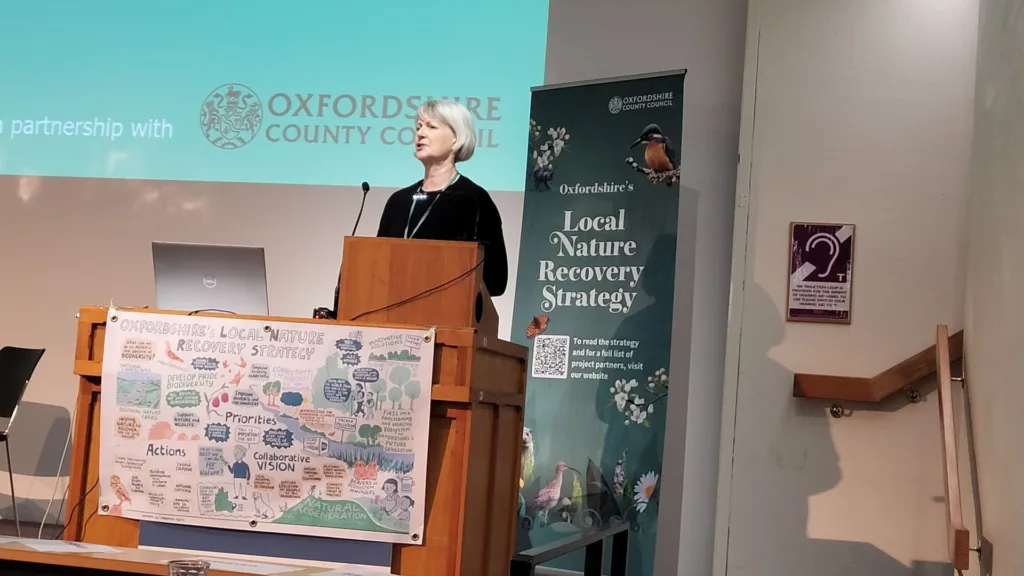
Over 2,000 people contributed to the formal consultation, providing feedback on strategy documents and the mapping tool. The overwhelmingly positive response led to further refinements before today’s launch.
Chloe Edwards, LNRS Project Manager, said the plan will “empower communities at the grassroots,” providing a framework for directing energy and resources to the areas of greatest ecological benefit.
Richard Benwell, Chair of the Oxfordshire Local Nature Partnership, called the strategy “a treasure map setting a path to make Oxfordshire rich in nature,” urging local leaders, land managers, and businesses to “bring the plan to life.”

Nature Minister Mary Creagh praised the initiative as “an opportunity to create bigger, better, and more connected areas for nature,” highlighting its potential to improve resilience, wellbeing, and prosperity across the county.
The LNRS will now guide funding bodies, planners, and environmental investors toward actions that deliver the greatest ecological gains. It also includes a strong framework for monitoring and review – ensuring the plan evolves over the next decade in line with changing local needs and new scientific insight.