As Father’s Day approaches, social media feeds fill with family photographs, gift ideas and messages of appreciation for dads and father figures. For many, it is a day of celebration. For others, it serves as a poignant reminder of someone they have lost.
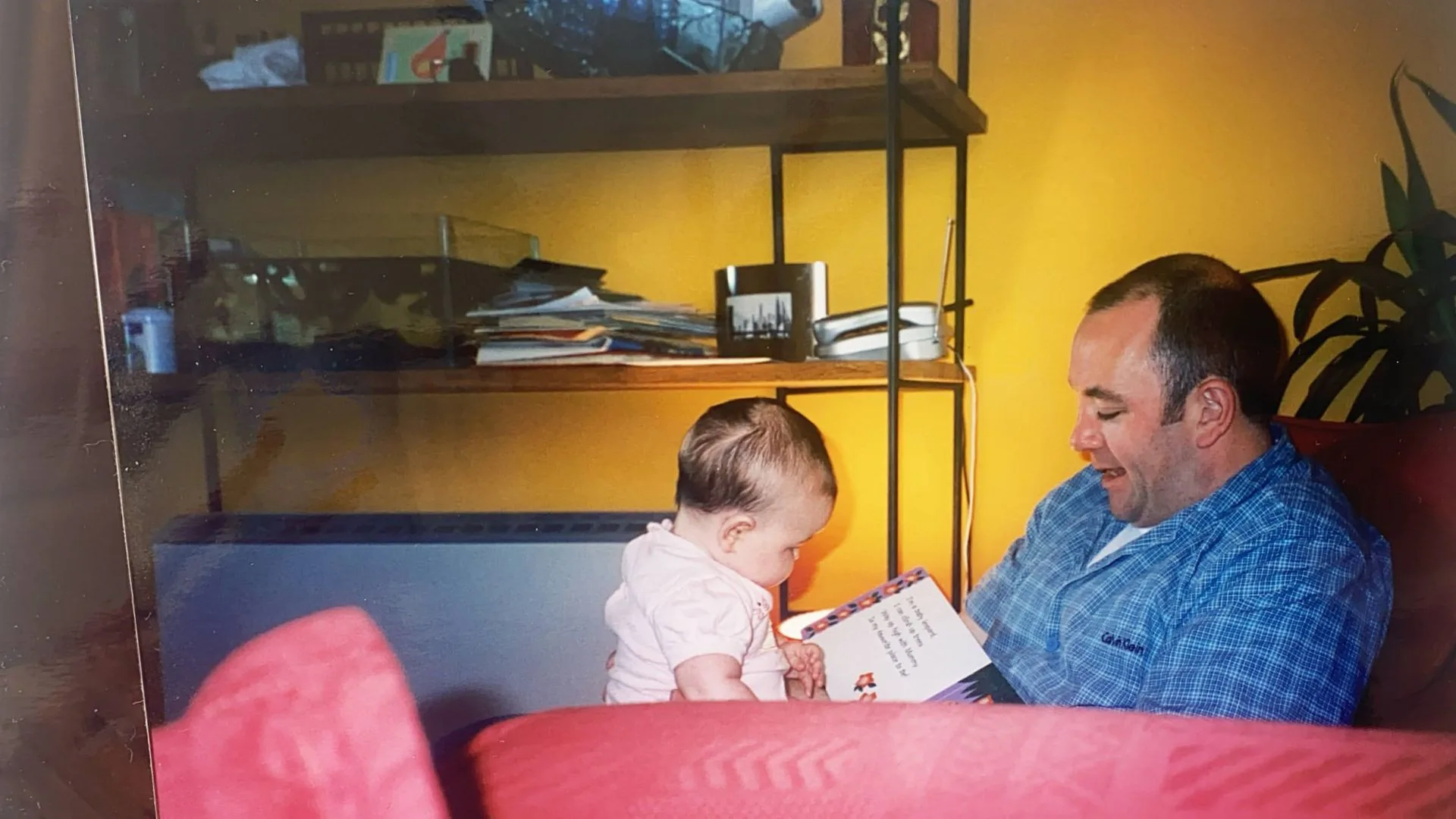
For Oxfordshire resident Nell Davies-Small, Father’s Day has taken on a very different meaning in recent years.
The 24-year-old lost her father suddenly three years ago following a short, five-week battle with brain cancer. The timing made an already devastating loss even harder to process. Having just completed university, Nell attended her father’s funeral the day before her graduation ceremony.
Today, she is sharing her experience in the hope that others navigating grief feel less alone.
” The first Father’s Day I experienced without my father I spent feeling very angry,” Nell recalls. “Watching others appreciate their parent, and celebrating alongside them, felt a personal attack on the absence of my own dad.”
Like many people grieving the loss of a parent, she found herself caught between personal sorrow and a world seemingly moving on around her.
“I wished he had been there, to read my card, laugh at my sincerity, and I wished we could spend the day together; go for a walk and a pint, watch The Royle Family, and laugh together, like we always did.”
While grief is often described as a journey, it rarely follows a predictable path. For young adults especially, the loss of a parent can arrive during a period of significant life change, disrupting plans, milestones and expectations for the future.
For Nell, the years since her father’s death have been marked by both heartbreak and growth.
As a Youth Ambassador for Child Bereavement UK, she has found herself connecting with other young people who understand the complexities of loss.
“When I first joined Child Bereavement UK, it was to shout about my grief and the injustice, the pain and the heartbreak,” she says. “I wanted to make sure nobody ever felt as isolated and downtrodden as I did when my dad died.”
What she discovered was not a solution to grief, but something equally important: a community.
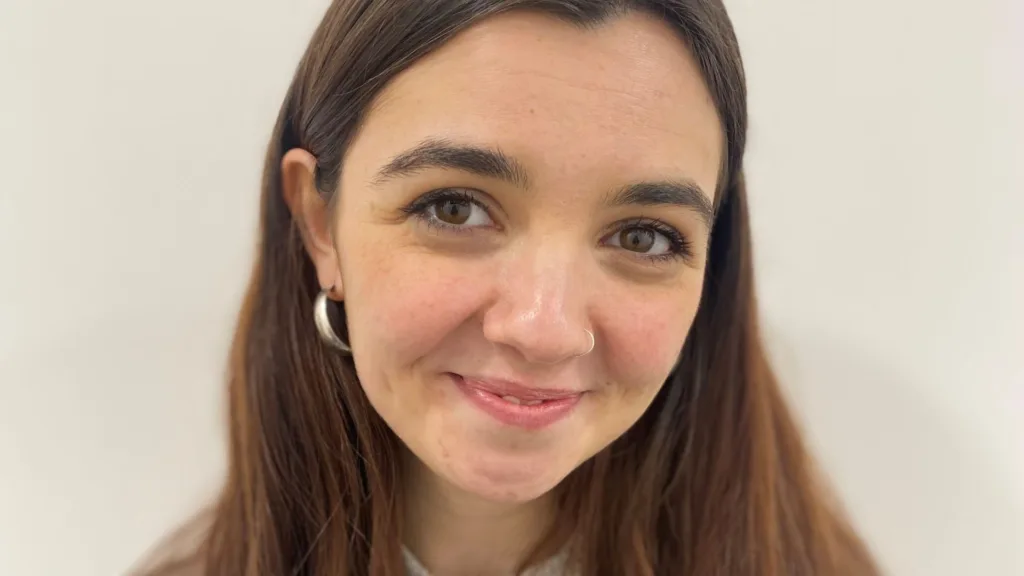
“Three years on, I realise now I will never be able to do that, because their grief is not something I can fix. But working with Child Bereavement UK brought me something I never thought I would have: a group of incredible people with similar experiences who have held my hand and laughed with me through the highs and lows of this funny thing we call grief.”
Her experience reflects a reality recognised by bereavement specialists: grief does not disappear with time. Instead, many people learn how to carry it alongside the rest of their lives.
Special occasions such as Father’s Day, birthdays, anniversaries and Christmas can be particularly challenging. These moments often shine a spotlight on absence, bringing emotions back to the surface regardless of how much time has passed.
Yet Nell says her relationship with Father’s Day has evolved.
“As life has moved on, although it feels like my grief has not, approaching my third Father’s Day without my dad has made me realise it has.”
Rather than focusing solely on loss, she now sees the day as an opportunity to reflect on the relationship they shared.
“How lucky are all of my friends to hug their fathers, how lucky am I to miss mine with such ferocity and desperation. But, more importantly, how lucky am I to have loved and been loved by him.”
It is a perspective shaped not by the absence of grief, but by an acceptance that grief and love are deeply connected.
For many bereaved people, remembrance becomes an important part of healing. Whether through family traditions, sharing stories, visiting meaningful places or simply setting aside time to reflect, finding ways to honour loved ones can help maintain a sense of connection.
For Nell, Father’s Day has become a quieter, more reflective occasion.
“Father’s Day, for me, has become a time of quiet reflection; the parts of him I see in myself, a slow day to remember my warm and bright childhood, and to remind myself that taking active time to remember someone means you have the rare and incredible ability to keep them alive.”
She is also candid about the difficulties that remain.
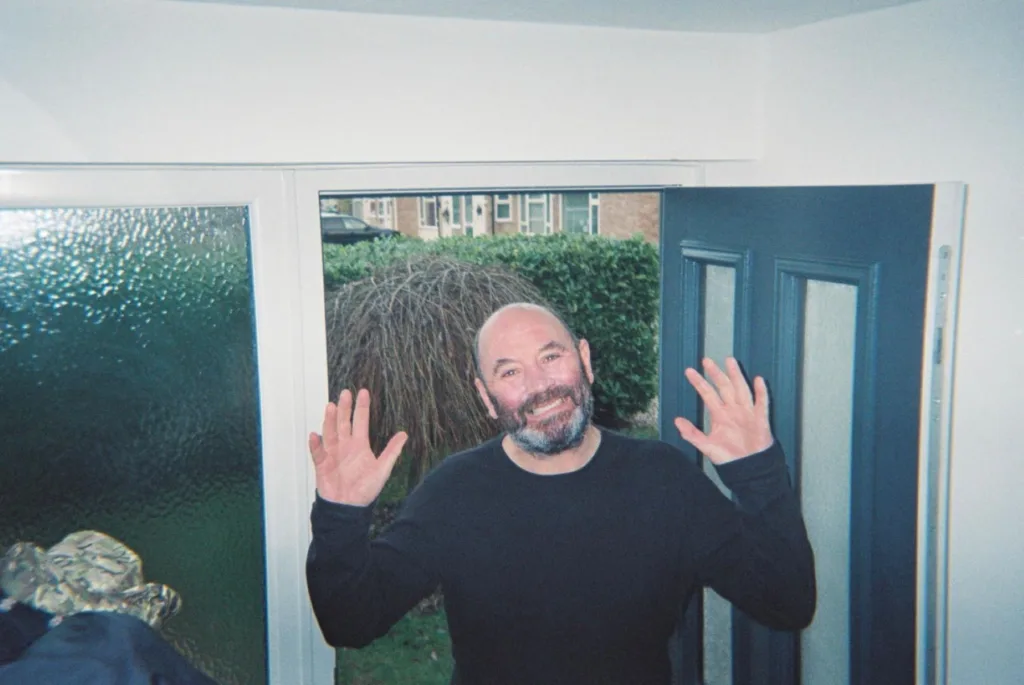
The first Father’s Day after her father’s death was overwhelming. Like many young people dealing with grief in an increasingly connected world, she found social media particularly difficult.
“If this is your first Father’s Day without your dad; there is no right or wrong way to deal with anything, especially not this.”
Her coping mechanisms were simple but effective.
“I put my phone in a drawer and did not open it for 48 hours because I was terrified to see social media. I gathered my friends around me and talked about him all day because that was all that made me feel safe.”
Her message to others facing a similar experience is one of compassion and understanding.
Grief looks different for everyone. Some people prefer solitude, others seek company. Some find comfort in routines and traditions, while others create entirely new ways of marking difficult occasions.
The important thing, Nell says, is recognising that there is no single correct response.
Although Father’s Day remains emotionally complex, she now sees beauty in the purpose behind it.
“Although Father’s Day still makes me feel a bit queasy, I also think; what a beautiful day we have, to remember people, dead or alive, and consciously bring them into our days, because they made our lives so beautiful for so long.”
Her story comes as Child Bereavement UK highlights the challenges many children and young people face when navigating significant dates after the death of someone important in their lives.
The charity provides free support across the UK for children and young people up to the age of 25 who are bereaved or facing the death of someone close to them. It also supports parents and carers whose babies or children have died or are dying.
Through specialist bereavement services, the organisation helps families understand and cope with grief, while offering practical and emotional support during some of life’s most difficult moments.
As Father’s Day is marked across Oxfordshire and beyond, Nell’s reflections offer a reminder that the day means different things to different people.
For some, it is about celebration. For others, remembrance.
And for those carrying the loss of a father, it can be both at the same time.