When Waitress arrives at New Theatre Oxford as part of its UK and Ireland tour, it will do so with the confidence of a show that already knows exactly what it is — and what audiences are coming to it for. This is not a musical in search of discovery, but one that invites recognition: of its songs, its emotional terrain, and its quietly affecting portrait of ordinary lives under pressure.
The production, which will open in Oxford from 29 June to 04 July 2026, is part of a decade-long journey that has taken Sara Bareilles’ Broadway hit from New York to the West End and across international stages. Yet despite that global footprint, its appeal remains strikingly intimate. Set almost entirely within a small-town diner, Waitress builds its world from routine gestures: orders called out over a counter, friendships formed during shifts, and private dreams folded into the rhythm of daily work.
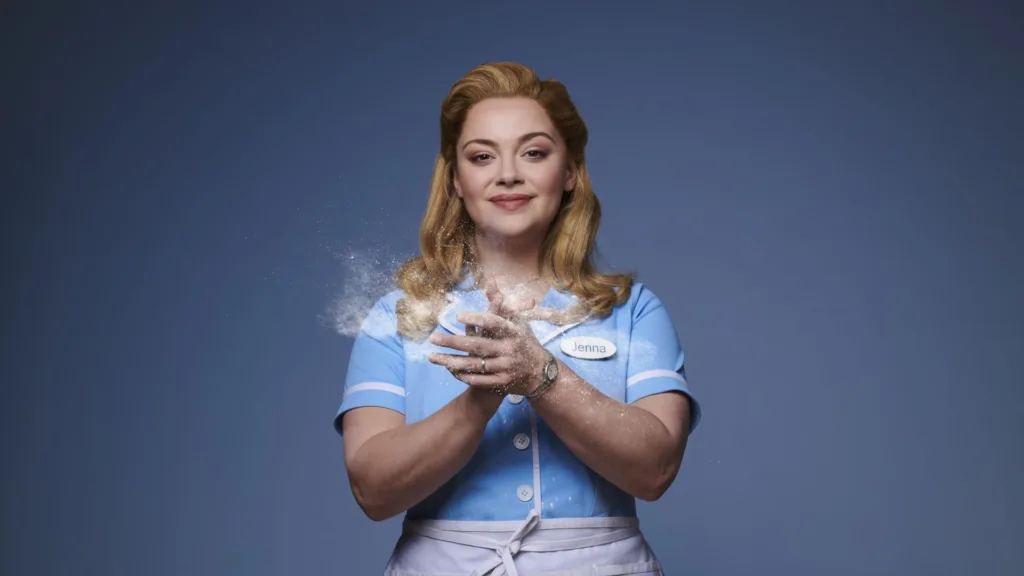
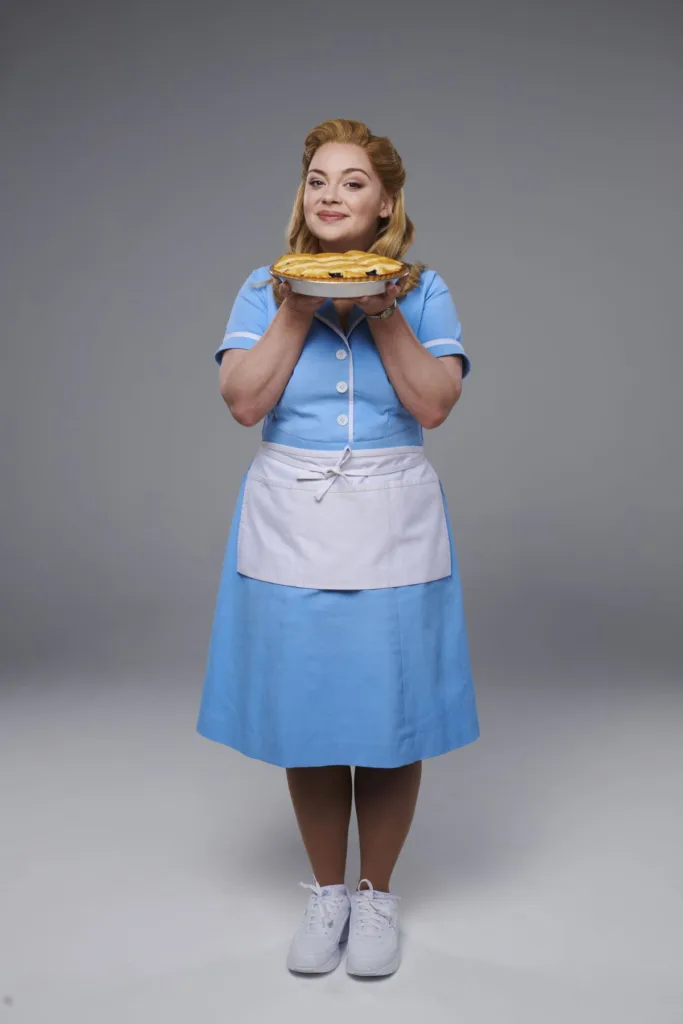
At the centre of that world is Jenna, played on this tour by Carrie Hope Fletcher, a woman whose life is shaped by constraint as much as possibility. She is a gifted pie maker in a loveless marriage, unexpectedly pregnant, and quietly beginning to imagine that escape might still be possible. The story never treats that realisation as sudden or dramatic. Instead, it unfolds gradually, through small decisions and moments of connection, particularly with the women she works alongside.
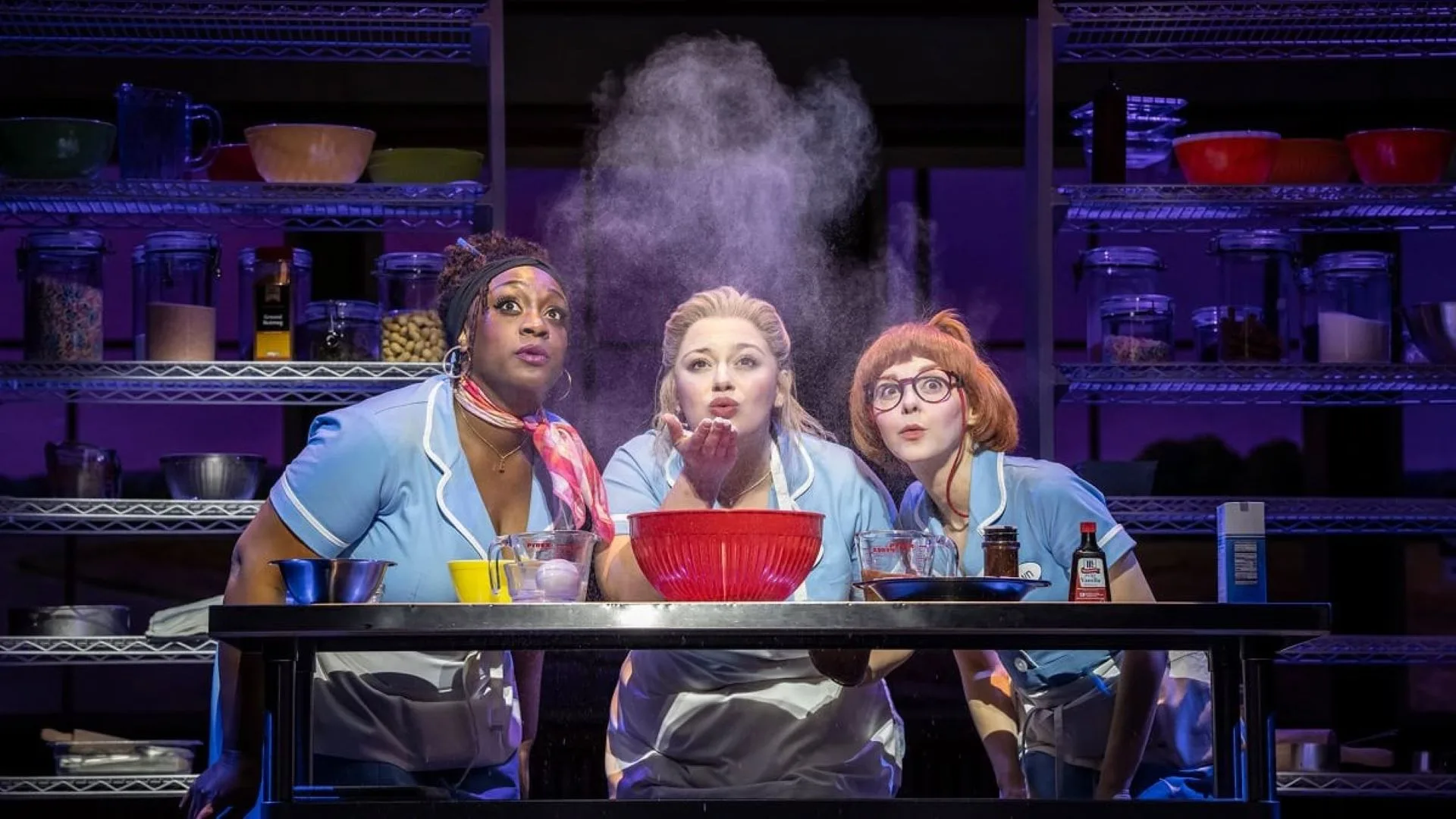
Those relationships form the emotional backbone of the piece. Becky and Dawn are not simply supporting characters but essential counterweights to Jenna’s isolation, offering humour, candour and solidarity in equal measure. It is in these exchanges that Waitress finds much of its warmth, balancing difficult subject matter with a lived-in sense of companionship that feels earned rather than imposed.
The diner itself becomes more than a setting; it functions as a kind of emotional ecosystem where personal struggles are both hidden and shared. That balance between privacy and exposure is part of what has allowed the show to travel so widely. Audiences may not recognise Jenna’s exact circumstances, but they recognise the feeling of being stuck, of imagining alternatives, and of needing other people to make those alternatives feel real.
Sara Bareilles, who wrote the music and lyrics, has described the show’s enduring appeal in simple terms: heart, humour and community. Those three elements are not decorative but structural. The humour often arrives quietly, embedded in dialogue and character rather than punchlines. The heart emerges most clearly in moments of vulnerability that the score allows space to breathe. And community — particularly among the women in the diner — becomes the mechanism through which change is even conceivable.
That emotional architecture is what gives the score its particular resonance. Songs such as She Used to Be Mine have taken on a life far beyond the production itself, not because they overwhelm, but because they articulate something recognisably private. Bareilles has spoken about the experience of hearing audiences form their own relationships with the music, describing it as a sense of the work becoming “like an old friend”.
This touring production is led by Carrie Hope Fletcher as Jenna, bringing a performer known for her ability to balance vocal strength with emotional directness. Around her, the cast includes Sandra Marvin as Becky, Evelyn Hoskins as Dawn, and Les Dennis as Joe, the diner’s owner — a figure who sits slightly outside the central trio of women but remains deeply embedded in their world.
Dennis has described Joe as a “curmudgeonly” presence with a “buttercream centre”, a man who observes more than he reveals. His role is not to resolve Jenna’s story, but to reflect it back in quieter, often more reflective ways. In a show so focused on cycles of endurance and care, Joe represents time itself: what it costs, what it leaves behind, and what it occasionally returns.
One of the defining qualities of Waitress is its refusal to simplify the emotional lives of its characters. There are no clean antagonists, no neatly drawn transformations. Instead, the musical presents a series of imperfect people navigating difficult circumstances, sometimes well, sometimes badly, and often somewhere in between. Sara Bareilles has described this as one of the show’s central intentions: to focus not on heroes or villains, but on people trying to get through their lives.
That approach is reflected in the production’s creative foundations, with direction by Diane Paulus and choreography by Lorin Latarro shaping a style that prioritises intimacy over spectacle. The result is a staging language that keeps attention fixed on character interaction rather than theatrical display, reinforcing the sense that what matters most is happening at conversational distance rather than centre stage.
As a touring production, Waitress also carries with it the accumulated memory of its previous incarnations. It arrives in Oxford not as a first encounter, but as part of a longer cultural conversation — one in which audiences may already know the songs, recognise the story beats, or arrive with their own emotional associations. That familiarity is not a barrier to engagement but part of the experience itself.
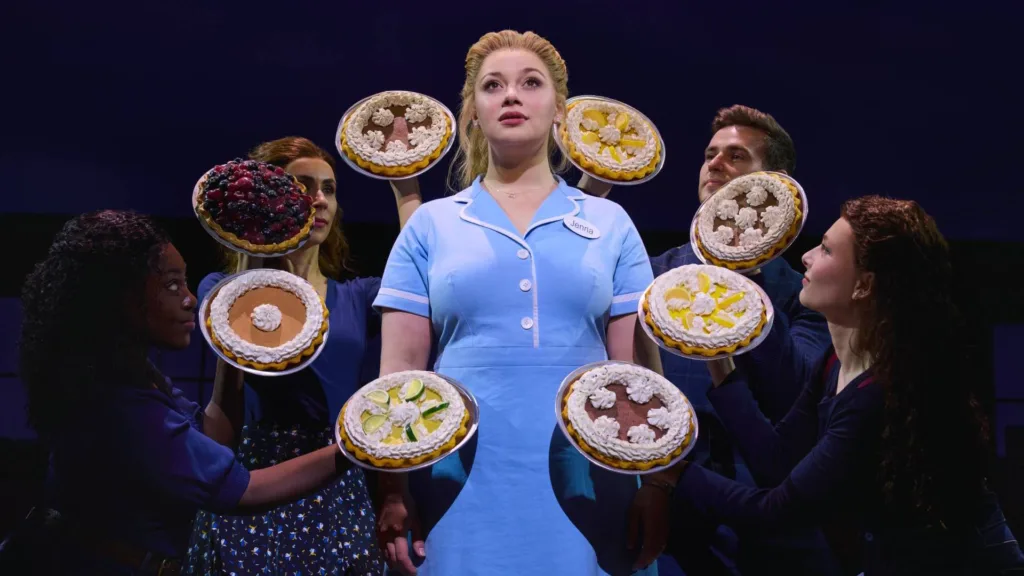
What remains, even on first viewing, is the clarity of its emotional intent. Waitress is ultimately about what it means to imagine a different life, and what it costs to move towards it. It is about friendship as support structure, work as both constraint and refuge, and the quiet ways in which people begin to change.
In Oxford, that story will once again unfold in the familiar setting of a diner where pies are baked, conversations overlap, and life continues in all its complications. And as ever, the invitation is not simply to watch Jenna’s story, but to recognise something of one’s own in it — the hesitations, the hopes, and the small, persistent belief that change might still be possible.
Waitress opens at New Theatre Oxford from 29 June to 04 July 2026, with limited tickets remaining.