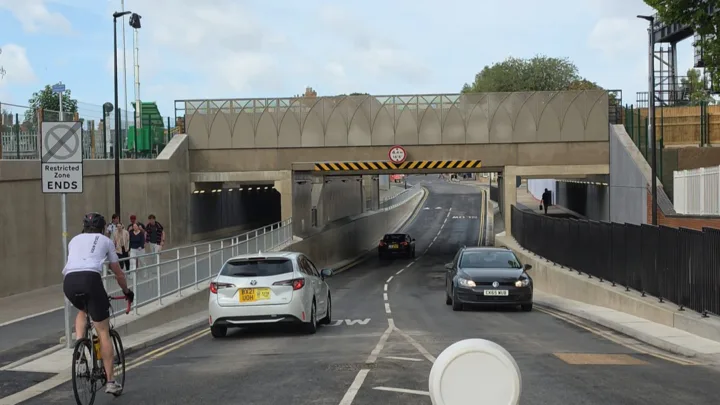
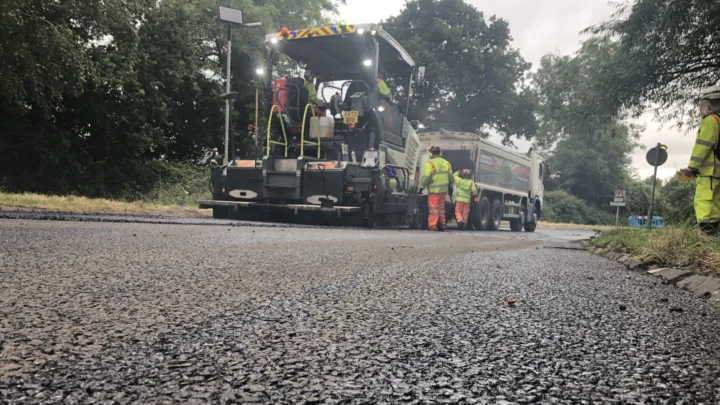
A £5 daily congestion charge could be introduced on key roads in and around Oxford this autumn, as Oxfordshire County Council looks to ease the city’s growing traffic crisis ahead of long-delayed infrastructure upgrades.
The proposal is part of a package of short-term options that will be discussed by the council’s Cabinet on Tuesday, 17 June.
Councillors will be asked to approve the launch of a six-week public consultation on a temporary scheme aimed at cutting congestion, improving public transport, and making it easier for those with travel permits to access the city.
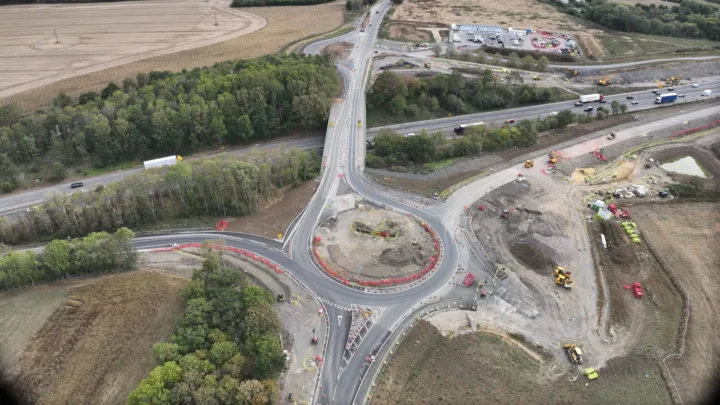
The move follows the postponement of the council’s flagship traffic filter trial, originally scheduled to begin in August 2023, but now delayed until at least August 2026 due to the prolonged closure of Botley Road for major rail works.
Read more: Network rail announces revised Botley Road closure dates
Councillor Andrew Gant, Cabinet Member for Transport Management, said:
“We urgently need to see improvements to travel around the city—better bus services and less traffic overall—to help people get around. We must take action for our residents, businesses and visitors while Botley Road remains closed, and I look forward to discussing the options with Cabinet colleagues.”
What is being proposed?
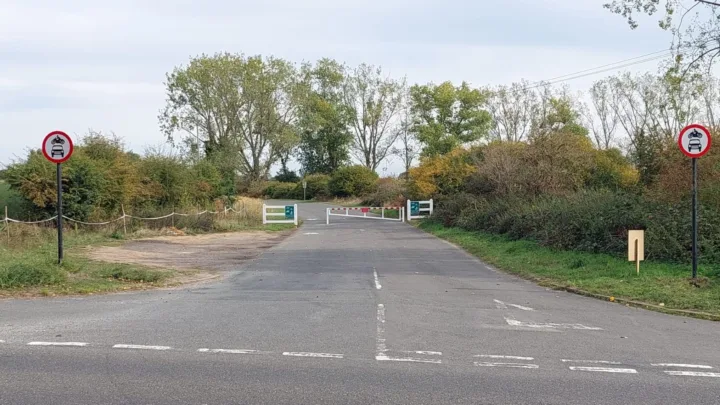
If approved, the temporary congestion charge would apply to vehicles without a permit driving through six key routes in the city – mirroring the future traffic filter zones:
- Hythe Bridge Street, Thames Street, St Clement’s Street, and St Cross Road from 7.00am to 7.00pm, every day
- Marston Ferry Road and Hollow Way from 7.00am to 9.00am and 3.00pm to 6.00pm on Monday to Saturday
The £5 charge would apply daily, including bank holidays, and be enforced using automatic number plate recognition (ANPR) cameras already planned for the traffic filter scheme. Roadside signage would mark each charging point.
Read more: Six traffic filters to be trialled across Oxford city
Permits would exempt groups such as Blue Badge holders, unpaid carers, traders, and those transporting equipment or goods. A new temporary local-use permit would also be made available for residents, visitors, and key workers with no alternative but to use the charged routes.
The scheme could launch as early as autumn 2025, with consultation expected to begin on 23 June through the council’s ‘Let’s Talk Oxfordshire’ platform.
Read more: Traffic filters, LTNs, ZEZ, WPL… an introduction to Oxford’s traffic initiatives
Why now?
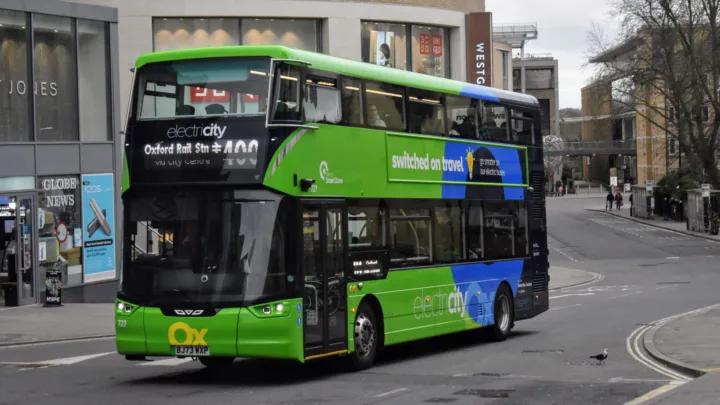
The council has come under pressure from bus companies, particularly Oxford Bus Group, which warned earlier this year that congestion in the city had reached “emergency levels” following the Network Rail delay to reopening Botley Road. Bus services have faced serious disruption, with impacts on journey times, reliability, and air quality.
The new plan would make use of the same infrastructure and back-office systems intended for the delayed traffic filter trial, allowing the council to respond quickly to the congestion challenge.
Council leaders say any surplus income from the congestion charge would be used to fund wider transport improvements, such as cheaper bus fares and reduced Park & Ride parking.
Councillor Gant added:
“This is a practical and fair proposal that will allow us to act swiftly while our longer-term plans are on hold. It’s about supporting everyone who relies on the city’s transport network—from bus users and pedestrians to drivers and small businesses.”
How to take part
If Cabinet gives the green light on 17 June, the public consultation will run for six weeks, gathering feedback on the scheme’s design and likely impact. An online survey will be hosted on Let’s Talk Oxfordshire, with printed materials available at main libraries and County Hall.
A series of public Q&A sessions and online briefings will also be held to provide residents, businesses, and community groups with the opportunity to ask questions and voice their views.