What’s on
Events
List of events in Photo View








About
Venue information
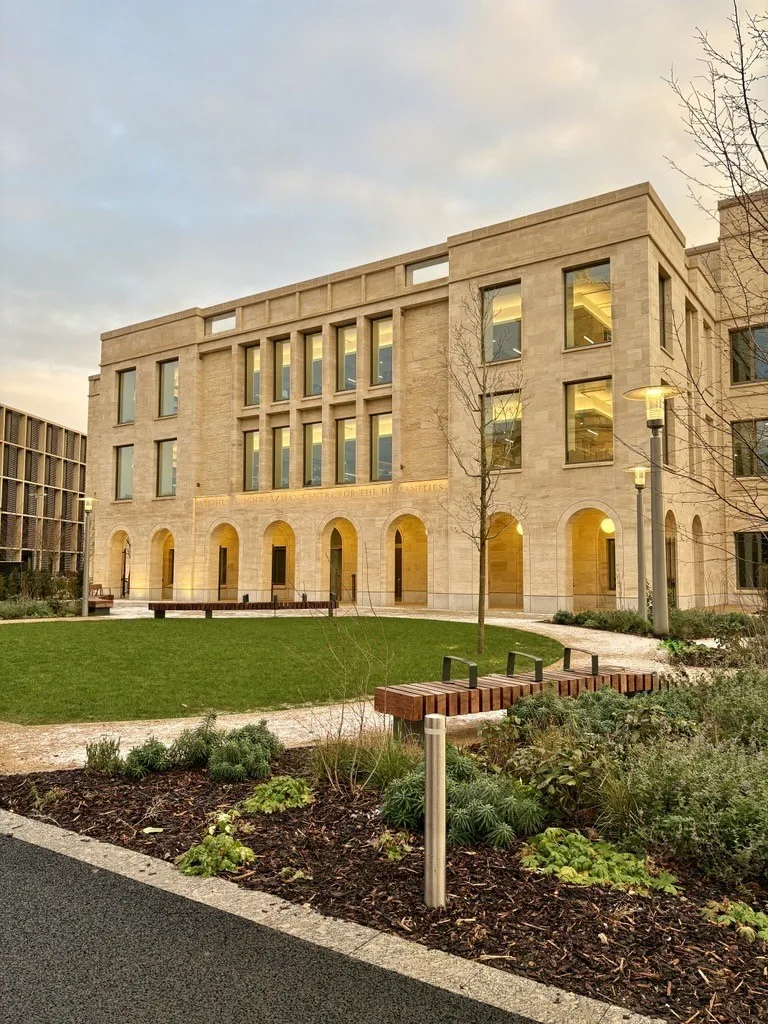
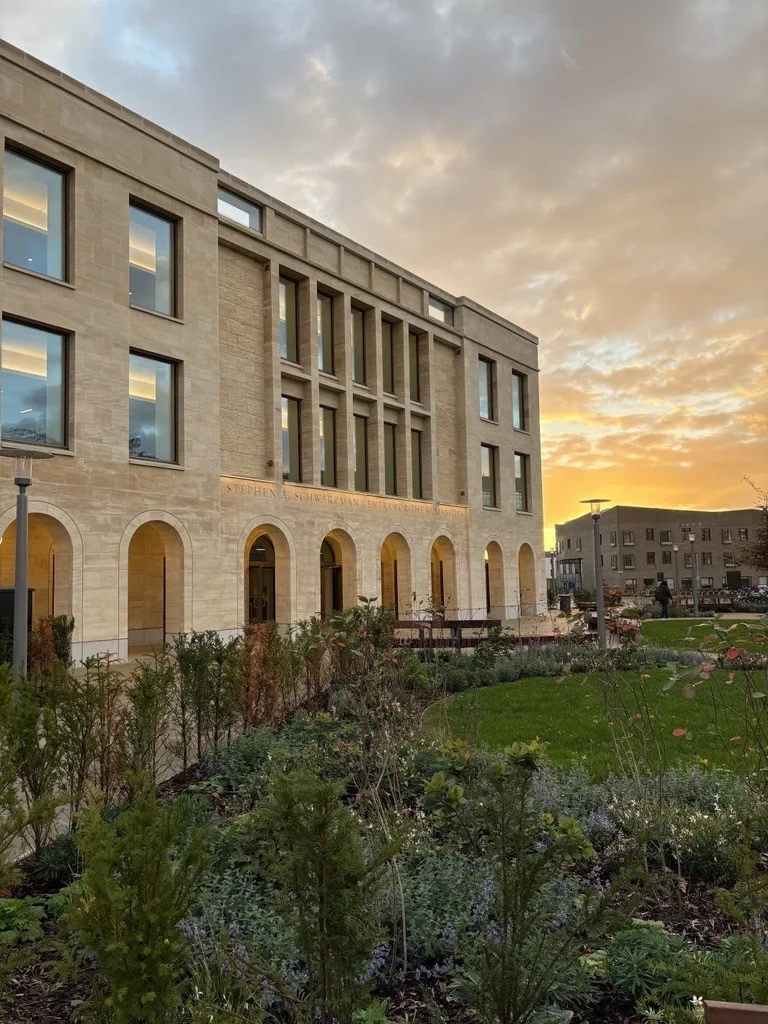
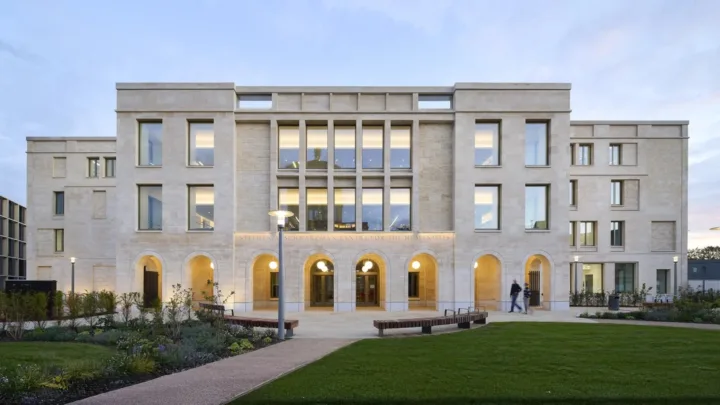
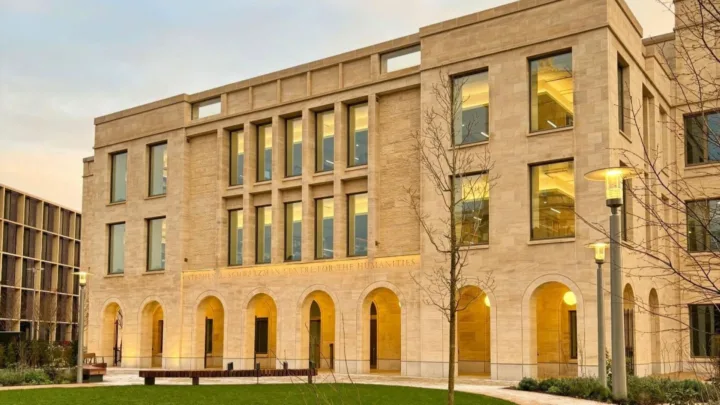
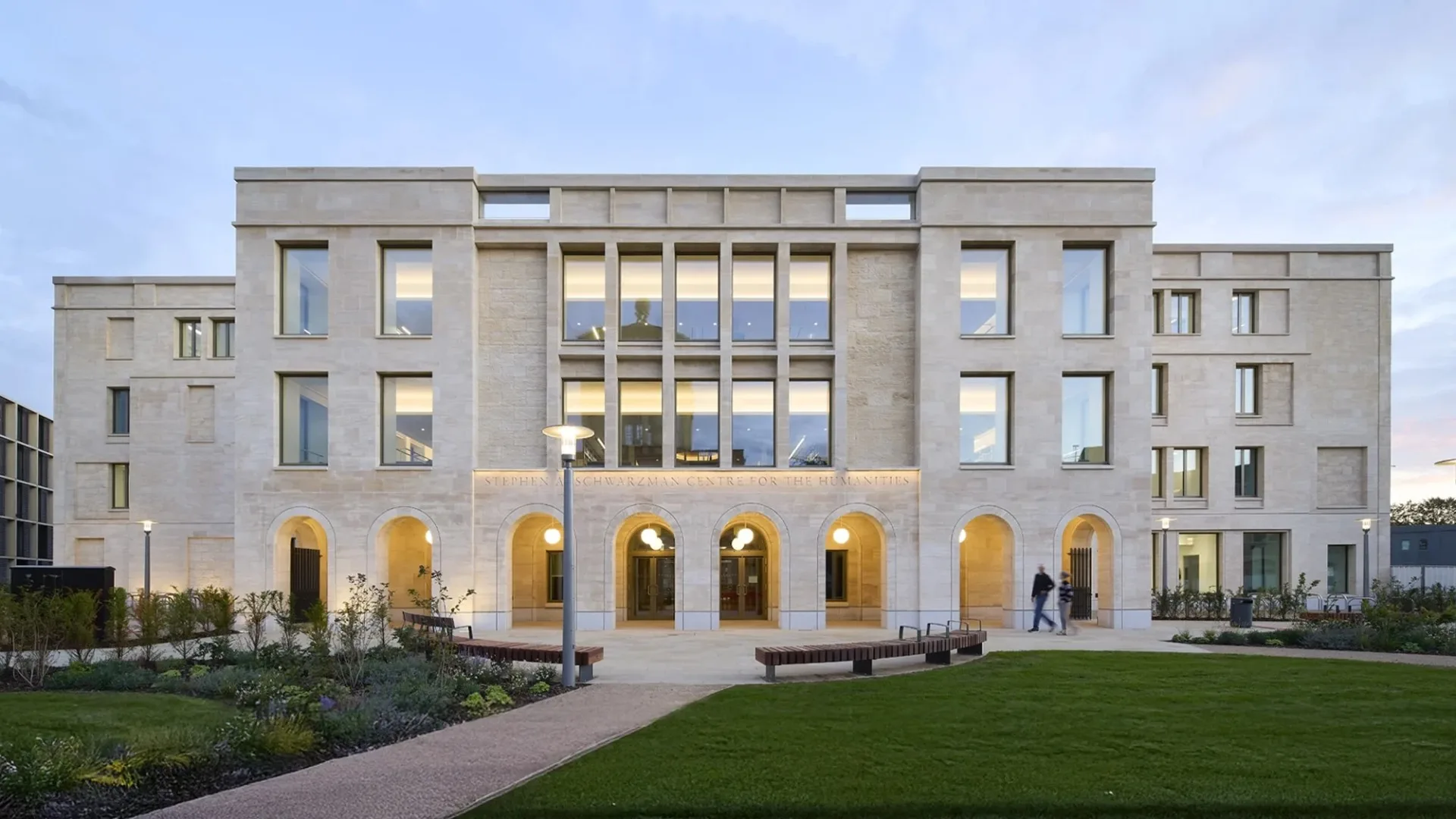
Schwarzman Centre for the Humanities is a major new cultural and academic landmark for Oxford, bringing together the University’s humanities faculties with a programme of public performances, exhibitions, and events under one roof.
The centre has quickly established itself as one of the most significant additions to the city’s cultural infrastructure in recent years, offering a rare blend of teaching, research, and public engagement within a single, purpose-built space designed to be open and accessible to all.
Designed as both an academic engine room and a civic-facing arts venue, the building signals a deliberate shift in how the humanities are experienced in the city — less hidden behind college walls, more open, permeable, and engaged with the public.
A new kind of humanities hub
At its core, the Schwarzman Centre consolidates seven humanities faculties, creating a single, interdisciplinary base for teaching, research, and collaboration. This co-location is central to its purpose: encouraging intellectual exchange across disciplines that have traditionally operated in separate spaces across the city.
Alongside academic facilities, the building incorporates lecture theatres, seminar rooms, and shared research environments designed to support both formal teaching and informal academic encounter.
Culture at the heart of the building
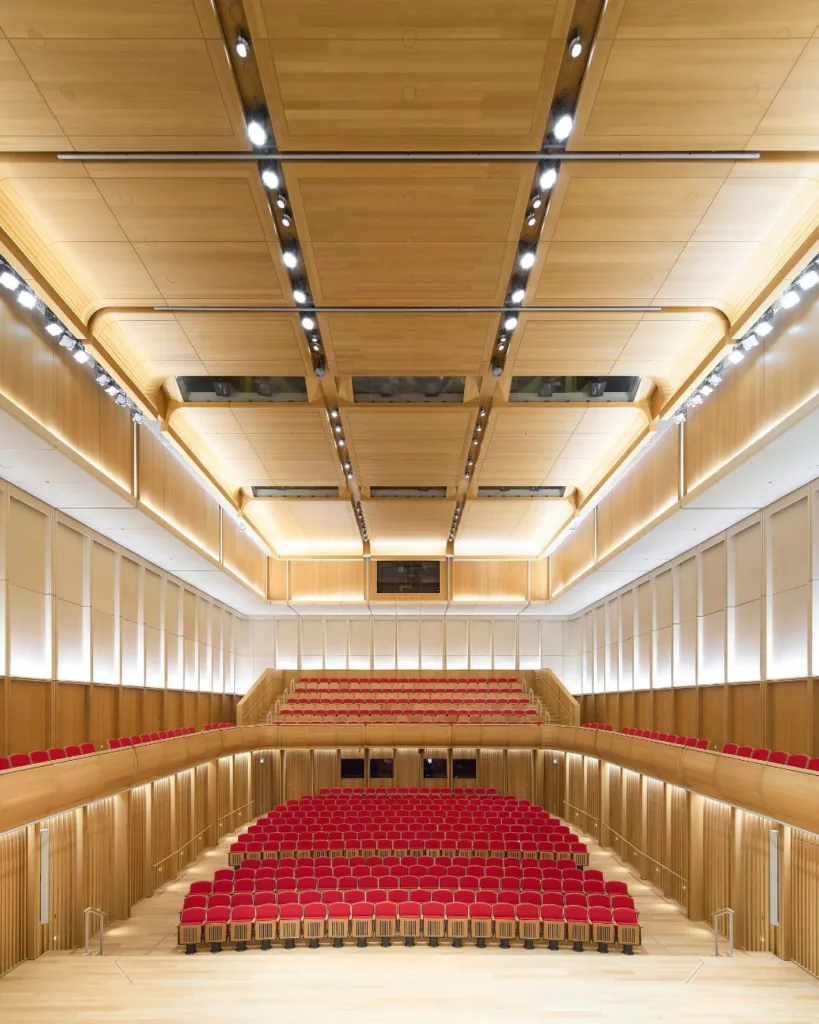
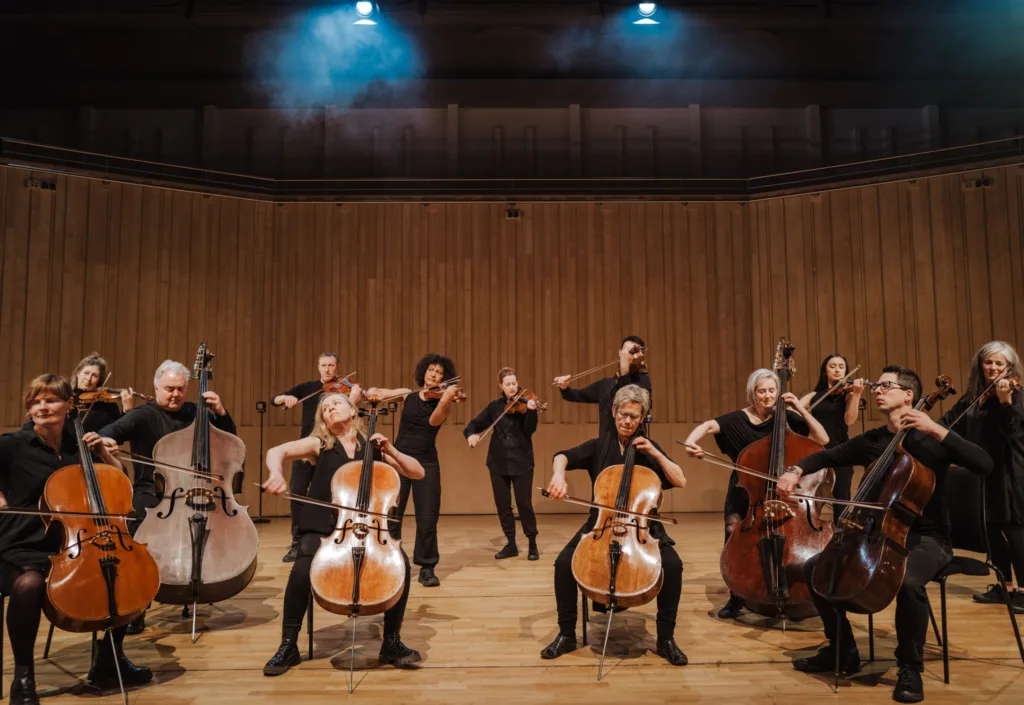
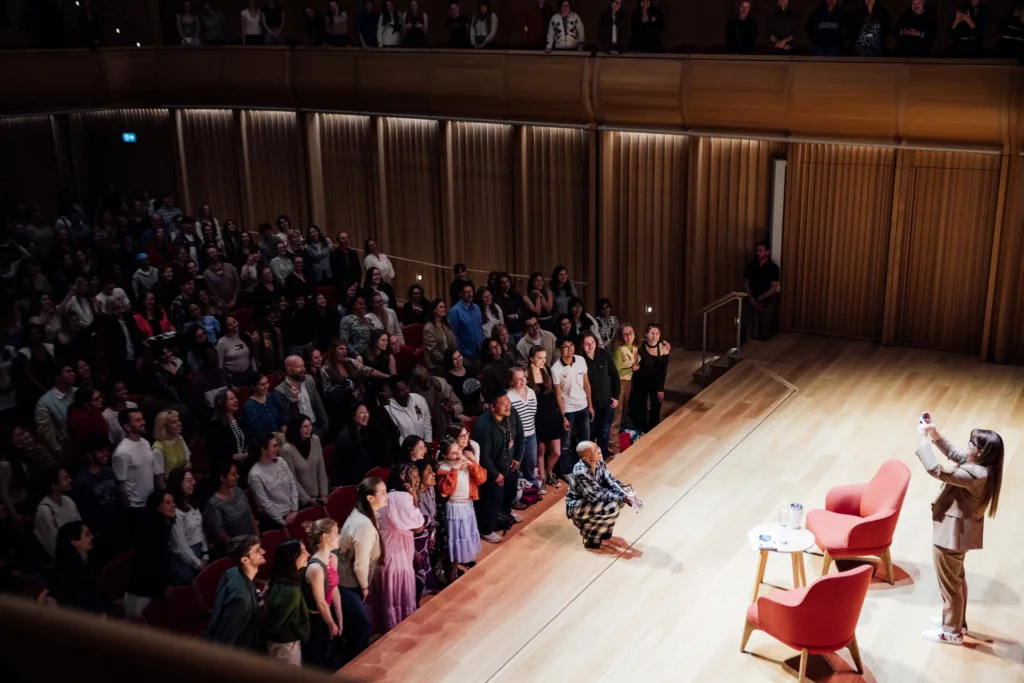
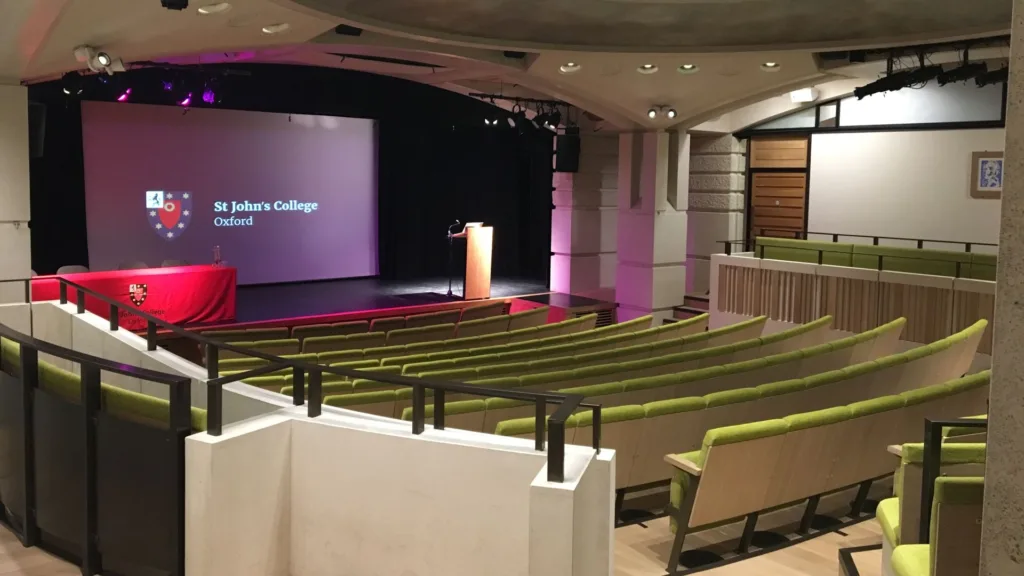
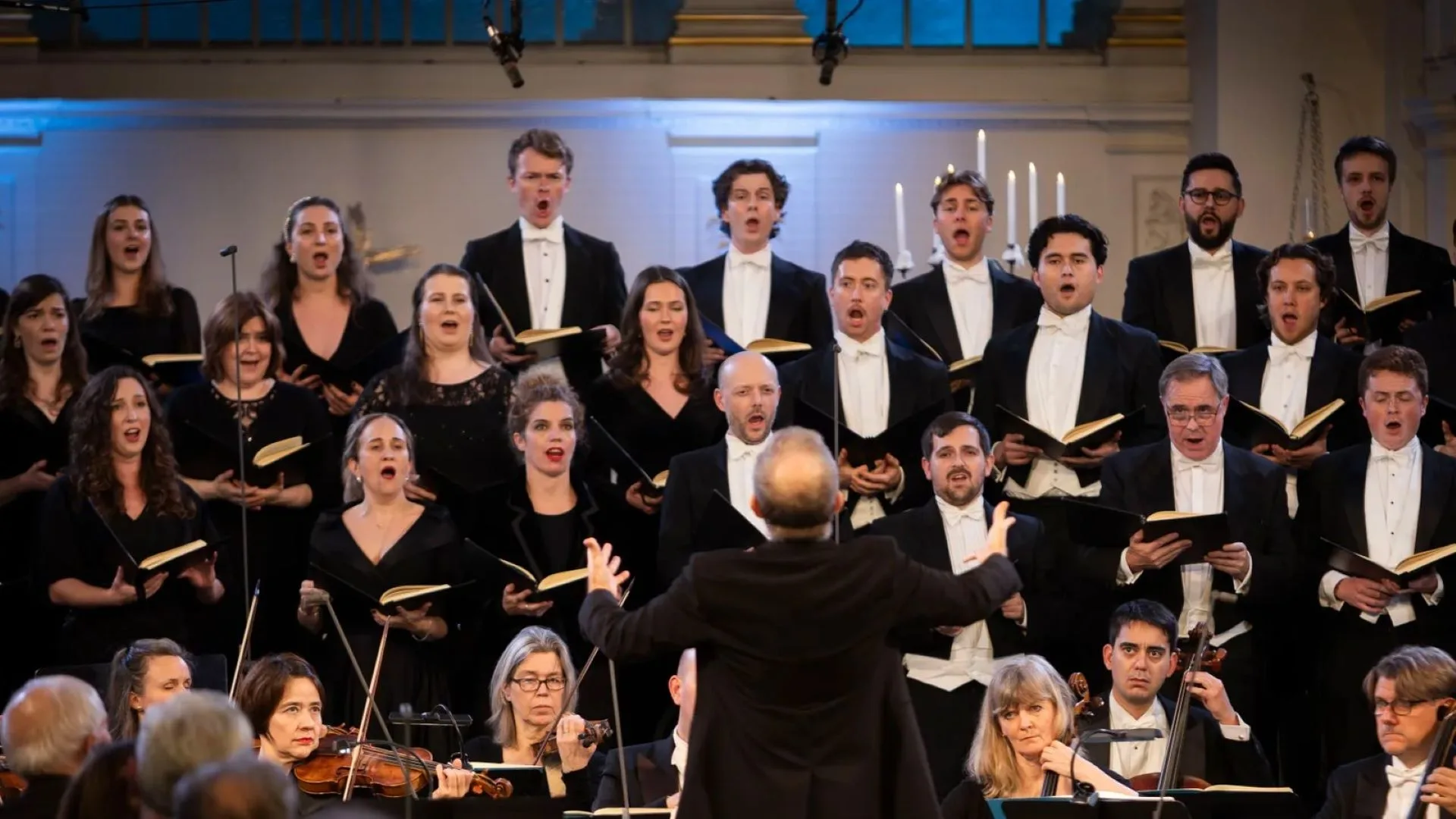
What distinguishes the Centre from a conventional university building is its scale of cultural provision. It has been conceived as a year-round public venue, with facilities including a 500-seat concert hall, a theatre, a black-box performance space, a cinema, and exhibition galleries.
These spaces are intended not only for university use but also for visiting artists, touring companies, and public audiences, positioning the Centre as a new cultural destination for Oxford as a whole rather than an inward-facing institution.
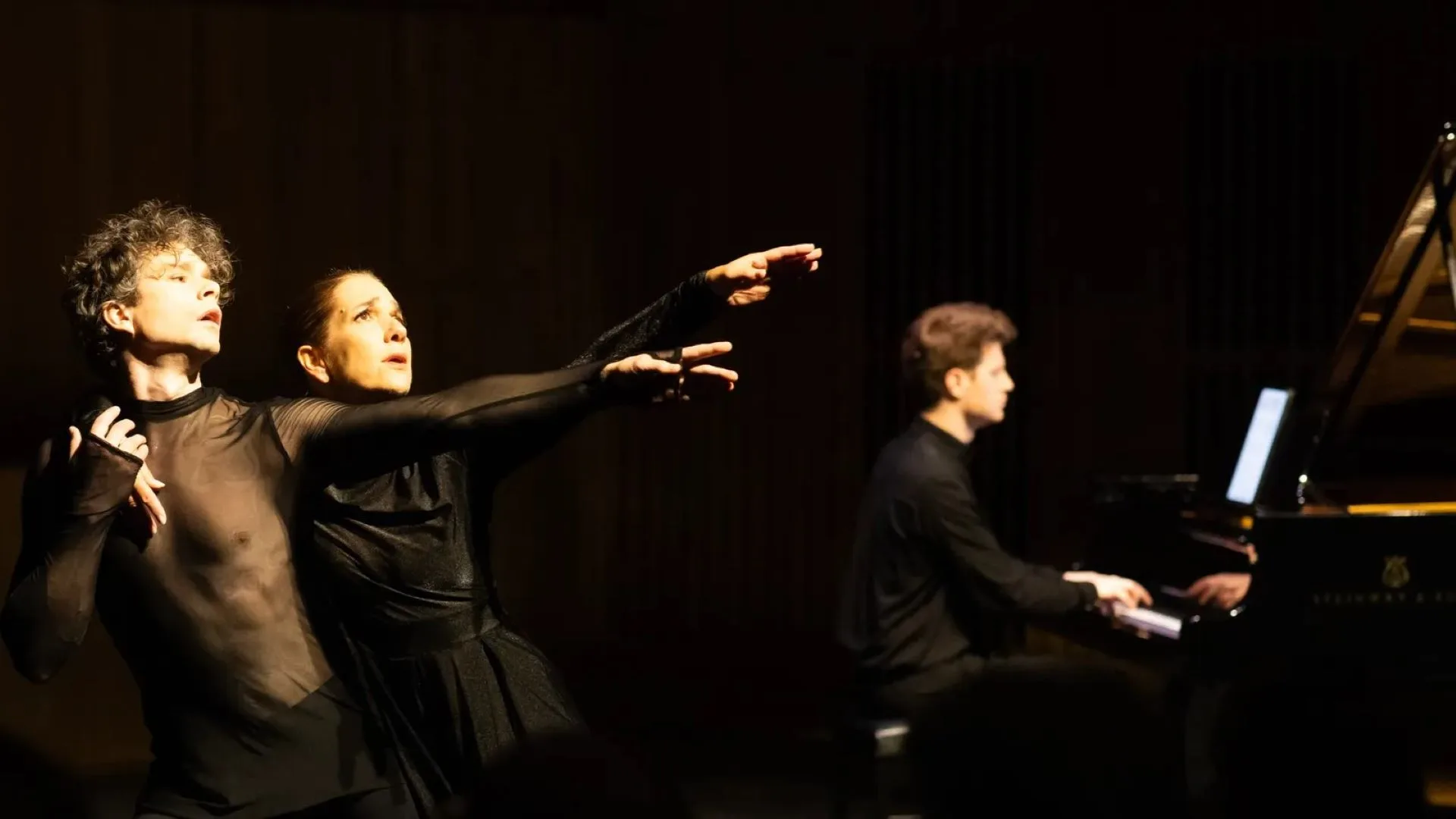
A programme of performances, installations, screenings, and talks is expected to develop rapidly, reinforcing its role as a platform for both established and experimental work.
Public realm and everyday use
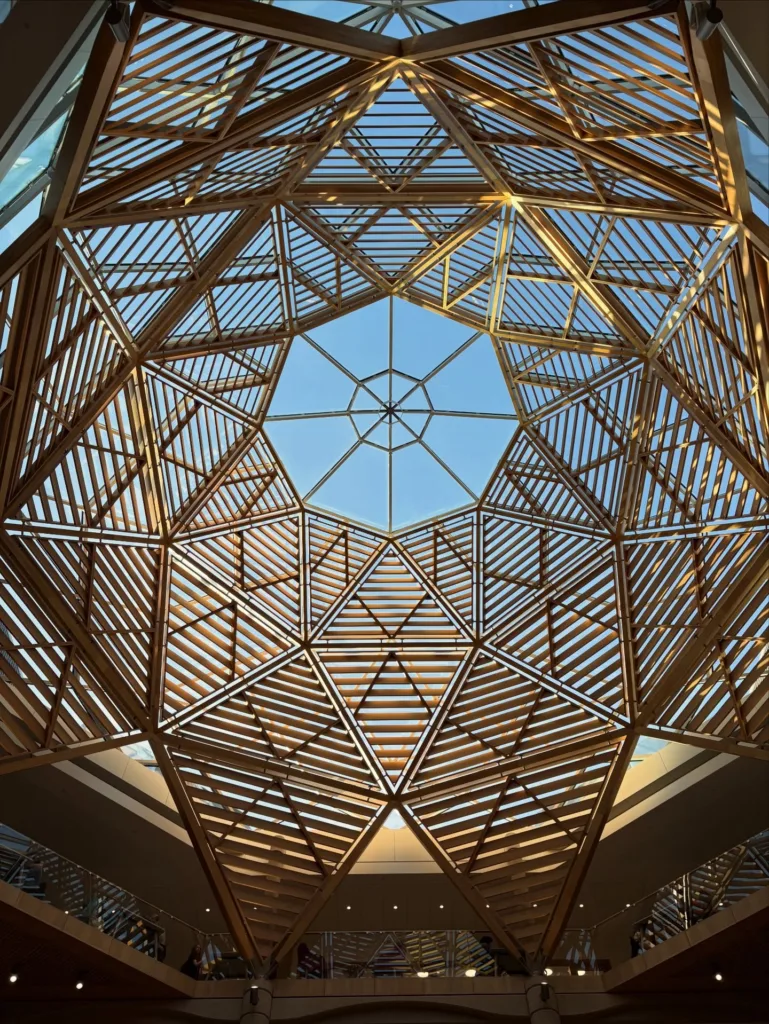
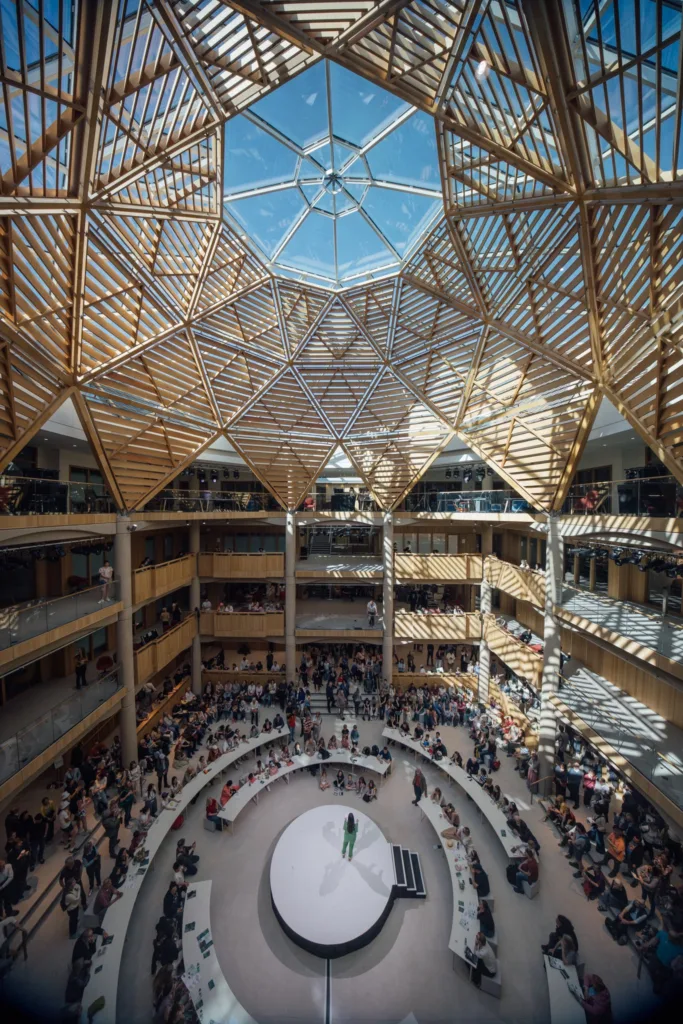
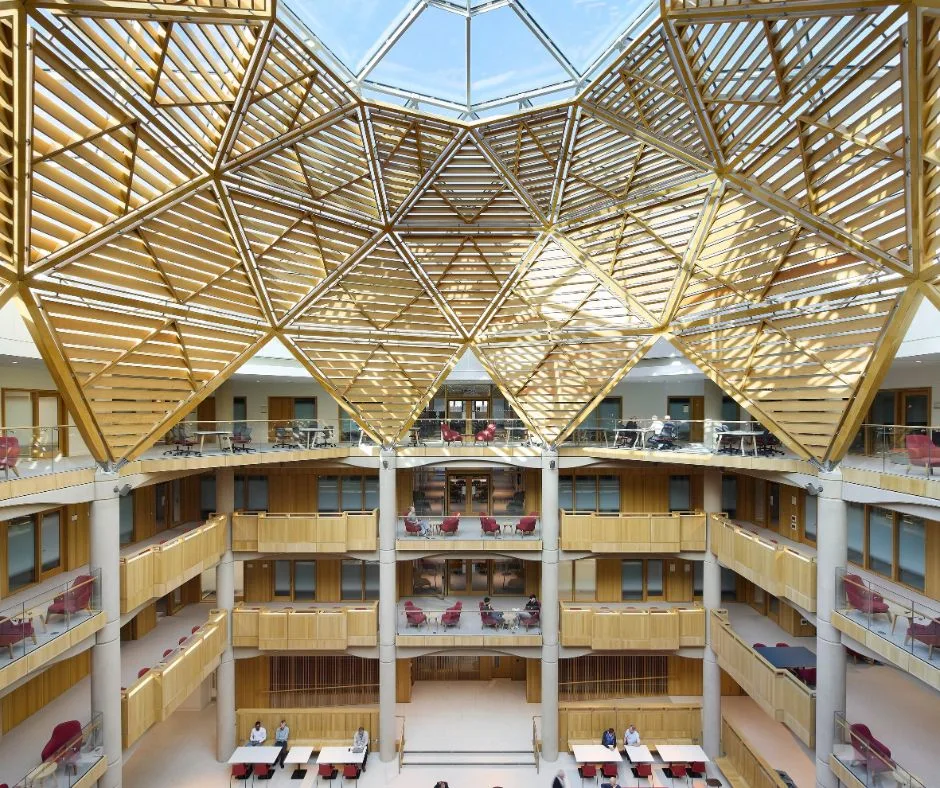
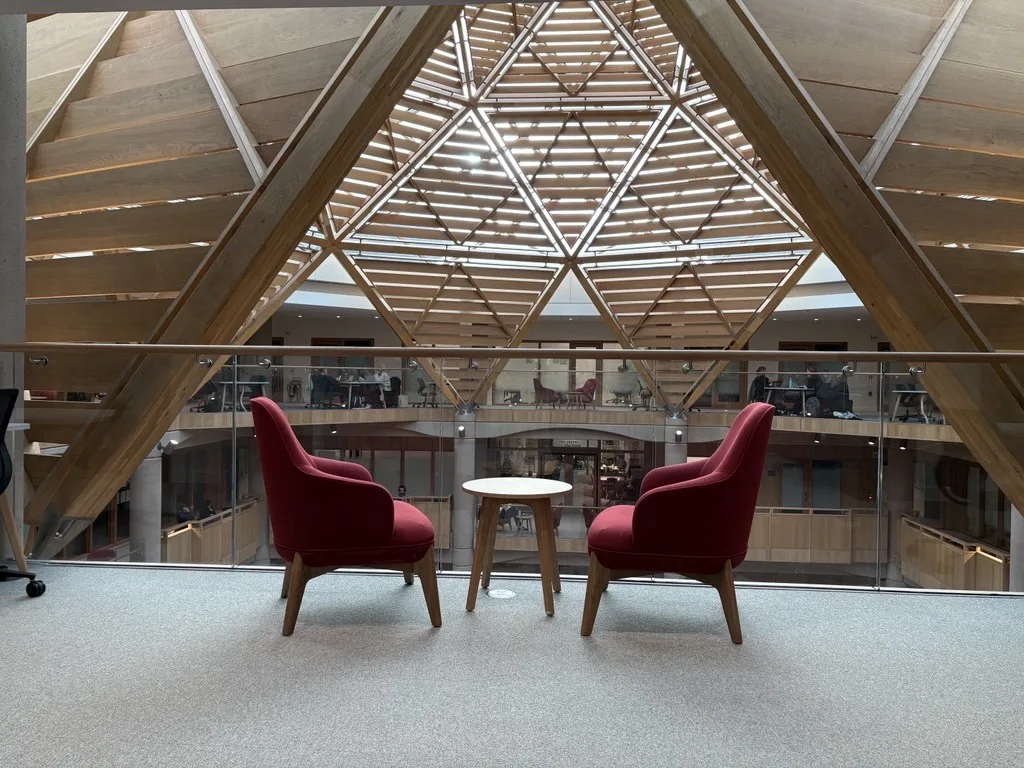
The Centre’s architecture places strong emphasis on accessibility and openness. A large central atrium acts as a social anchor, with informal seating, exhibition areas, and circulation spaces designed to encourage lingering as much as movement.
Cafés and public areas are integrated into the building’s flow, allowing visitors to enter without a ticketed event and still engage with the space. In this sense, the Schwarzman Centre functions as much as a civic interior as it does an academic building.
Collections, learning and continuity
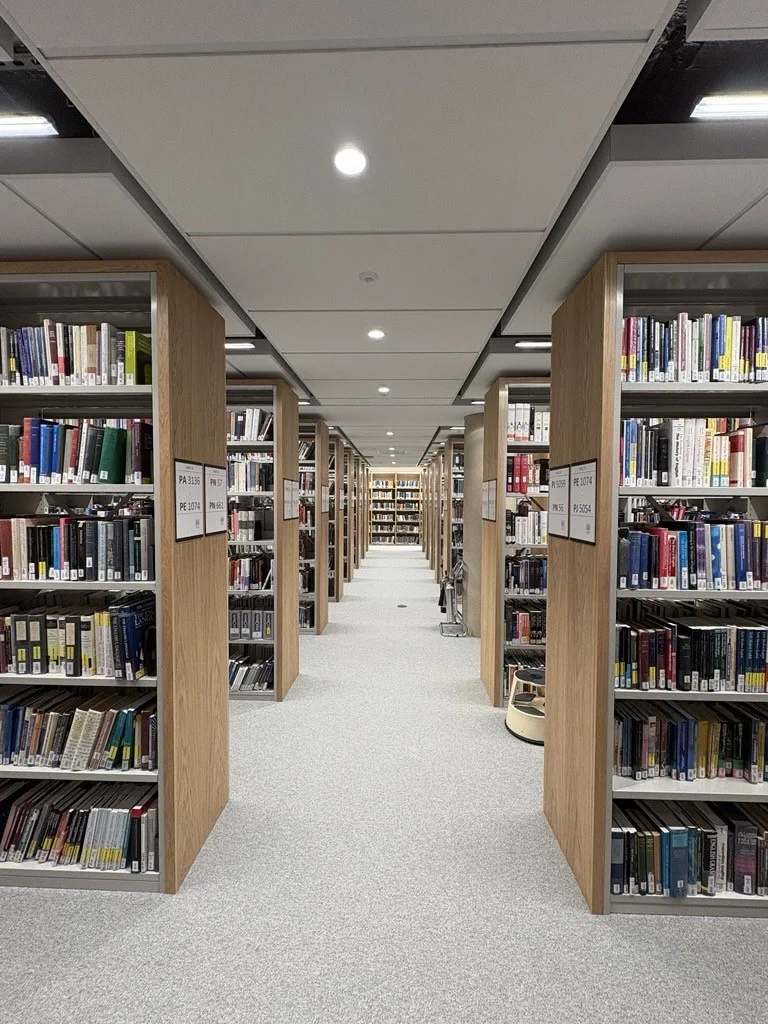
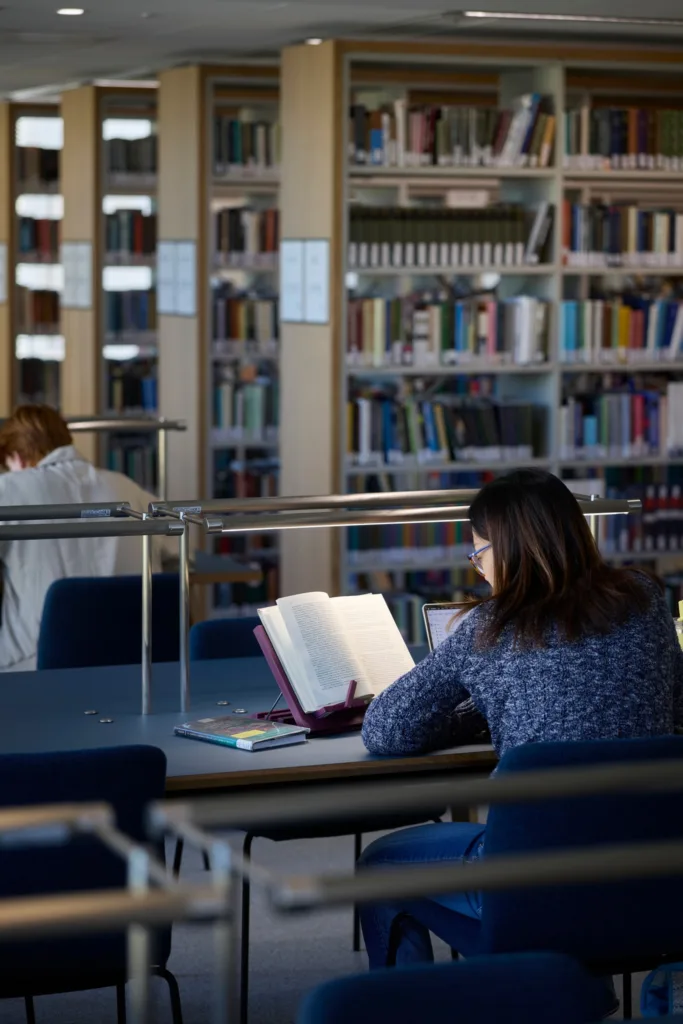
In addition to its performance and teaching spaces, the Centre integrates key cultural and academic resources, including library provision and specialist collections such as musical instruments. This blending of archive, study, and performance reflects a broader ambition: to connect historical scholarship with contemporary creative expression.
Architecture and ambition
The building’s design reflects a wider trend in university infrastructure — one that prioritises transparency, flexibility, and public engagement. It is both monumental and open, aiming to bridge the gap between the University and the city.
Its location in the Radcliffe Observatory Quarter places it within a growing cultural and academic district, strengthening links between nearby institutions and central Oxford.
Venue hire
Schwarzman Centre for the Humanities is centred around a vast, light-filled atrium and offers a versatile collection of spaces designed to accommodate everything from academic conferences and corporate events to performances, exhibitions, filming, and private celebrations. With a blend of lecture theatres, meeting rooms, social areas, and world-class performance venues, the Centre provides a fully supported setting where every detail can be tailored to the needs of each event.
Whether hosting large-scale gatherings in the Great Hall or Sohmen Concert Hall, intimate meetings in the Boardroom, or creative work in the Recital Hall or White Box exhibition space, the building is designed to flex seamlessly between formal, cultural, and corporate use. Alongside its architectural impact, the Centre offers full technical, hospitality, and event support, making it a destination purpose-built for discovery, creativity, and high-quality event delivery.
Food & drink
The Centre offers a range of food and drink spaces designed to complement its role as both a cultural destination and a place of everyday academic life. At its heart is a light-filled atrium that brings together cafés, bars, and informal social areas, creating a welcoming environment for visitors throughout the day.
Options range from relaxed café-style dining to more social settings such as the Coffee Bar, Café, and Foyer Bar, each designed to encourage informal meetings, conversation, and time spent within the building. Whether stopping for a quick coffee, meeting colleagues, or attending an event, the food and drink offer is integrated into the wider experience of the Centre, supporting its emphasis on openness, accessibility, and community.
Visit
Getting there
Schwarzman Centre for the Humanities is located in the Radcliffe Observatory Quarter, just off Woodstock Road, placing it within easy reach of central Oxford and its main transport links.
By Foot:
The Centre is around a 10–15 minute walk from Oxford city centre. The most direct routes run via St Giles and Woodstock Road, offering a straightforward and well-signposted approach through central Oxford.
By Bicycle
Cycling is a convenient option, with the Centre connected to Oxford’s wider cycle network. Cycle routes run along Woodstock Road and into the city centre, with cycle parking available in the surrounding area. Visitors are encouraged to use cycling where possible due to limited vehicle access in central Oxford.
By Bus:
The Centre is well served by frequent bus routes along Woodstock Road and nearby corridors, linking it with Oxford city centre, residential areas, and key transport hubs. Stops are within a short walking distance of the building, making bus travel one of the most practical options for visitors.
By Car:
Driving directly to the Centre is not recommended due to its central location and limited parking in the surrounding area. The Radcliffe Observatory Quarter sits within busy city centre traffic zones, and parking is restricted. Visitors arriving by car are advised to use Oxford’s park-and-ride facilities and continue their journey by bus.
By Train:
Oxford railway station is approximately a 15–20 minute walk away, or a short bus or taxi ride from the Centre. The station provides regular direct services to London Paddington, Reading, Birmingham, and other major destinations. Please visit the National Rail website for train times and more information .
Accessibility
Accessibility information
Schwarzman Centre for the Humanities has been designed with accessibility and inclusive access as a core principle, ensuring that all visitors can move through and experience the building with ease.
The building is fully step-free, with lift access to all public and academic levels. Accessible entrances are clearly signposted, and internal circulation has been planned to avoid barriers between key spaces including performance venues, exhibition areas, and social zones.
Accessible toilets are available on all main floors, and seating within performance spaces includes designated wheelchair spaces with companion seating. Hearing enhancement systems are also installed in key auditoria to support visitors with hearing loss.
Staff are trained to support accessibility needs, and visitors requiring additional assistance are encouraged to contact the venue in advance where possible to ensure appropriate arrangements can be made.
Overall, the Centre aims to provide an inclusive environment that reflects its wider mission of openness, participation, and public engagement.
Gallery
Click to enlarge