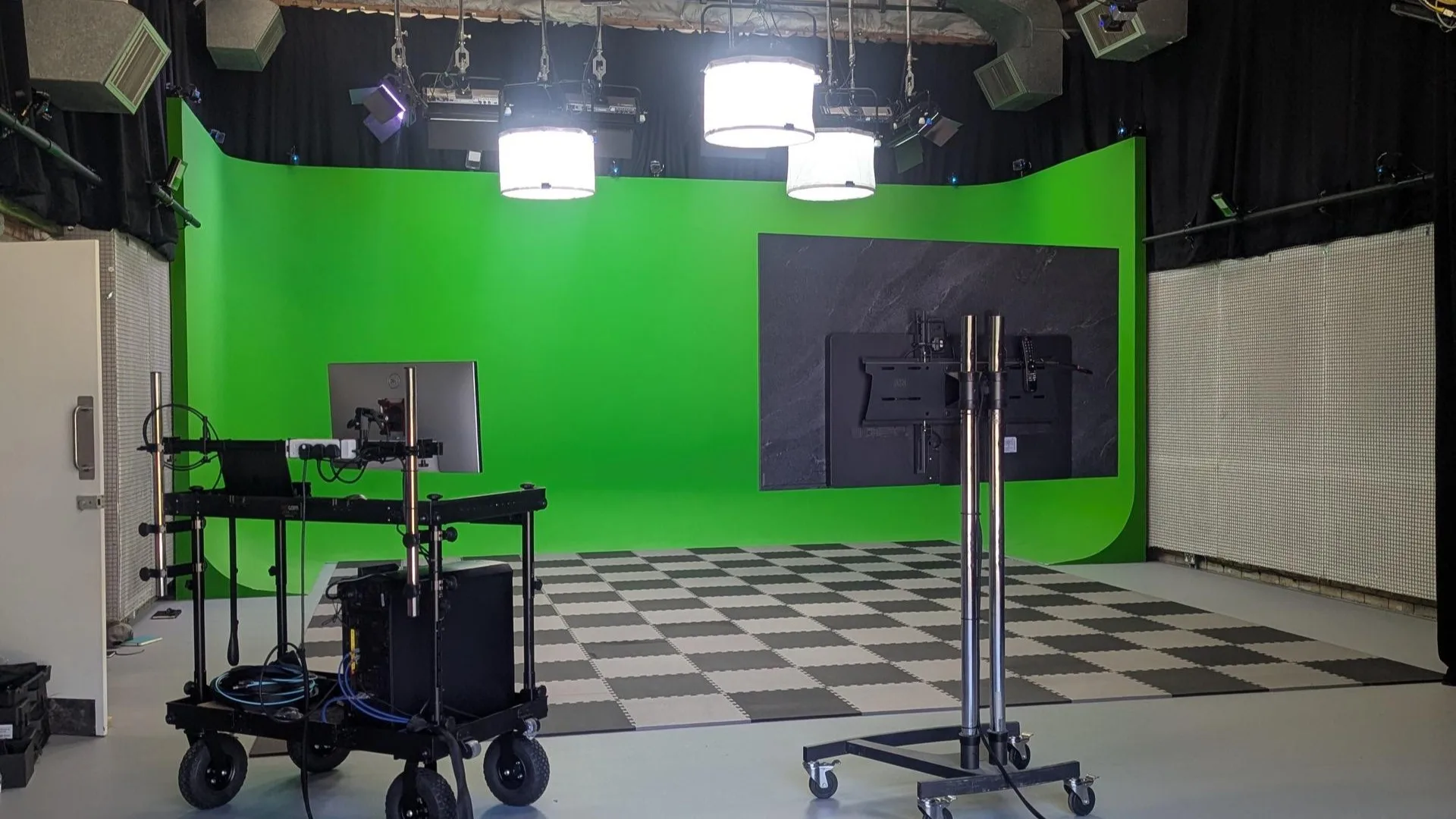
An Oxfordshire technology company at the forefront of motion capture innovation has helped deliver a major breakthrough in creative education, installing a UK-first virtual production system at Arts University Bournemouth (AUB).
Vicon, the Oxfordshire-based global leader in motion tracking technology, has deployed its pioneering hybrid tracking system at Bournemouth Film School, creating what is believed to be the first university virtual production facility in the UK to combine marker-based and markerless motion capture workflows within a single production environment.
The installation marks a significant step forward in the way students can learn and experiment with filmmaking, animation, performance and digital production, while also strengthening links between higher education and the creative industries.
With more than four decades of innovation behind it, Vicon’s technology is used across film, television, gaming, sport and research sectors worldwide. Its latest deployment at AUB enables creators to move seamlessly between traditional motion capture techniques and advanced markerless tracking, removing many of the barriers typically associated with virtual production.
Rather than requiring performers to spend extensive periods being fitted into specialist motion capture suits, the new system uses ultraviolet lighting and advanced tracking technology to monitor multiple actors and props simultaneously without the need for markers. The result is a faster, more accessible workflow that allows students and professionals to focus on creativity and iteration rather than technical setup.
Chris Hoskin, Chief Marketing Officer at Vicon, said:
“Universities play such an important role in giving students the opportunity to explore and create; so many breakthroughs are born here. We are proud to partner with AUB as it invests in technology that gives students hands-on experience with the same tools and workflows that are shaping film and digital production at the professional level.”
The virtual production studio forms the flagship element of a £1.25 million capital investment programme funded by the Office for Students (OfS).
The funding was awarded to support high-quality, skills-based education and to help institutions respond to the changing needs of employers and regional economies identified through Local Skills Improvement Plans.
According to AUB, the new facility represents a significant shift in how motion capture technology is used within higher education.
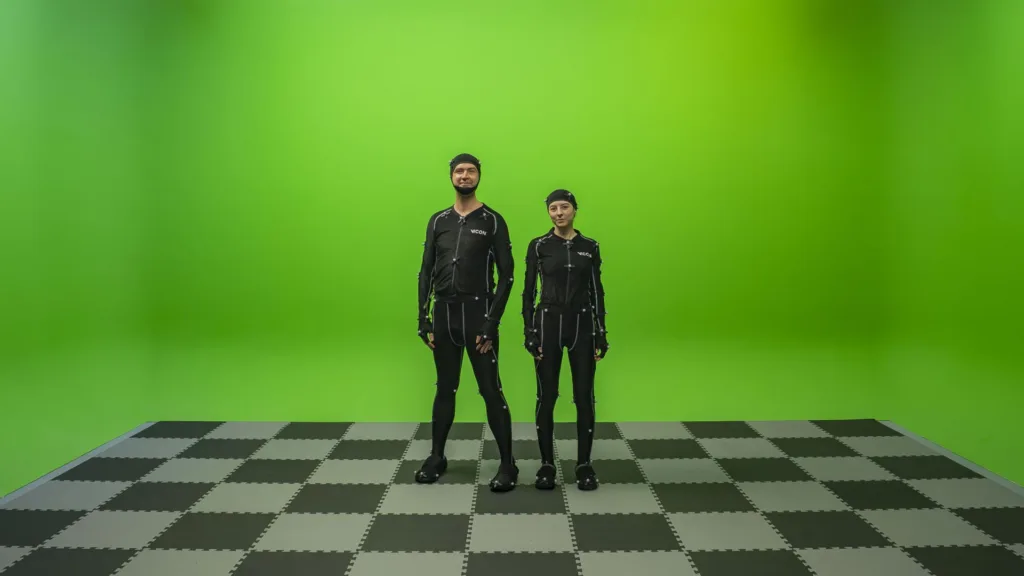
Rob Fanner, Innovation and Business Development Manager at AUB and Project Manager for the OfS-funded initiative, described the development as a transformative moment for creative education.
“Traditionally, motion capture has been tucked away inside sports science or engineering departments,” he explained. “By bringing this elite, studio-grade technology into a creative arts environment, we are enabling filmmakers, animators, dancers and actors to generate digital content in entirely new ways.”
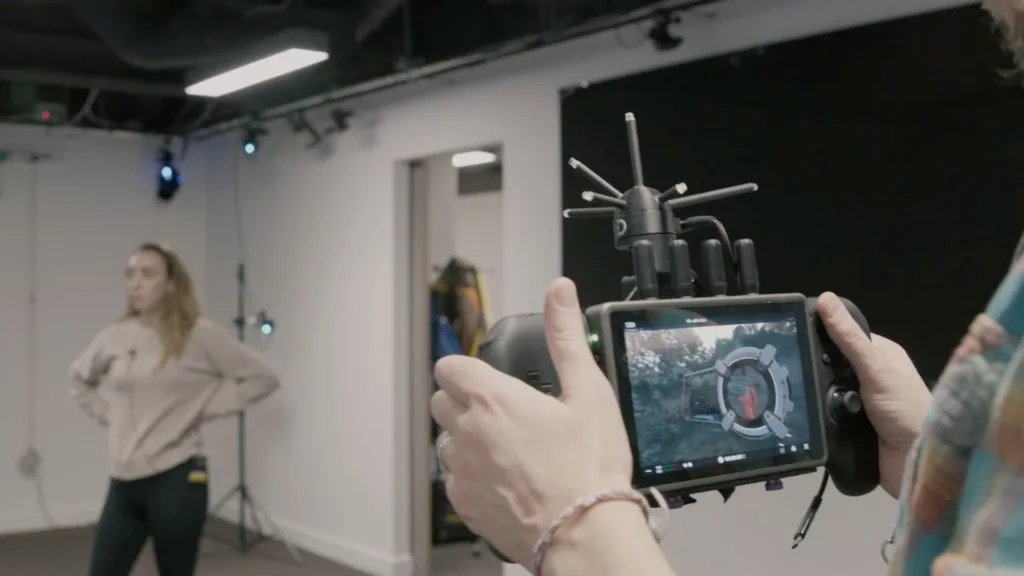
The studio also incorporates real-time facial capture through a Rokoko head-camera system, allowing performers’ expressions to be tracked with minimal intrusion. Combined with a purpose-built mirrored floor and professional production environment, the facility is expected to be fully operational for students from the start of the upcoming academic year.
Beyond its educational benefits, AUB plans to open the facility to external creative businesses, studios and production teams, creating new commercial opportunities and supporting regional economic growth.
The large-scale production floor, complete with industrial rear access, has been designed to accommodate commercial filming projects, music videos and independent productions. University leaders hope the space will become a hub where industry professionals and students can collaborate using cutting-edge technology developed in Oxfordshire.
Tim Metcalf, Director of Bournemouth Film School, said the investment would help bridge the gap between traditional filmmaking techniques and the rapidly evolving world of digital content creation.
“The OfS funding is supporting vital investment in our facilities and future technology, fundamentally enriching the student experience,” he said. “This new hybrid studio bridges traditional filmmaking with the future of digital creation, giving our students a definitive edge when they enter the industry.”
The virtual production studio is one of several major projects being delivered through the £1.25 million funding package.
Other developments include the creation of a boutique 150-seat cinema featuring 4K projection, Dolby surround sound and commercial screening capabilities, alongside a redesigned collaboration and industry hub intended to encourage cross-disciplinary working between students and professionals.
The university is also investing in new production equipment, including advanced digital cameras, dollies, tripods and training resources, supported by a new Central Media Store lending service.
The funding programme was highly competitive, with institutions required to demonstrate strong alignment with the government’s Industrial Strategy, value for money and environmental sustainability objectives. AUB secured support following recognition of its commitment to skills development and sustainable higher education.
For Vicon, the project highlights how Oxfordshire innovation continues to influence industries far beyond the county, helping shape the future of filmmaking and digital storytelling for the next generation of creative talent.