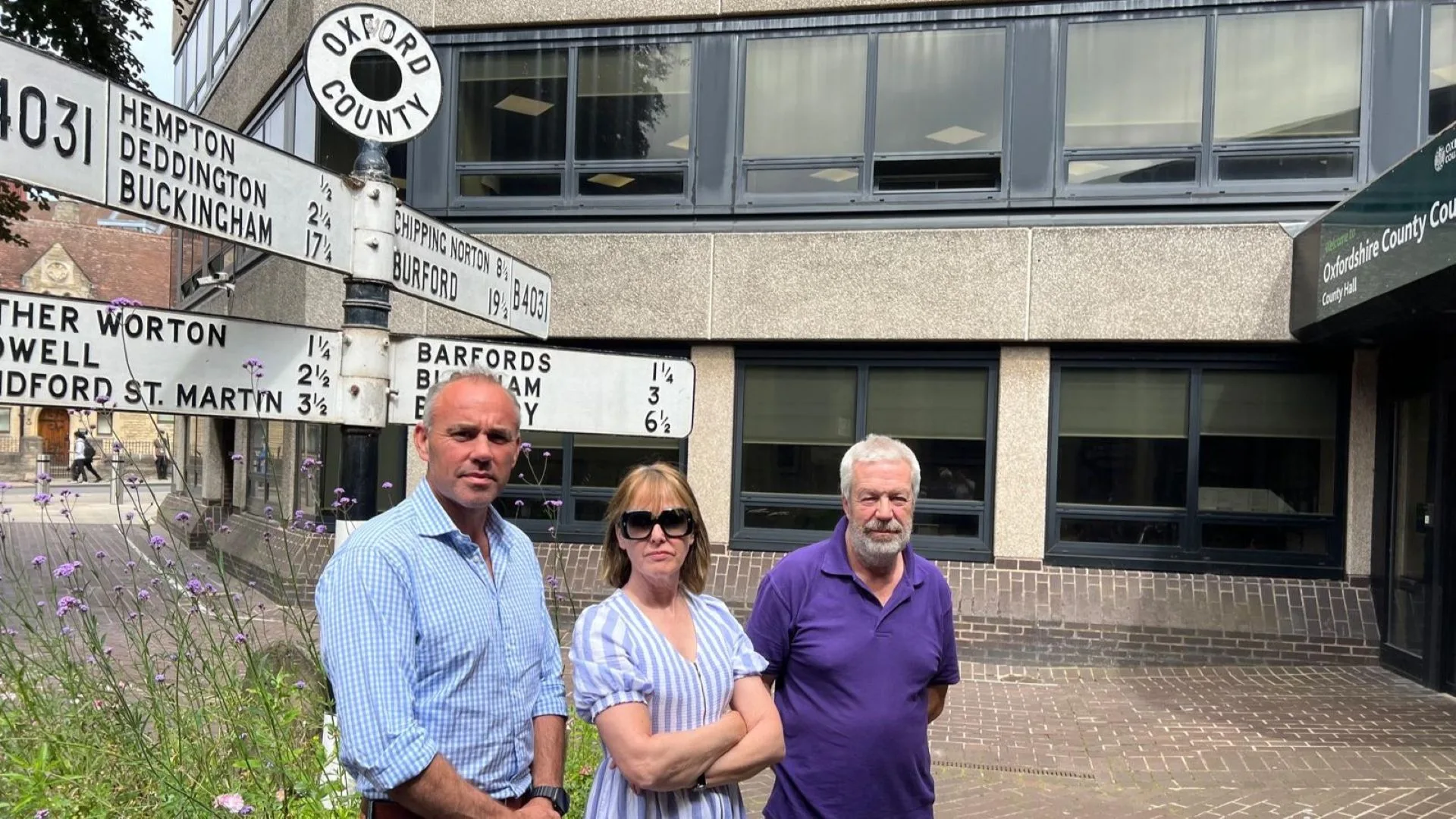
City business owners have sharply criticised Oxfordshire County Council over what they describe as the “harm” caused by its suite of anti-car traffic measures, escalating tensions ahead of the introduction of new traffic filters due in August.
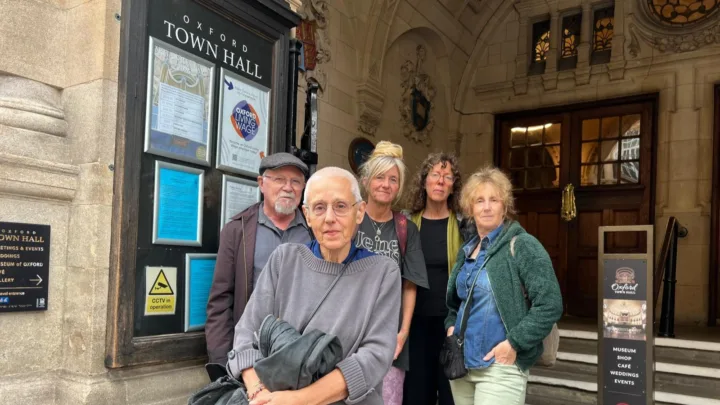
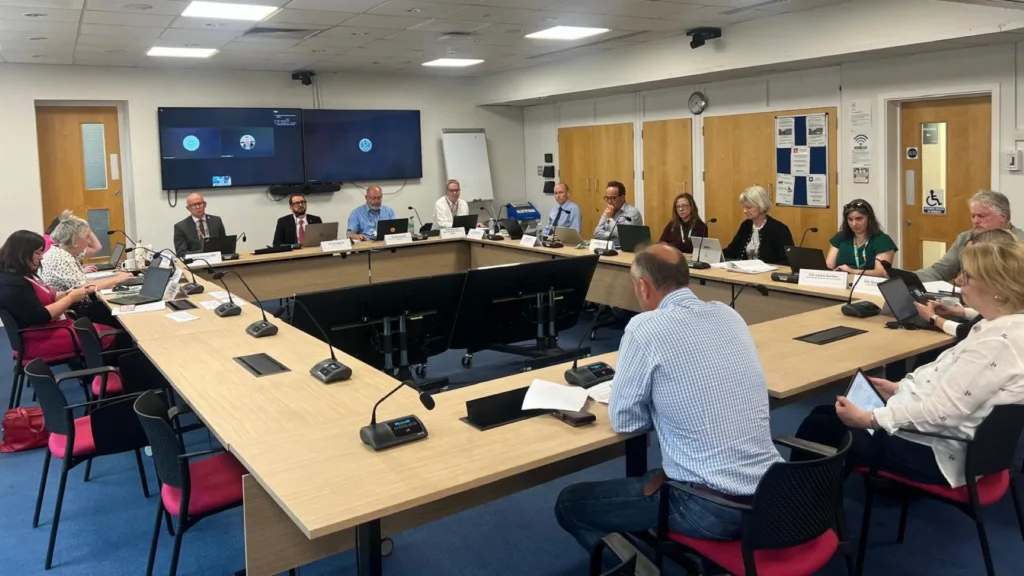
At a meeting of the council’s cabinet, members of the Oxford Business Action Group (OBAG) called for greater transparency, formal consultation, and recognition of the impact the schemes are having on trading conditions across the city centre. They said they had repeatedly raised concerns but felt their voices had not been adequately heard during the design and rollout of the measures.
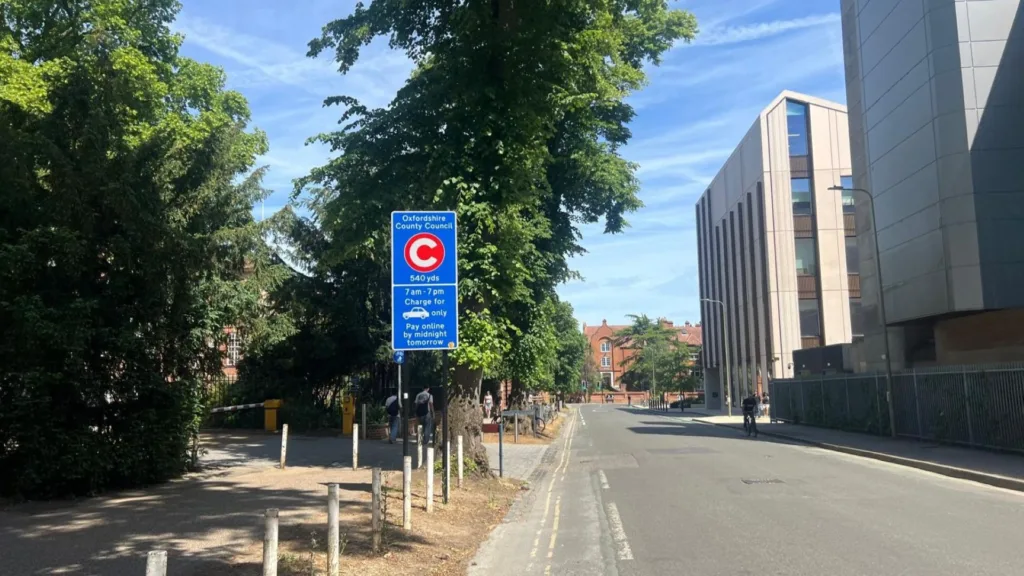
The discussion comes amid the publication of new survey findings and “consumer spend data” which the council says reflects how business performance has changed since the introduction of a temporary congestion charge. The charge is expected to be replaced by traffic filters following the reopening of Botley Road.
Read more: New data reveals shift in business performance following Oxford temporary congestion charge
Oxfordshire County Council cabinet member for transport, Gareth Epps, said the situation facing businesses was complex and influenced by multiple factors, but that data could help clarify what is driving change in the local economy.
“While it’s great that nearly 80 per cent of businesses who gave a view on their performance compared to a year ago said they are doing the same or better, it is clear that many are feeling significant pressures due to a number of local and national factors,” he said.
However, the same dataset indicated that 58 per cent of shopfront businesses reported fewer customers since the congestion charge was introduced eight months ago. It also suggested that spending in Oxford’s retail districts has fallen more sharply than in comparable cities.
For many business owners, those figures confirm what they have been reporting anecdotally for months.
Restaurateur and OBAG spokesperson Bernadette Evans said the impact was being felt widely across the city’s independent business community.
“This isn’t happening to just a handful of us but to hundreds of brilliant hard-working shopfront business owners who’ve had the rug pulled from under them,” she said.
She added that businesses had not been meaningfully consulted on the combined impact of low traffic neighbourhoods, parking changes, and the congestion charge itself, arguing that decision-makers were already aware of the likely response.
“We’ve never been asked if we’ve been impacted… and we know it’s because you know you won’t like what you hear,” she said.
Fraser Lloyd Jones, also of OBAG and owner of Barefoot Bakery, said he had not been directly contacted during consultation phases despite operating multiple sites in Oxford. He contrasted trading conditions in the city centre with his Kidlington site, which he said was performing strongly due to easier access and free parking.
He warned that one of his Cowley bakeries may face closure, citing falling footfall in the St Clements area alongside rising costs and ongoing disruption from infrastructure works, including the prolonged Botley Road closure.
“Where is the robust, independently verified evidence that demonstrates these restrictions have delivered a net economic benefit for Oxford?” he asked.
The council has previously faced criticism over data reliability after it apologised when congestion charge figures provided by an external supplier were found to be faulty.
Further analysis presented by Geoff Sutton of OBAG and Reconnecting Oxford suggests footfall in areas such as St Clements has declined in distinct phases, which he attributes to successive transport interventions reducing passing trade. He also questioned assumptions that the policy would increase active travel, arguing instead that shoppers may be diverting to other transport modes or destinations.
OBAG representatives say they have attended numerous council meetings to raise concerns but still feel there is a lack of meaningful engagement. However, they welcomed the opportunity to speak with the council’s new transport lead, Gareth Epps, following the latest meeting, even if they remain sceptical about the scope for policy change once plans are already in motion.
As Oxford prepares for the next phase of its traffic management strategy, the dispute highlights a widening divide between policy ambition and commercial reality on the ground—one that both sides now appear under increasing pressure to reconcile.
Reporting contribution by Isabella Harris, Local Democracy Reporter (LDR) for Oxfordshire, covering local politics, council meetings and planning decisions across six councils in the county.