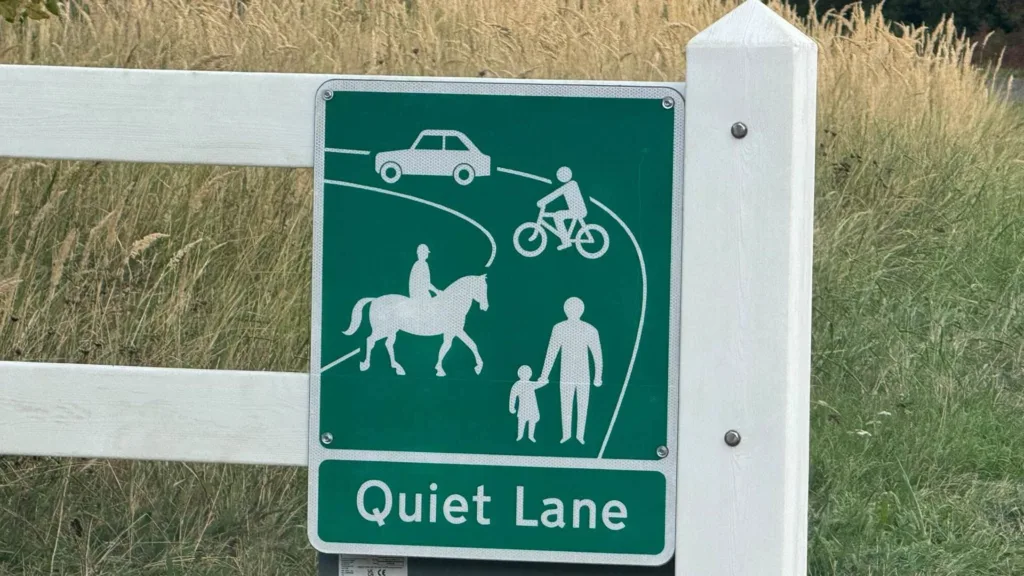
The first reactions to the new quiet lane trial on Shepherds Pit Lane have begun to emerge, with councillors and residents divided over the decision to restrict through traffic on the rural route near Barton.
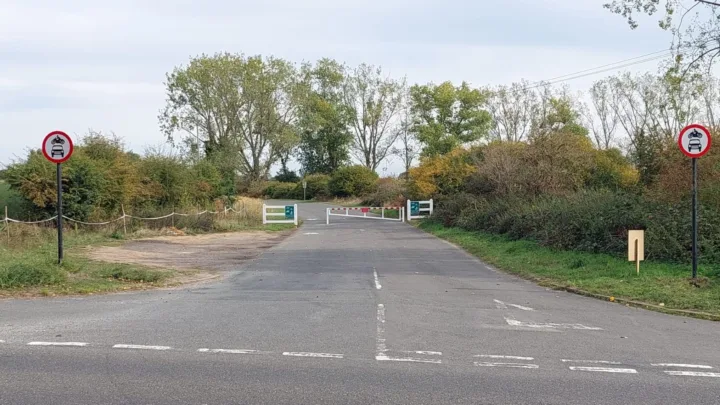
The lane is the first of 10 roads selected for Oxfordshire County Council’s new quiet-lane programme. A gate has been installed at the Bayswater Road end, close to Oxford Crematorium, preventing through traffic while leaving a 1.7-metre gap for pedestrians, cyclists and horse riders.
Access remains available to residents, farmers, landowners, businesses and emergency services, with a 20mph speed limit in place. Other motor traffic is directed towards the B4027 Wheatley Road and Bayswater Road.
Read more: Shepherds Pit Lane becomes Oxfordshire’s first ‘rural LTN’ quiet lane
The first responses have focused less on the principle of improving safety and more on the way the county council has chosen to implement the restriction.
Thomas Ashby, a Conservative county and West Oxfordshire councillor, said he did not support the quiet-lane approach, describing it as part of what he called an “anti-motorist agenda”.
He said local opinion was “far from conclusive” and that he had been contacted by residents concerned about the effect of the restriction.
“The county council doesn’t always know best,” he said, arguing that local residents, stakeholders and parish councils should be properly consulted and that decisions should take account of feedback from those directly affected.
Similar concerns have been expressed by Independent Oxford Alliance councillor David Henwood, although he distinguished between the objective of improving road safety and the method being used at Shepherds Pit Lane.
“My concern is not with the principle of making rural roads safer. It is about consistency,” he said.
Henwood pointed to quiet lanes elsewhere in the country that operate under established national guidance. He argued that the county council’s approach could create uncertainty for road users because it goes beyond the measures traditionally associated with quiet lanes.
“There are clearly residents who support making Shepherds Pit Lane safer for people walking, cycling and riding horses, and that should be acknowledged,” he said.
“But there are also residents who have raised concerns, and those concerns need to be taken seriously rather than simply being treated as an obstacle to the scheme.”
The debate has also surfaced in local community discussions, with some residents questioning whether a physical gate is necessary.
Ali Youngster described the measure as the county council “overstepping their authority” and compared it with a low-traffic neighbourhood. They also argued that national guidance would have favoured signage and a reduced speed limit rather than a physical restriction.
Others have welcomed the change.
Aaron Marsh, who has walked and cycled between Stanton St John and Headington, said he had experienced the route from the perspective of a vulnerable road user and supported the closure.
“I’ve often walked or cycled from Stanton St John to Headington and been very aware of how dangerous it is for vulnerable road users,” he said.
Marsh also argued that the lane was not particularly useful as a through route, because travelling via Bayswater Road and the B4027 was quicker.
Oxfordshire county council says the scheme followed concerns about road safety on the route between Stanton St John and Oxford and was shaped by local engagement undertaken during 2025 and 2026.
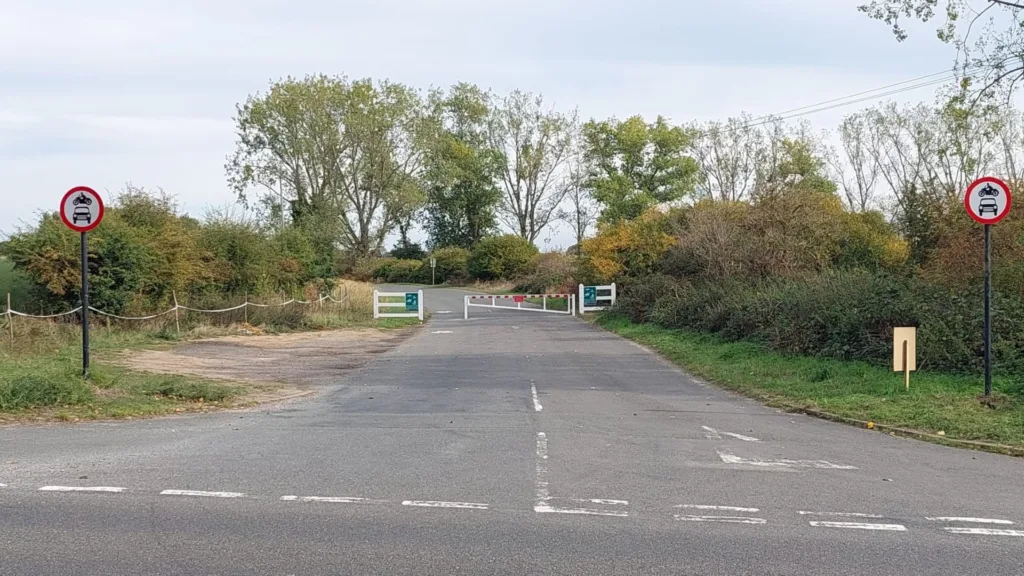
The council has acknowledged that the physical filtering arrangement goes beyond government guidance for quiet lanes. Its position is that the restriction is necessary because evidence from Department for Transport evaluations and research by the Transport Research Laboratory indicates that sign-only quiet lanes generally produce little or no reduction in traffic volumes or vehicle speeds.
A council spokesperson said the measure did not prevent people from using Shepherds Pit Lane and that the trial had been introduced lawfully through an Experimental Traffic Regulation Order, under the county council’s existing powers as the local highway authority.
Gareth Epps, the county council’s transport portfolio holder, said quiet lanes formed part of the authority’s wider commitment to road safety and sustainable travel.
“By removing through traffic, quiet lanes can reduce vehicle numbers and speeds, lower the risk and severity of collisions, and make minor roads feel calmer and safer for people who walk, cycle, wheel and ride horses,” he said.
The Shepherds Pit Lane scheme will now be subject to a consultation lasting at least six months, while the experimental arrangement is expected to run for at least a year.
The council will then consider whether the restriction should become permanent, taking account of public feedback alongside monitoring data collected during the trial.
The wider programme could have implications beyond Shepherds Pit Lane. Nine further quiet lanes were approved by the county cabinet in May, although their locations have not yet been formally announced. Proposed locations have included roads in Blackthorn Village, Fawler, Towersey, Goring, Kennington and Aston Rowant.
For now, the discussion around Shepherds Pit Lane provides the first indication of how the county’s new approach is being received — with support for improved safety accompanied by questions over consultation, consistency and the use of physical restrictions on rural roads.
Reporting contribution by Isabella Harris, Local Democracy Reporter (LDR) for Oxfordshire, covering local politics, council meetings and planning decisions across six councils in the county.