34: The critical raw materials shaping our future
17 June 2026 to 13 April 2027
About Breaking Ground
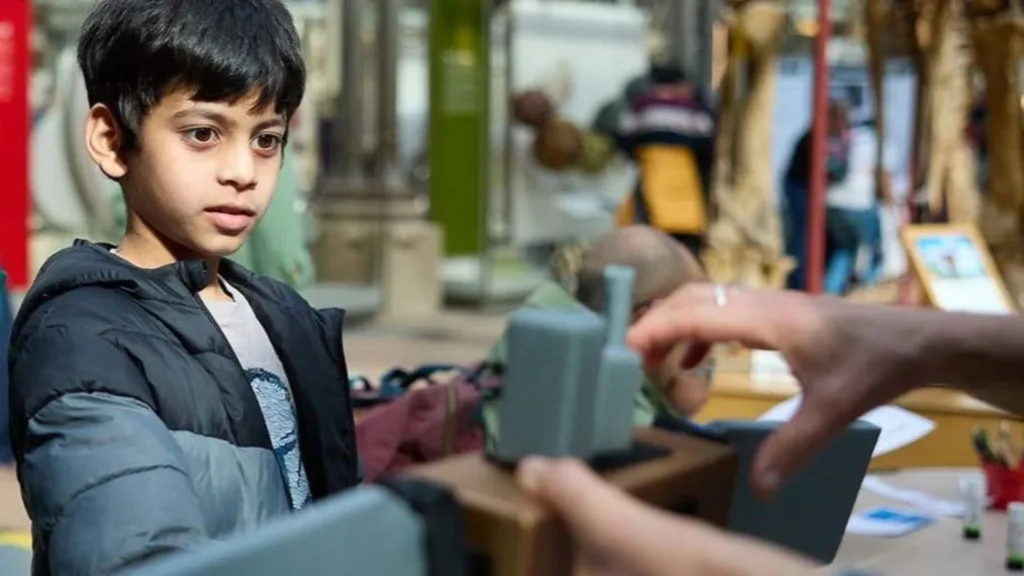
34: The Critical Raw Materials Shaping Our Future is a major new exhibition at Oxford University Museum of Natural History explores the hidden materials that power modern life — from smartphones and batteries to medical equipment and jet engines.
The exhibition examines the 34 raw materials considered essential to the UK’s future, revealing the global supply chains, ethical challenges and scientific innovations behind the minerals that underpin everyday technology.
Developed in collaboration with researchers from the University of Oxford’s Oxford EARTH Programme and departments across the physical, life and social sciences, the exhibition explores how increasing demand for green energy and digital technology is transforming the global race for critical materials.
Visitors can discover why substances such as lithium, cobalt and rare earth elements are so important to modern society, why supply chains are becoming increasingly fragile, and how scientists and industry are searching for more sustainable and ethical ways to source, use and recycle these materials.
Through interactive displays, scientific research, historic objects and contemporary technologies, the exhibition examines the future of extraction, sustainability and resource security, while highlighting the environmental and geopolitical challenges linked to critical raw materials.
Designed for audiences of all ages, the exhibition is accompanied by a programme of talks, workshops, tours and family activities exploring the science, ethics and global impact of the materials shaping our future.
What are critical raw materials?
Critical raw materials are those essential to key technologies but their supply may be limited, unsustainable or unethical. Critical raw materials tend to have unique chemical properties which make them difficult to replace in technology. The UK government includes 34 raw materials on its designated critical list, but lists vary from country to country.
- aluminium
- antimony
- bismuth
- borates
- cobalt
- gallium
- germanium
- hafnium
- helium
- indium
- iridium
- iron
- lithium
- magnesite
- magnesium
- manganese
- natural graphite
- nickel
- niobium
- phosphorus
- platinum
- rare earth elements (REEs)
- rhenium
- rhodium
- ruthenium
- silicon
- sodium
- tantalum
- tellurium
- tin
- titanium
- tungsten
- vanadium
- zinc
Tickets
Please see important booking information below.
Booking information
Prices:
- Entry to the Museum is FREE and not ticketed.
- No booking required.
- Booking is required for organisations/groups of more than ten people visiting on the same day.
Opening hours:
- Monday to Sunday from 10.00am to 5.00pm
- Last entry at 4.45pm
- Closed on 24, 25, & 26 December
Accessibility:
Please contact the friendly team at the museum by telephone (01865 272 950) or email (foh@oum.ox.ac.uk)
Gallery
Click images to expand
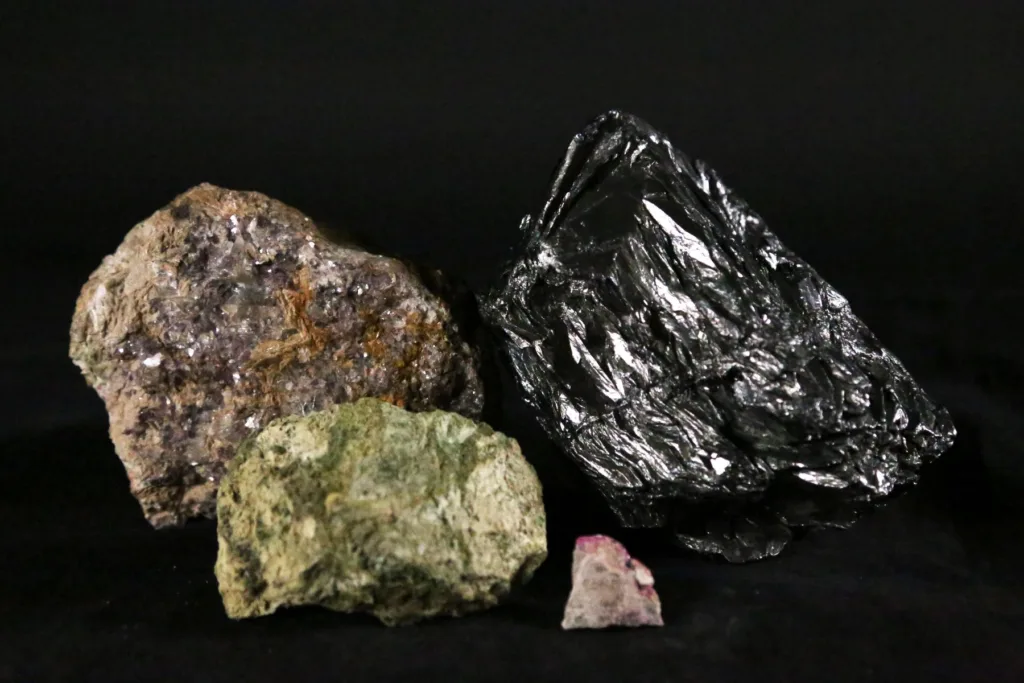
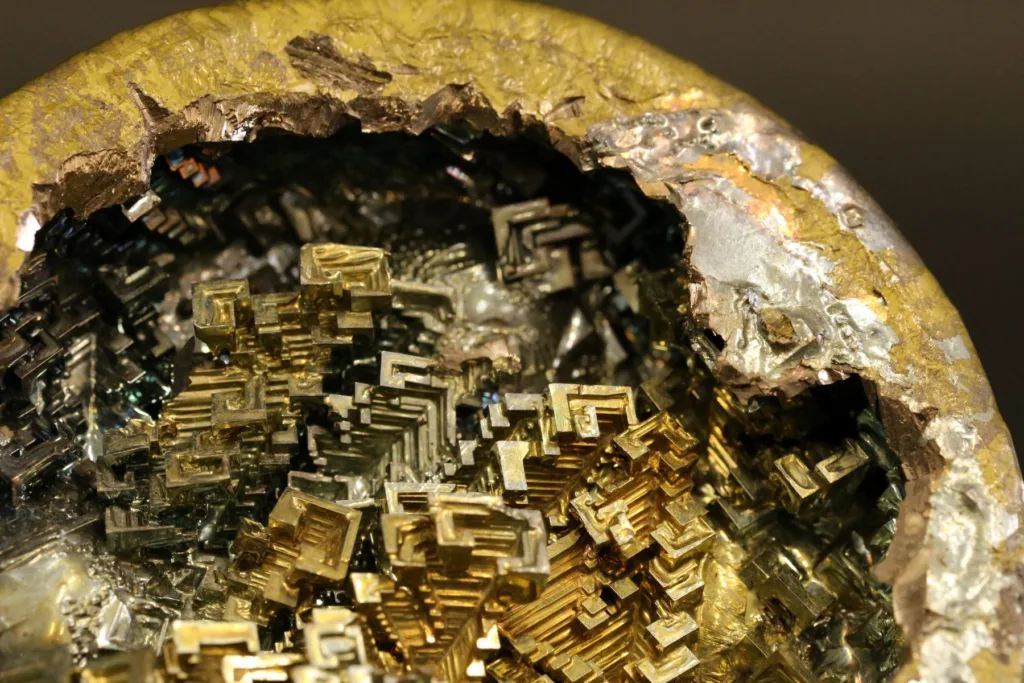
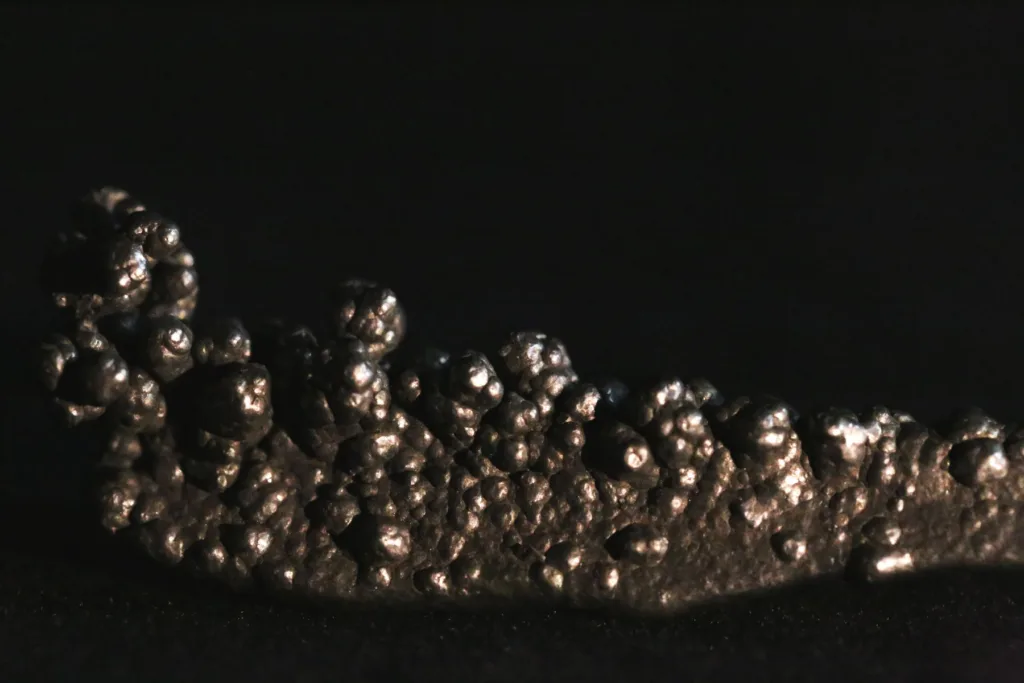
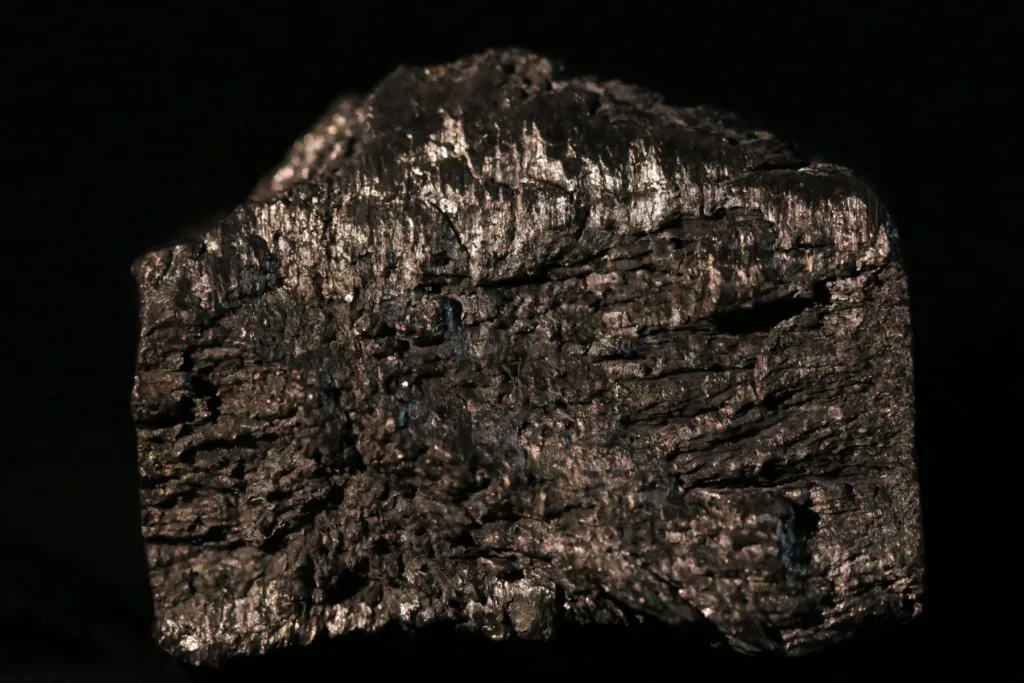
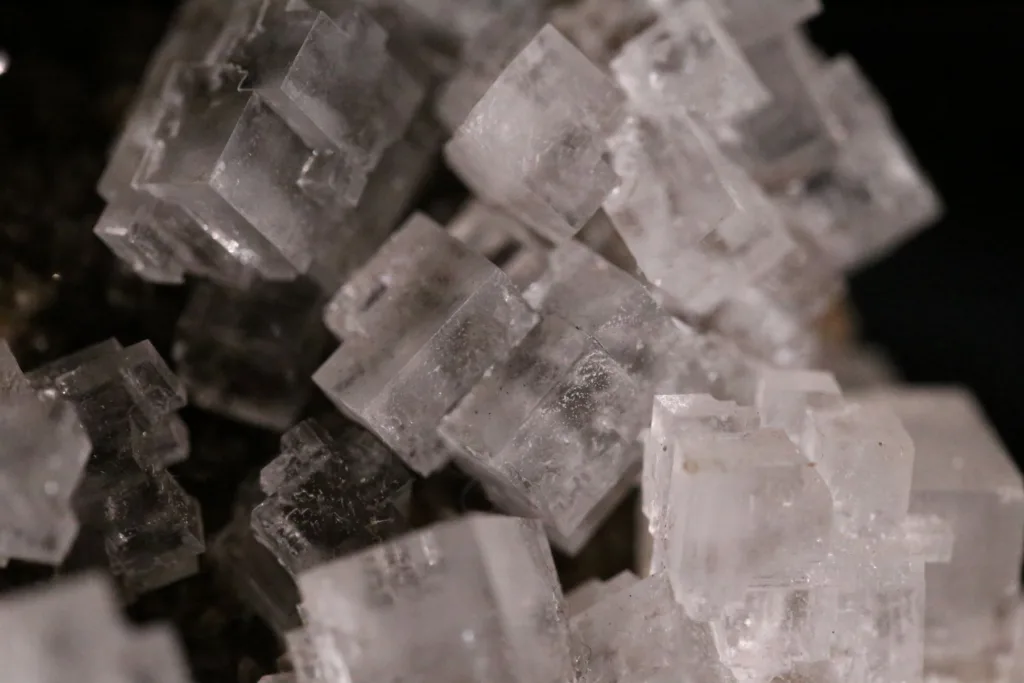
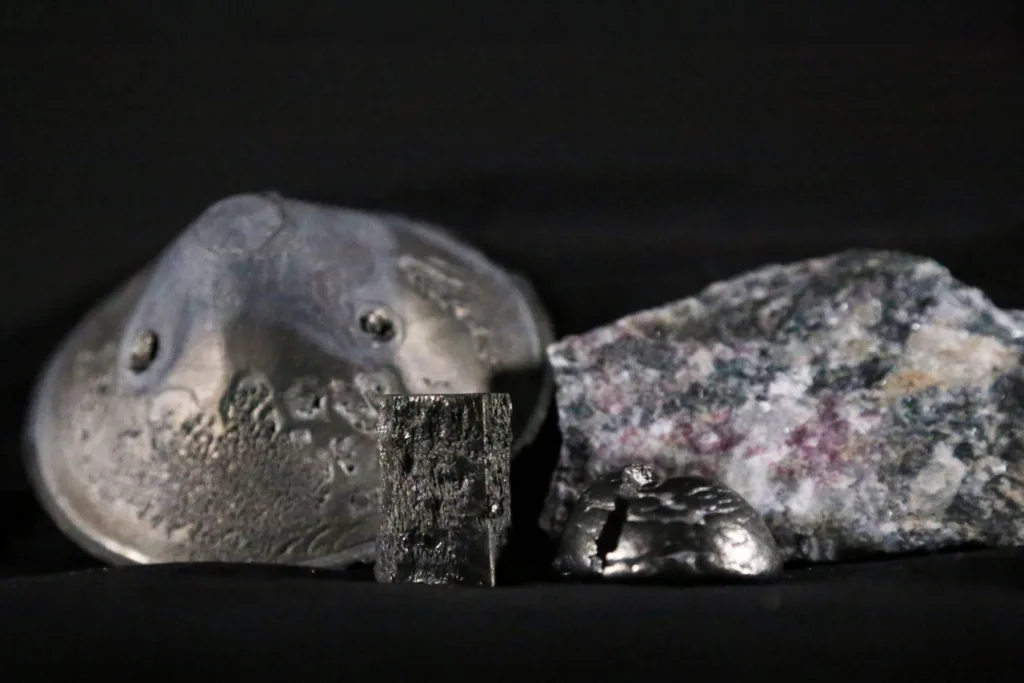
Image credit: Sarah Bell