Local businesses have urged Oxfordshire County Council to pause major transport plans ahead of the authority’s planned abolition, warning that upcoming changes could create further uncertainty for high streets and employers.
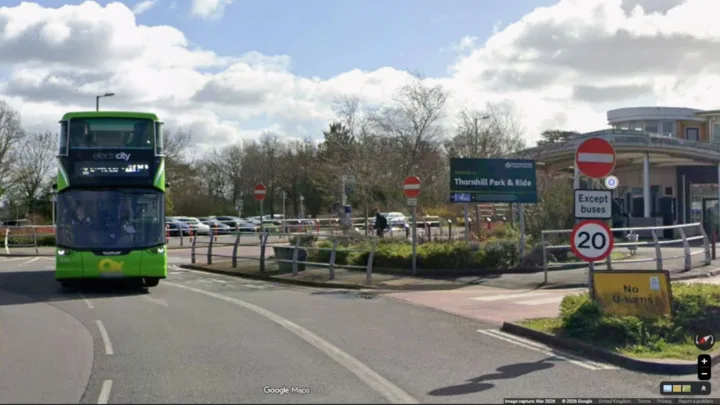
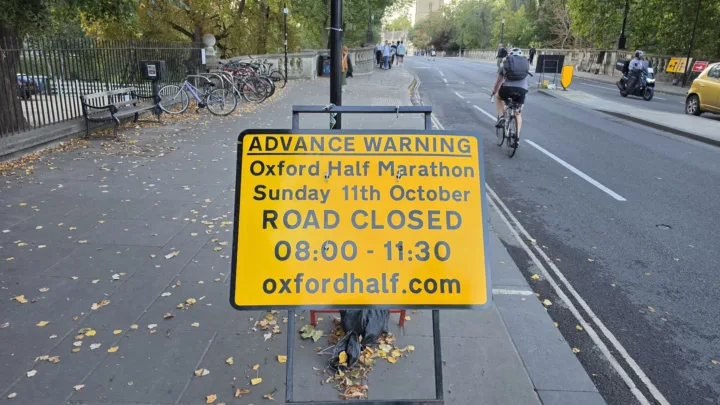
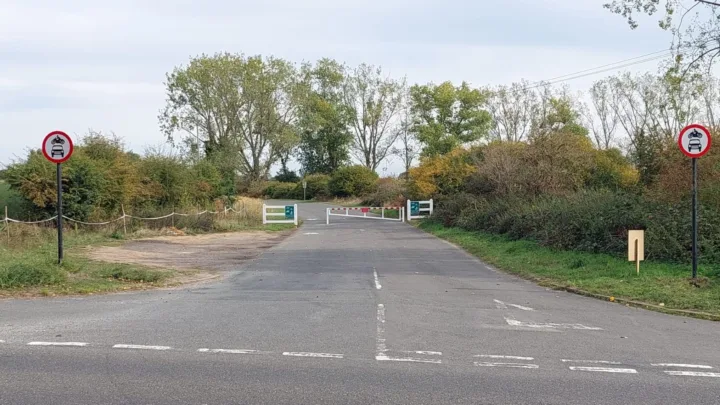
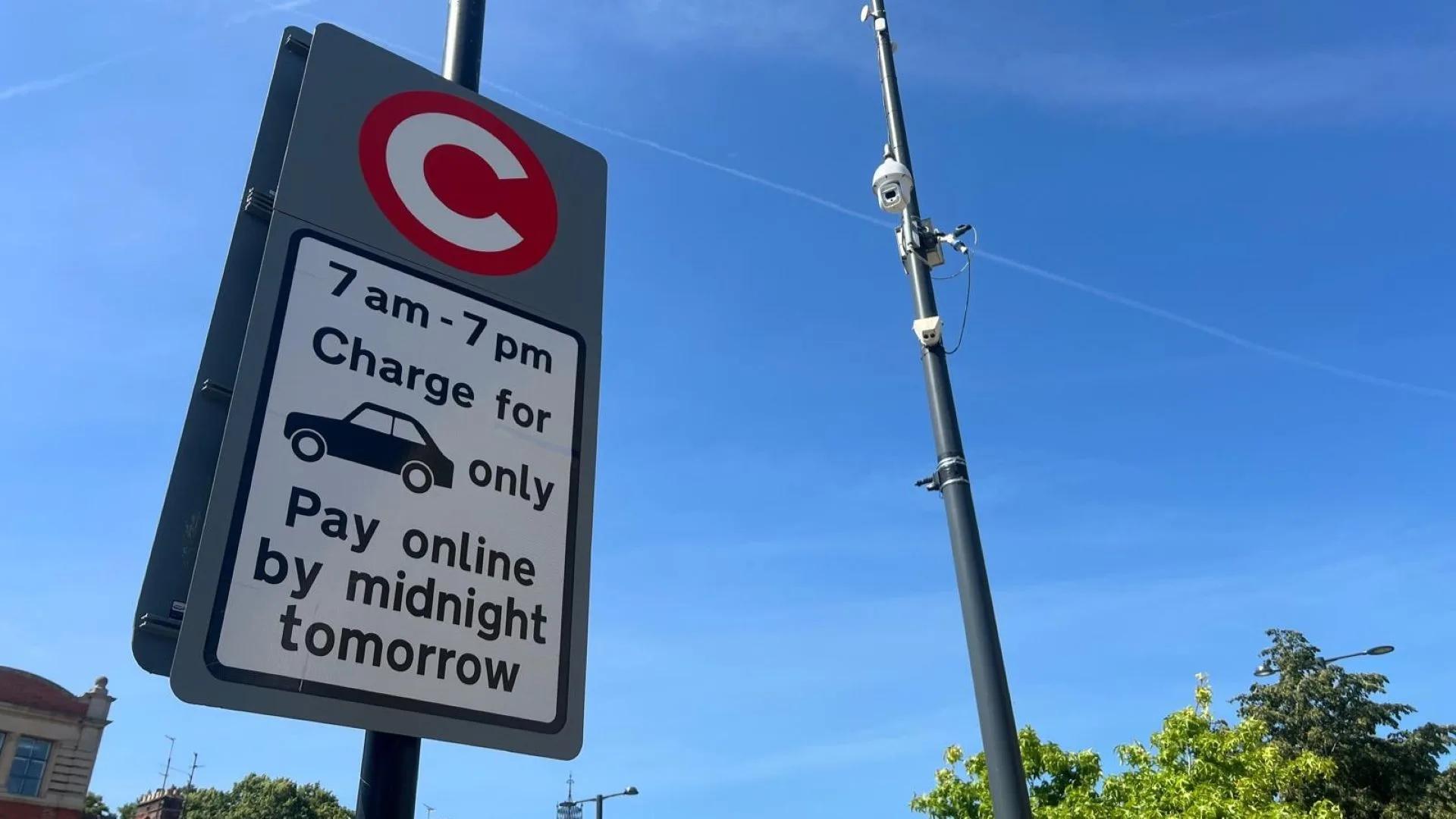
The Oxford Business Action Group (OBAG) has called on the council to halt work on the rollout of traffic filters, the expansion of the zero emissions zone and proposals for a workplace parking levy before new local authorities take responsibility in 2028.
Read more: End date confirmed for Oxford congestion charge ahead of traffic filters introduction
The calls come after confirmation that Oxfordshire’s current council structure will be replaced by new unitary authorities, including Greater Oxford, Northern Oxfordshire and Ridgeway councils.
Under the reforms, transport responsibilities currently held by Oxfordshire County Council will transfer to the new authorities, although future arrangements could also be influenced by wider Thames Valley devolution discussions.
Read more: Local government devolution proposals: What is it and what will it mean for Oxfordshire?
Businesses raise concerns over impact on city centre trade
Bernadette Evans, restaurateur and spokesperson for OBAG, said the county council should focus on ensuring a smooth transition rather than introducing further measures before the reorganisation takes place.
She said businesses were facing “many unknowns” and called for councils to use the transition period as an opportunity to improve relationships with local employers.
OBAG is also calling for an independent representative to champion the interests of small and medium-sized businesses with premises in Oxford.
Ms Evans said some regional customers now felt discouraged from visiting Oxford because of concerns about restrictions and possible fines.
She added that while the city remained accessible, there was a “real fear factor” among some drivers that a wrong turn could lead to penalties.
Residents say transport changes are affecting travel choices
Concerns have also been raised by residents outside Oxford.
Donna Foster, from Wheatley, said she had stopped travelling into Oxford because of concerns about navigating restrictions and finding parking.
Read more: Villagers fear ‘power grab’ as Greater Oxford council plan sparks green belt concerns
She said she now travelled to alternative shopping destinations, including Milton Keynes and Reading, instead.
Supporters argue measures are needed to tackle congestion
The proposals remain supported by campaign groups who argue that transport restrictions are necessary to address congestion, improve air quality and encourage alternatives to private car use.
Robin Tucker from the Coalition for Healthy Streets and Active Travel (CoHSAT) said long-term transport planning, including improvements to rail links, cycling routes and major infrastructure projects, would require effective coordination between future authorities.
He said uncertainty around governance arrangements could make countywide transport planning more difficult until new structures are established.
Future transport policy could become an election issue
Oxford City Council leader Susan Brown said future transport policies would need to be considered as political parties prepare manifestos for elections to the new authorities.
She said measures would need to address congestion while also recognising the importance of housing development, public transport and bus prioritisation.
Previously, Oxfordshire County Council’s transport lead Gareth Epps defended the approach, saying the city remained open and accessible.
He said most people did not travel into Oxford city centre by car and confirmed that the council would continue to engage with residents and businesses as transport plans developed.
The debate is expected to continue as Oxfordshire prepares for one of the biggest changes to local government structures in decades, with decisions made in the coming months likely to shape transport policy for the new authorities.
Reporting contribution by Isabella Harris, Local Democracy Reporter (LDR) for Oxfordshire, covering local politics, council meetings and planning decisions across six councils in the county.