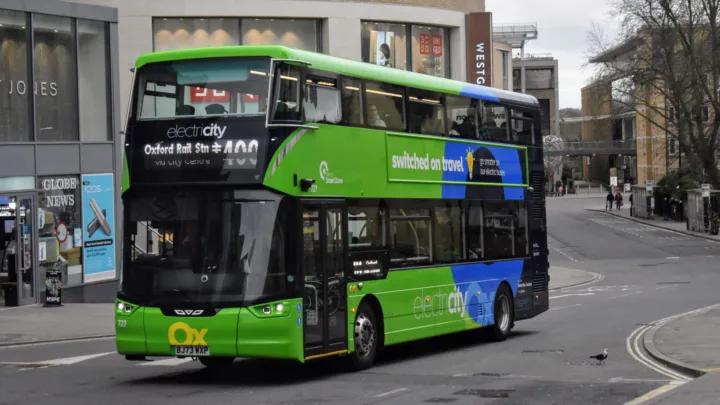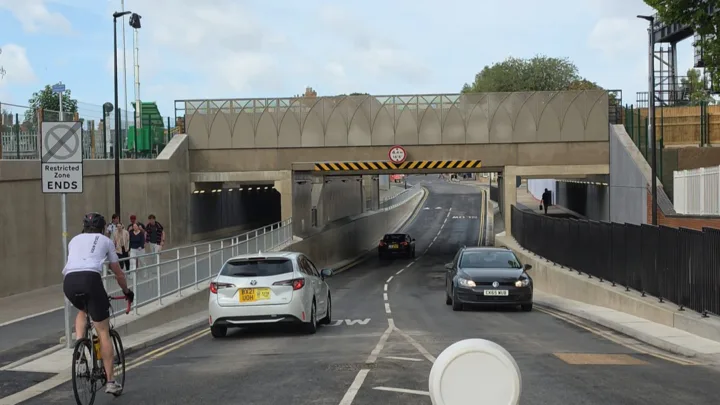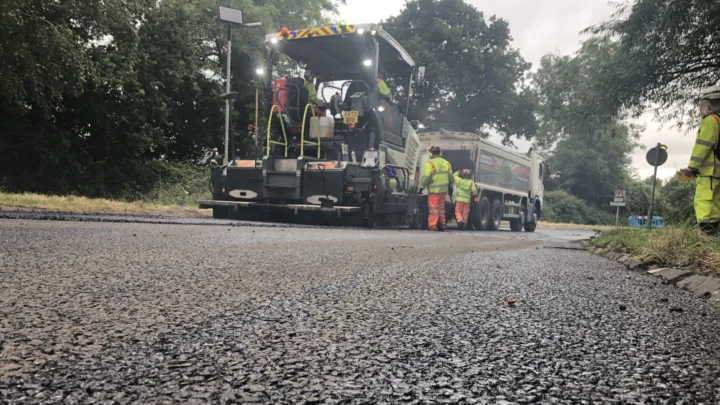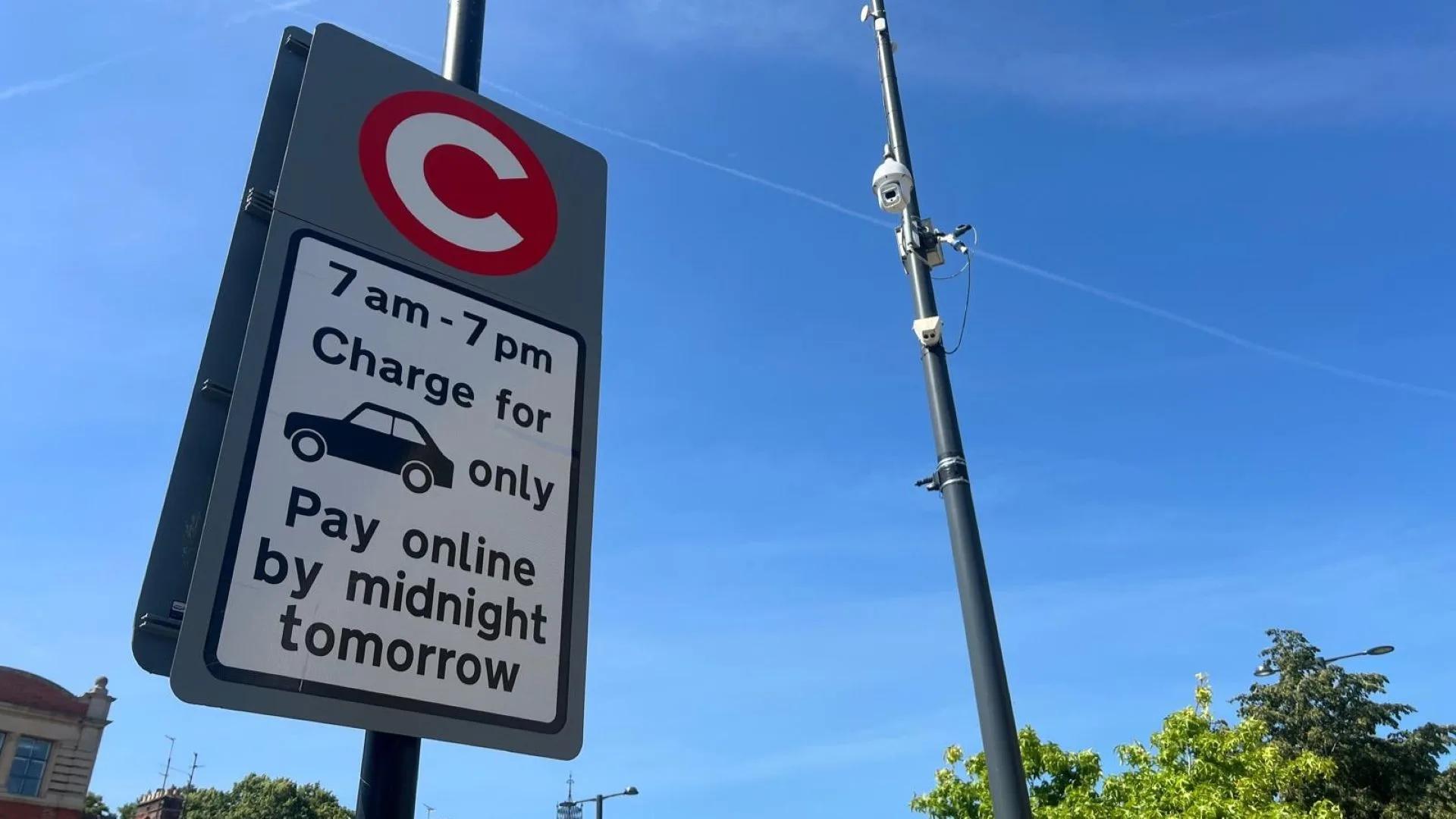
The end date for the £5-a-day congestion charge in Oxford has been confirmed, with the scheme set to be replaced by a new “traffic filters” system from 14 September, following the planned reopening of Botley Road at the end of August.
Under the new arrangements, drivers passing designated automatic number plate recognition (ANPR) cameras during restricted hours without a valid permit will face a £70 penalty. The change marks a significant shift in Oxford’s approach to managing city-centre traffic, moving from a daily charging model to a permit-based filter system.
A six-month public consultation will open on the same day the new system goes live, with the wider trial period expected to run for up to 18 months. During the initial phase, motorists breaching the filters will receive warning notices rather than immediate fines.
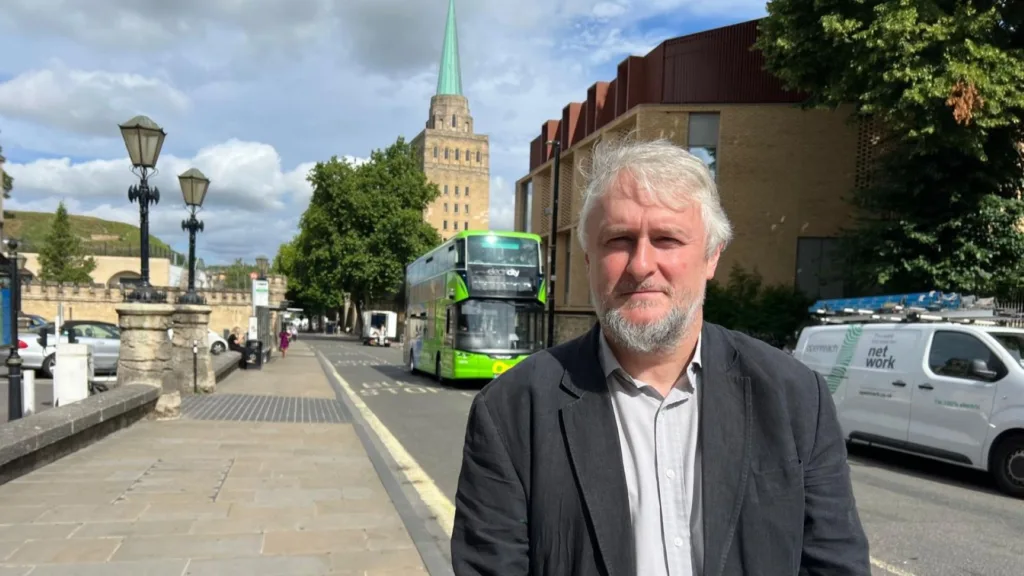
Gareth Epps, Cabinet Member for Transport at Oxfordshire County Council said the transition is intended to improve movement across the city while reducing congestion.
He said he hoped the changes would mean “people will be able to move about as freely, if not freer, than they are now with buses moving rather than being stuck in traffic jams, people being able to get around walking and cycling”.
He added that the aim is for “the city [to be] open for business and every point in the city [to be] freely accessible without passing through a charge point”.
Existing Oxfordshire residents’ permits will carry over into the new system, and those who have not yet applied are being urged to do so online. A grace period will also apply, reflecting concerns raised about system accuracy and enforcement.
The congestion charge scheme has seen significant administrative issues since its introduction, with around 14,000 fines cancelled out of a total 205,000 issued. These included penalties issued in error to emergency service vehicles, motorists in prison, and even deceased drivers, as well as thousands linked to permit processing mistakes.
Mr Epps acknowledged the need for greater reliability in the replacement system, stating: “We need a system that is reliable and that works without people having to go back and make corrections.”
The traffic filter locations will remain in place and operate at the same times as the existing congestion charge cameras. However, the council has indicated that points of restriction may be reviewed or moved if the scheme becomes permanent.
Concerns have already been raised about the potential displacement of traffic into residential streets outside the filter zone, particularly in relation to access routes to hospitals and surrounding neighbourhoods.
While some active travel and environmental groups support the changes, others remain cautious. Cyclox said it supports the approach in principle but wants impacts “kept under review”, while Oxfordshire Liveable Streets described the changes as part of delivering “cleaner air, safer streets, and real choice about how we get around”.
The Coalition for Healthy Streets and Active Travel in Oxfordshire said it will assess the system once it has been in place for a sufficient period, but warned against returning to previous congestion levels.
However, opposition from parts of the local business community has been vocal. The Oxford Business Action Group (OBAG) has described the plans as damaging for trade, with some businesses warning of closures and reduced footfall.
Niaz Ali, co-owner of Hollow Way Autoparts, said the policy was creating “a hostile environment to run a small business”, while La Cucina owner Yola Drage said businesses face a “postcode lottery” depending on proximity to restriction points.
Fraser Jones, owner of Barefoot Bakery, criticised what he described as “another damaging move” and raised concerns about consultation with local traders. OBAG spokesperson Bernadette Evans said the group was “furious” and questioned why a business task force had not been established.
Mr Epps said discussions with business representatives are ongoing, adding: “We are getting dates in diaries,” and insisted the council remains open to further engagement.
As Oxford moves towards a new traffic management model, the coming months will determine whether the traffic filters deliver smoother journeys and cleaner air — or deepen tensions between access, mobility, and the future of city-centre trade.
Good to know
- The traffic filter trial was approved by Oxfordshire County Council’s cabinet in November 2022, but implementation has been delayed because of the closure of Botley Road, due to Network Rail’s improvements to Oxford Rail Station.
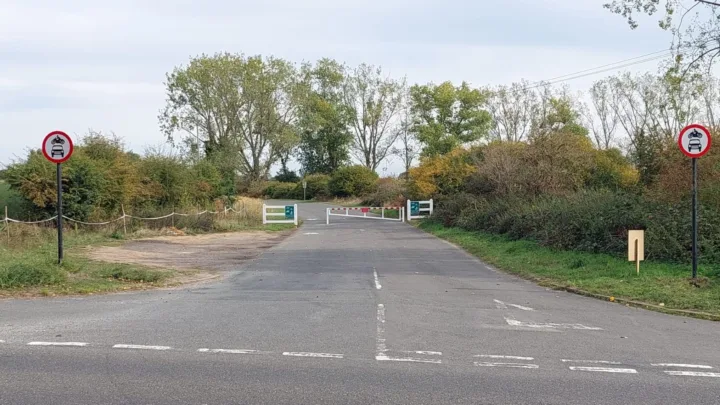
- At each traffic filter site, automatic number plate recognition (ANPR) cameras will monitor and enforce the restrictions. There will be no physical barriers. Cars without a valid permit driving through the filters will receive a fine of £70 (reduced to £35 if paid within 21 days).
- During the first six months of the traffic filter trial, the council will send a warning notice the first time any car goes through a traffic filter without using a permit, instead of sending a penalty charge notice.
The locations and operating times of the traffic filters will be the same as the temporary congestion charge:
- Marston Ferry Road and Hollow Way – Monday to Saturday – At peak times between 7.00am to 9.00am and 3.00pm to 6.00pm
- Hythe Bridge Street, St Cross Road, St Clement’s Street and Thames Street – Monday to Sunday – 7.00am to 7.00pm
Read more: Oxford’s traffic filters: Your frequently asked questions answered
Correction: A previous version of this article incorrectly stated the number of cancelled fines. The correct figure is that around 14,000 fines have been cancelled out of a total 205,000 issued under the congestion charge scheme.
Reporting contribution by Isabella Harris, Local Democracy Reporter (LDR) for Oxfordshire, covering local politics, council meetings and planning decisions across six councils in the county.