A higher percentage of people living in rural villages oppose the congestion charge than those within the city.
Opposition to Oxfordshire County Council’s proposed congestion charge is significantly higher in areas outside the city than within it, new data on the consultation shows, according to our Local Democracy Reporter Esme Kenney.
The county council recently consulted on the £5 temporary scheme, which would apply to six roads in Oxford if approved in September. Of the 7,165 responses received, 74 per cent said the charge would have a negative impact.
Some politicians have voiced concerns about the plan, including Oxford East MP Anneliese Dodds, who criticised officers after they recommended the scheme go ahead. She asked whether results had been broken down by postcode, highlighting worries that “lower income parts of the city will struggle to pay the charge.”
Council leader Liz Leffman responded on August 26 with postcode-specific data. It revealed that all postcodes outside Oxford recorded higher levels of opposition and lower levels of support than those within the city.
In OX18, covering Carterton, Bampton and Burford, 93 per cent of respondents opposed the scheme, compared with just 3 per cent in favour. Opposition was also strong in OX5 (Kidlington and surrounding area), OX10 (Wallingford), OX28 (Witney) and OX44 (Chalgrove, Garsington, Stadhampton and surrounding villages).
Within Oxford, opposition was less pronounced. In OX1, covering Osney, New Hinksey, South Hinksey and Kennington, 60 per cent opposed the plan while 36 per cent supported it. In OX4 — including Cowley, Littlemore and Blackbird Leys — 65 per cent were against, with 27 per cent in favour.
At a scrutiny meeting on August 27, rural councillors warned of the impact on residents travelling into Oxford. Councillor Will Boucher-Giles, representing Chesterton and Launton, said the scheme “doesn’t seem to benefit anyone outside the greater metropolitan area.”
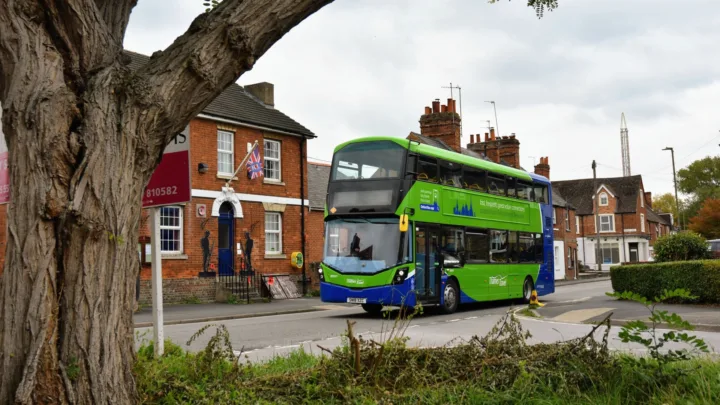
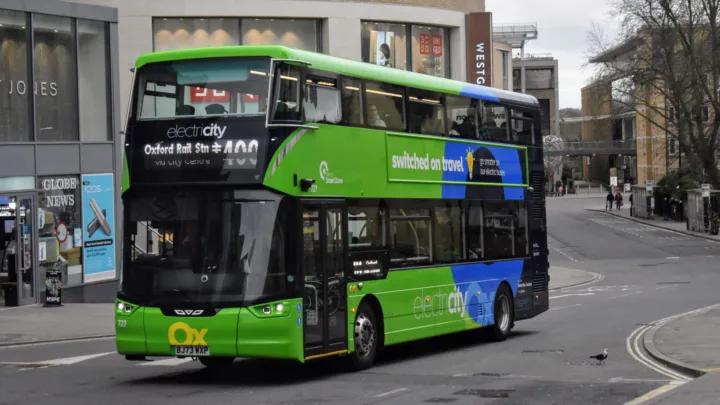
The committee recommended revenue from the charge be used to support rural bus services.
Postcodes with fewer than 50 responses were excluded from the breakdown.
Concillor Leffman said: “The scheme’s main benefits (less traffic, less congestion, better bus services, safer active travel infrastructure, improved air quality, reduced road accidents etc) will be realised in Oxford, if approved.
Of course, some of those benefits will be felt by those living outside the city (particularly those who travel in regularly) but city residents are likely to benefit far more.”
She added that some income could fund discounted bus fares for deprived parts of the city.
The county council estimates the charge could raise £3.2 million within 10 months. A final decision is expected from the cabinet on September 10.