Peace has been named Oxford Children’s Word of the Year for 2025, following new research by Oxford University Press (OUP) that highlights how closely children are engaging with the world around them.
The findings, released on Wednesday 21 January 2026, are based on responses from almost 5,000 children aged six to 14 across the UK. More than a third of participants (35 per cent) selected peace as their word of the year, narrowly ahead of AI at 33 per cent, with resilience chosen by 21 per cent.
OUP’s research revealed that children’s choice of peace was strongly influenced by their awareness of global conflicts. One in ten children referred directly to “war” when explaining their selection, with specific mentions of Ukraine and Gaza. Their responses frequently included words such as “need”, “want” and “should”, reflecting a strong sense of moral urgency and hope for change.
Further analysis of the Oxford Children’s Corpus – the world’s largest collection of children’s writing – showed that references to peace in stories submitted to the BBC 500 Words competition have risen by 60 per cent since 2015, underlining a long-term shift in children’s language and concerns.
For the second consecutive year, AI was voted runner-up. One in five children said they chose the word because they “hear” or “talk” about AI regularly, highlighting how embedded the technology has become in daily life.
More than a quarter of children aged six to eight selected AI, demonstrating its relevance even among the youngest respondents. Many children described the word as making them feel “excited” or “exciting”.
In contrast, children’s Slang Word of the Year reflected the importance of friendship and social identity. Almost half of those surveyed (47 per cent) chose six-seven, far ahead of aura and delulu.
While some children admitted the term had no clear meaning, research showed it played a key role in creating inclusivity, humour and shared social currency, with nearly three-quarters saying it was important to have words used only with friends.
OUP is now encouraging schools to take part in the next Oxford Children’s Word of the Year to support reading, vocabulary development and oracy skills. To mark the 2025 announcement and the National Year of Reading 2026, OUP will also collaborate with the National Literacy Trust on author-led school events across the UK.
Andrea Quincey, Director of Early Years and Primary Publishing at Oxford University Press, said:
“A key theme we see from our Oxford Children’s Word of the Year research is just how attuned children are to current affairs. This year is no different; whether that’s calling for peace in response to current conflicts or highlighting how AI has permeated daily life.
“Perhaps it’s no surprise that ‘six-seven’ is voted, overwhelmingly, as their slang word of the year. A word which brings them laughter and joy and connection with friends. We see how important it is for children to have agency over their language away from the grown-up world and share words that adults can’t understand.
“For this reason, we are calling for schools to get involved with our Oxford Children’s Word of the Year research for 2026. Not only do we want to hear from more children, but we also want to hear about colloquial words and capture regional voices. This year’s research demonstrates just how important it is that we continue to research children’s language and support their vocabulary development as it plays a vital role in their self-expression.”
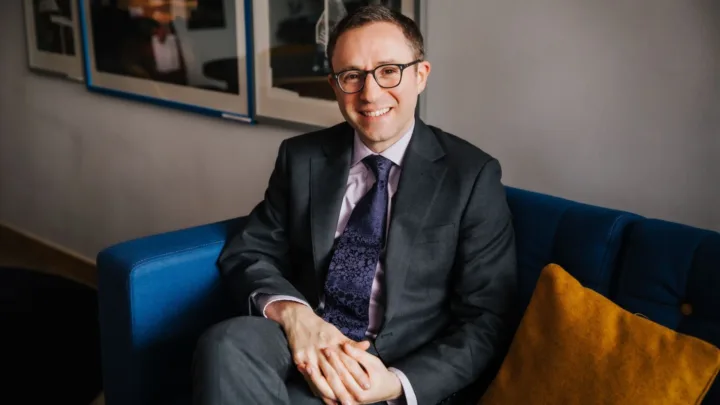
Jonathan Douglas CBE, Chief Executive of the National Literacy Trust, said:
“Language plays a profound role in shaping our society, culture and identity. Understanding how children and young people make sense of the words they encounter in their daily lives, take ownership of them and play with their meaning, demonstrates the power of language for helping us comprehend the world around us and our place in it.
“The National Year of Reading will enable us to give more children and young people new opportunities to experience language in ways that are fun, relevant and help them connect with others. Throughout the year, we will work with Oxford University Press and a number of incredible authors to bring the magic of reading and words to life for children and young people across the UK.”