Soldiers of Oxfordshire Museum will open a new exhibition, Oxfordshire’s Military Heritage in 50 Objects, from 21 March to 30 April 2026, exploring the county’s military past through a curated selection of artefacts.
The exhibition brings together highlights from the museum’s permanent displays alongside recently donated items shown publicly for the first time.
Drawn from a wider collection of 14,500 objects, the chosen pieces trace Oxfordshire’s military story from the Napoleonic Wars to the Second World War, and even further back to Roman Britain.
Museum Director Ursula Corcoran said: “50 Objects brings many objects out of the archive and into the public gaze for the first time. We hope visitors will be inspired by the county’s military heritage and even think of the family stories and treasures they hold themselves”.
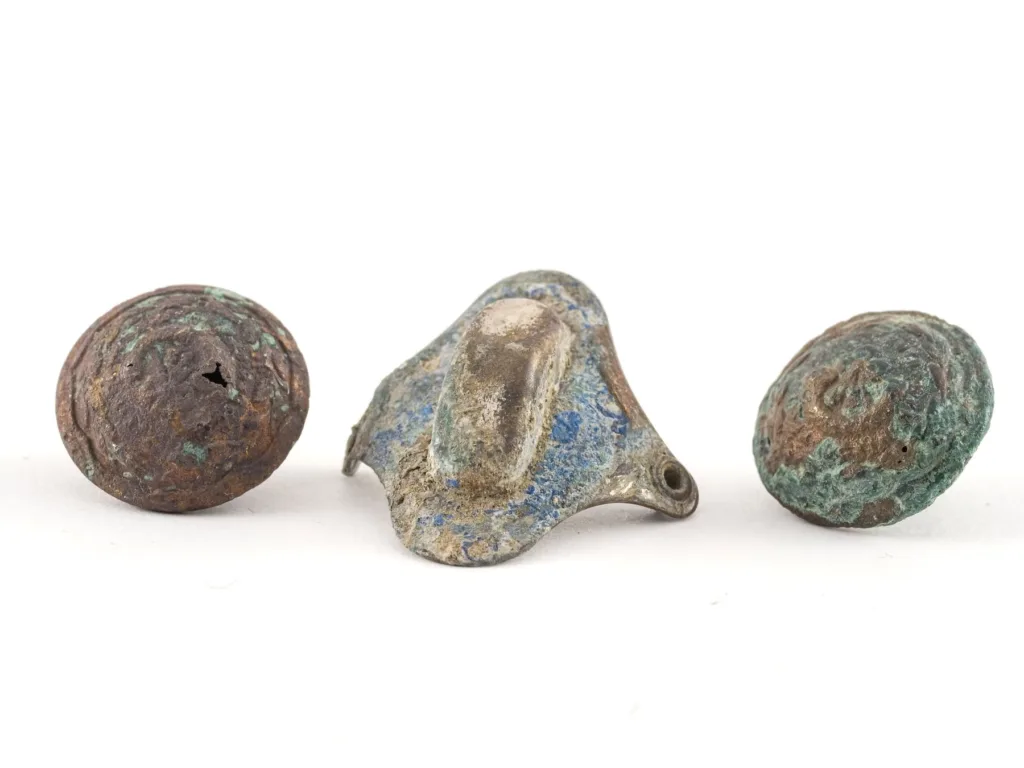
Among the earliest stories featured is that of Lucius Valerius Geminus, a veteran of the Second Augustan Legion buried at Alcester in 79AD. The exhibition also highlights the role of the county’s historic regiments, including The Oxfordshire & Buckinghamshire Light Infantry and the Queen’s Own Oxfordshire Hussars.
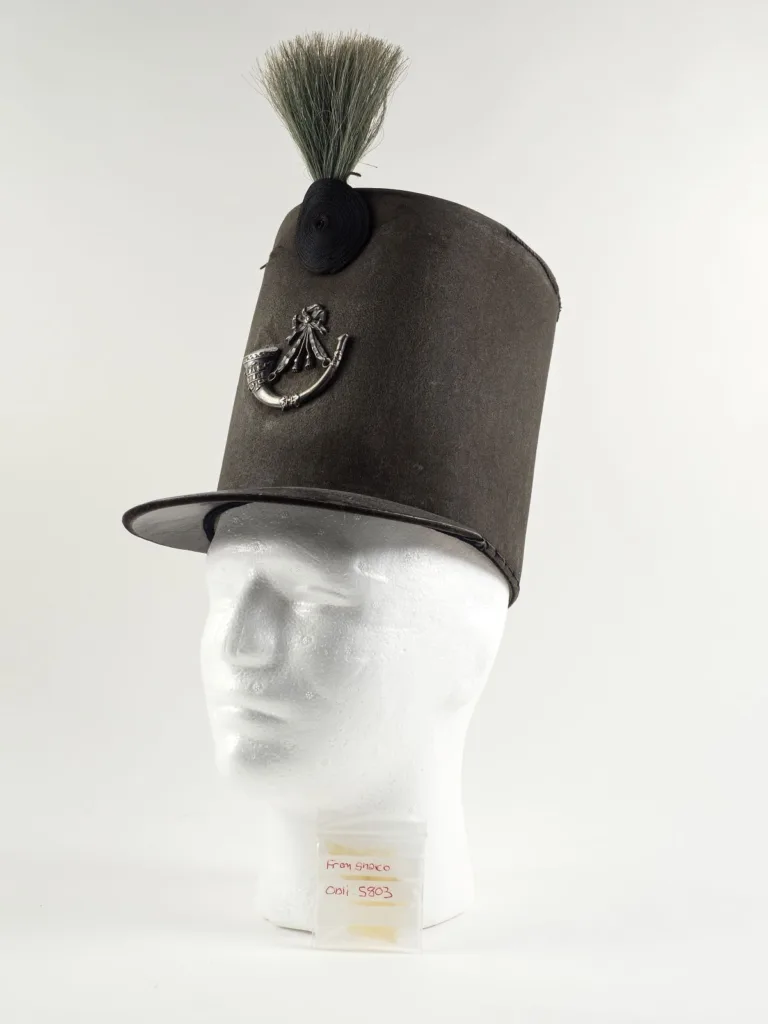
A 19th-century shako cap and Waterloo Medal illustrate the 52nd (Oxfordshire) Regiment of Foot’s role in Napoleon’s defeat.
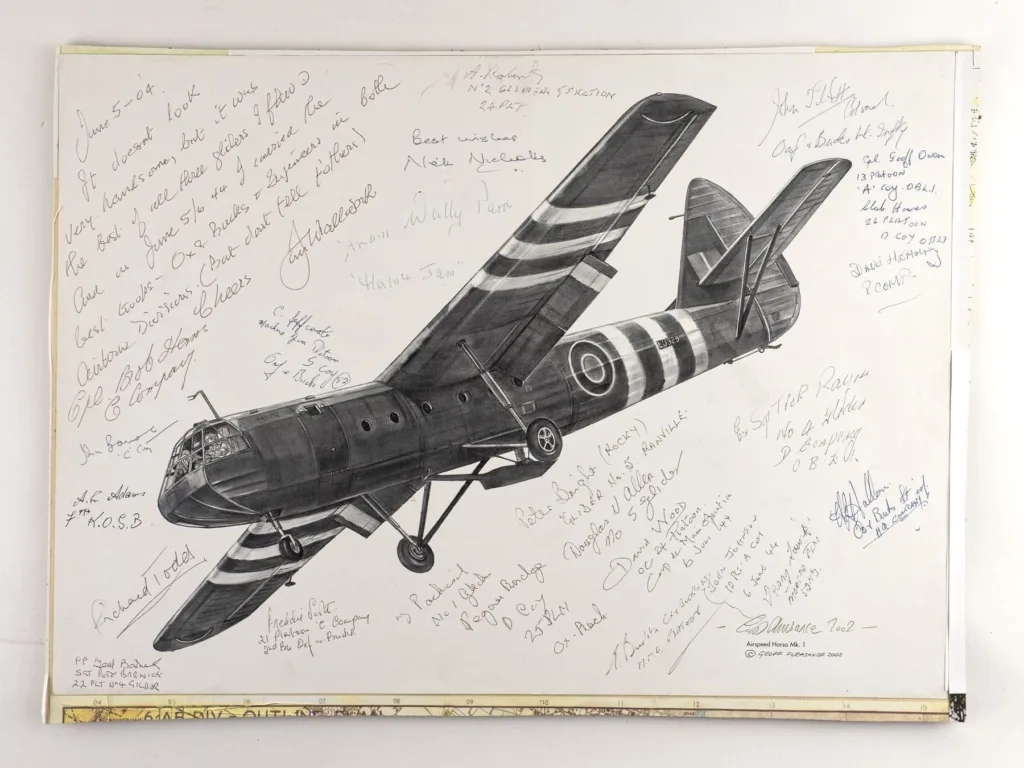
Moving forward to the Second World War, a signed sketch of a Horsa glider and a set of binoculars tell the story of the 2nd Battalion Oxfordshire & Buckinghamshire Light Infantry, who were among the first British troops to land in Normandy on D-Day and capture what became known as Pegasus Bridge.
The sketch includes a note from glider pilot SSgt Wallwork, who wrote:
“On 5-6th June ’44 I carried the best troops (Ox & Bucks & Engineers) in both Airborne Divisions (but don’t tell t’others).”
Another section of the exhibition recounts the identification of Lieutenant Osmond Wordsworth, whose remains were discovered in France in 2013. After years of research and DNA testing conducted through the Ministry of Defence’s Joint Casualty and Compassionate Centre, his grave was rededicated in 2022, 105 years after he was killed during the Battle of Arras.
Volunteer Ingram Murray said: “After prolonged research with another volunteer using a wide range of sources, we successfully established that the remains were of Lieutenant Osmond Wordsworth, who had transferred to the Machine Gun Corps before being killed in action”.
More recent local history is represented by a set of decorated blackout curtains from a house on Park Street, Woodstock, used during the Second World War.
Alongside the exhibition, the museum will expand its outreach programme with themed “50 Objects” talks for clubs and community groups across the county.
The museum has thanked the Greening Lambourne Trust and its volunteers for supporting the exhibition and outreach programme.