More than one million square metres of road surface across Oxfordshire will be treated this spring as part of an £8 million highway maintenance programme aimed at reducing potholes and extending the life of local roads.
Oxfordshire County Council said 87 roads will be improved following an unusually demanding winter that led to a rise in pothole reports both locally and nationally.
Working with its principal highway contractor M Group, the council will carry out surface dressing works in 62 towns and villages between April and June.
Andrew Gant said preventative maintenance remains the most effective long-term approach.
“The places with the best roads there are the ones that don’t get potholes in the first place.
“Oxfordshire has some of the busiest roads in the country, with 4.79 billion vehicle miles travelled in 2024. Heavy traffic puts huge strain on road surfaces.
“Reactive pothole repairs are expensive and inefficient. Preventative maintenance, such as surface dressing, is far better value and stops potholes forming in the first place.”
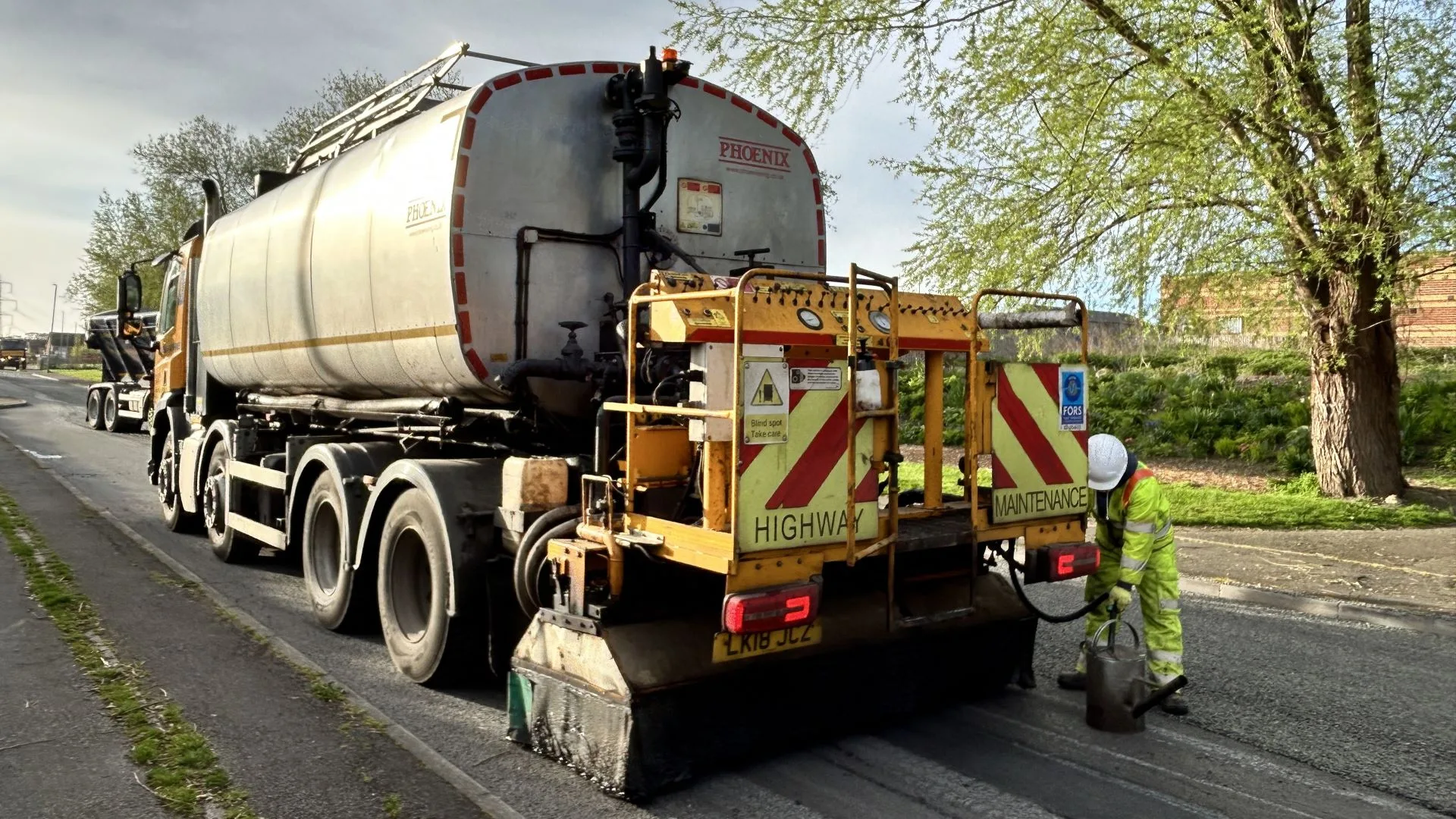
Surface dressing involves applying bituminous emulsion to the road surface, followed immediately by a layer of chippings that seal and protect the carriageway after existing defects have already been patched.
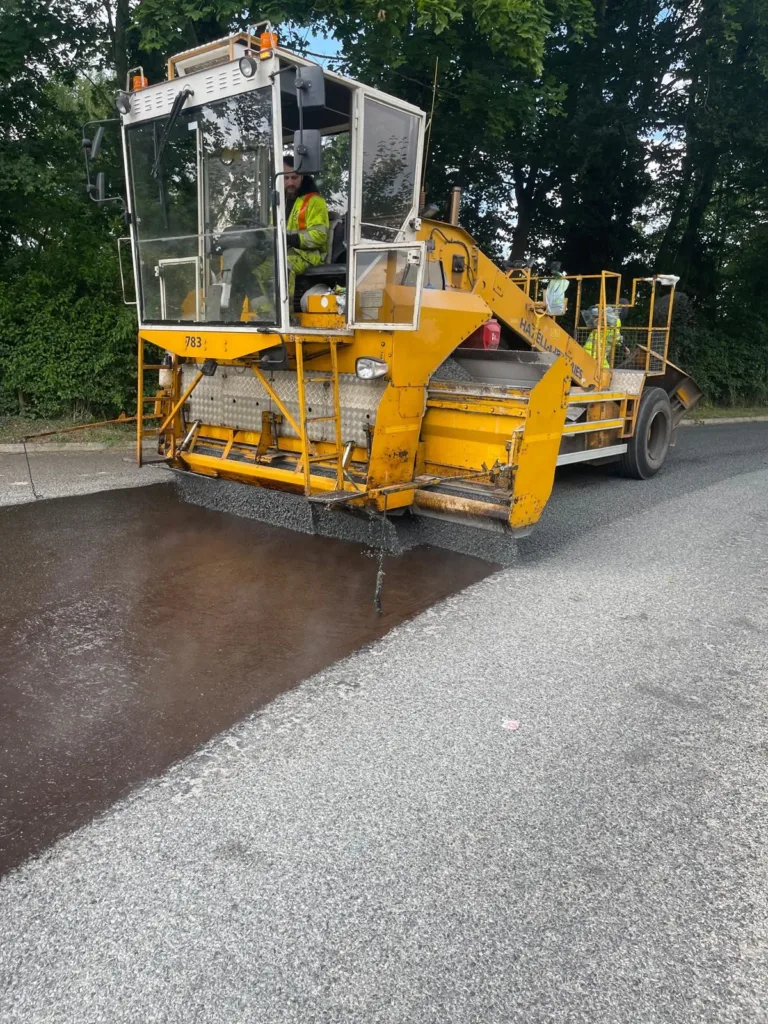
Richard Lovewell said the process offers a cost-effective way to extend road life.
“Surface dressing is the most cost-effective and efficient way to increase the life of our roads. It prevents water ingress, improves skid resistance and ultimately protects the carriageway from future potholes.
“We’re proud to be supporting the council in delivering this forward-thinking investment in Oxfordshire’s road network.”
Motorists are being advised to watch for roadwork notices and drive carefully after treatment has taken place. A temporary advisory speed limit of 20mph will apply while loose chippings settle, reducing the risk of broken windscreens, chipped paintwork and skidding.
The council said the treatment offers several advantages:
- Sealing the road surface to keep out water, one of the major causes of deterioration and potholes
- Reducing the deterioration of the road surface
- Restoring skid resistance to reduce skid-related collisions
- Extending road life before structural maintenance becomes necessary
- Improving value for limited highway maintenance budgets
- Minimising traffic disruption, with up to 100,000 square metres treated in one day
The programme is weather dependent and cannot be completed in wet conditions. Updated schedules and route maps will be published on the council’s website as work progresses.