Councillor Susan Brown says three-unitary model will simplify governance, tackle housing pressures and protect rural Oxfordshire
Oxford City Council leader Councillor Susan Brown has welcomed the Government’s decision to create three new unitary councils for Oxfordshire and West Berkshire, describing the announcement as a “historic day”.
The Government confirmed on Thursday, 16 July, that seven existing councils will be abolished and replaced by three new authorities from 01 April 2028.
The new structure will create:
- Greater Oxford Council – covering Oxford and surrounding areas.
- Northern Oxfordshire Council – covering most of Cherwell and West Oxfordshire.
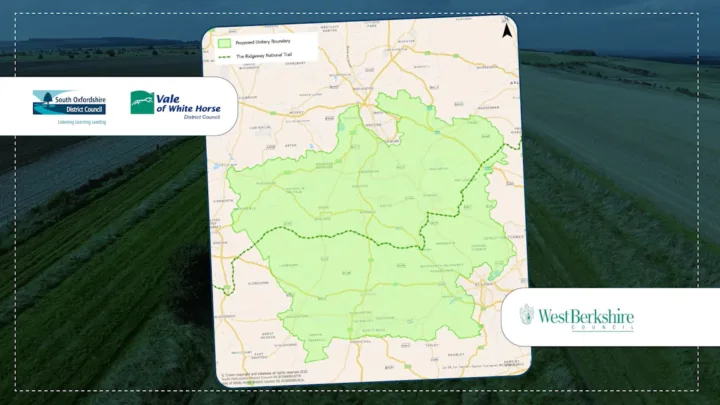
- Ridgeway Council – covering most of South Oxfordshire and Vale of White Horse, alongside West Berkshire.
Each new council will be responsible for all local authority services in its area, including housing, planning, waste collection, roads and social care.
City leader says decision will shape future generations
Councillor Susan Brown, leader of Oxford City Council, said the decision would have a lasting impact on Oxford, Oxfordshire and West Berkshire.
She said:
“Today is a historic day. This decision will shape the future of Oxford, Oxfordshire and West Berkshire for generations.”
The three-unitary proposal was led by Oxford City Council and was selected ahead of alternatives for a single county-wide authority or a two-council model.
Councillor Brown said the chosen structure would simplify local government, reduce costs and allow services to be shaped around the needs of different communities.
She added that the model would ensure areas across Oxfordshire retained their own focus, saying:
“It means Witney and Banbury won’t be overshadowed by a focus on Oxford, while South Oxfordshire and the Vale of White Horse can build a new future with West Berkshire, reflecting the history and connections they share.”
Housing and growth at centre of proposal
A major argument behind the city council’s proposal was the need to address Oxford’s housing shortage.
The three-council model proposes concentrating development around Oxford, including the use of 2.6% of Oxford’s Green Belt to support the delivery of 40,000 homes by 2040, including 16,000 social and affordable homes.
Councillor Brown said the approach would help provide more homes while protecting rural communities from continued expansion of existing towns and villages.
She said:
“By focusing development around Oxford, rather than continuing the incremental expansion of towns and villages across rural Oxfordshire, we can deliver the homes people need while protecting more green space overall.”
Next steps towards new councils
Although the Government has announced the preferred structure, there will be no immediate changes to council services.
The existing councils will continue operating until the new authorities come into force on 01 April 2028.
The next stages include elections for the new unitary councils in May 2027, after which shadow authorities will be created to prepare for the transition.
During the transition period, Oxfordshire and West Berkshire councils will work together to plan the transfer of services, staff and responsibilities.
Councillor Brown said the decision represented an opportunity to create a more affordable and sustainable future for the region.
She said:
“Oxford has needed more room to grow for a generation. The government has listened, and from 01 April 2028 we will have a genuine opportunity to make Oxford and Oxfordshire more affordable for our children and grandchildren.”
The Government’s decision now begins a two-year transition before Oxfordshire’s existing council structure is replaced by the new unitary authorities.