Thames Valley leaders are furious after plans to create a powerful regional Strategic Mayoral Authority collapsed, accusing Oxfordshire’s Liberal Democrat leadership of derailing a once-in-a-generation devolution deal after it withdrew support at a crucial stage.
Read more: Thames Valley mayoral authority plans unravel as Oxfordshire’s Lib Dem leadership withdraws support
The proposals — which aimed to establish a Thames Valley Strategic Authority spanning Oxfordshire, Berkshire and Swindon — were expected to be signed off last week as a Foundation Strategic Authority (FSA), the first step towards a directly elected mayor and regional elections targeted for May 2028.
Instead, the talks ended in breakdown, after Oxfordshire’s Liberal Democrat leadership abruptly withdrew support, effectively halting months of negotiations and leaving the wider plan in limbo.
The reaction from across the region was swift and sharply critical.
Business leaders described the collapse as a serious setback for investment, skills and infrastructure planning across one of the UK’s most economically productive regions. Paul Britton, chief executive of the Thames Valley Chamber of Commerce, warned that the region risked falling behind unless leaders returned to the table urgently.
He said businesses expected civic leaders to “get back around the table and iron this out with urgency”, adding that fragmented governance threatened the Thames Valley’s competitiveness at a time of growing economic pressure.
Political leaders were equally forthright. Bracknell Forest Council leader Councillor Helen Purnell condemned the decision as “ridiculous” and “absurd”, accusing Oxfordshire Liberal Democrats of undermining months of cross-party work and “throwing away” a major opportunity for regional growth.
She said businesses and councils across party lines had supported the creation of a strategic authority to improve investment, delivery and coordination, and warned residents would now miss out on potential benefits.
Labour leaders also expressed anger. Oxford City Council leader Susan Brown described the collapse as “disgraceful”, warning that Oxfordshire and the wider region risked losing inward investment and missing the chance to bring decision-making closer to communities.

Reading’s Labour leadership echoed those concerns, with Council Leader Liz Terry accusing the Liberal Democrats of political manoeuvring and warning that the Thames Valley was now “at risk of missing out on a package of investment that would have been transformative”.
However, Liberal Democrat leaders from other parts of the region attempted to present a more conciliatory view. Wokingham leader Stephen Conway said councils had been unable to reach unanimous agreement, which government required for the process to proceed, adding that discussions had now been paused.
Within Oxfordshire itself, differing positions have emerged. Leaders in Cherwell and West Oxfordshire said they remained supportive of the principle of a Foundation Strategic Authority, while Windsor and Maidenhead — previously involved in talks — raised concerns that the plans lacked tangible benefits for residents and had become overly dependent on future promises.
Oxfordshire County Council’s Liberal Democrat leadership defended its position, arguing that government had altered the terms of the deal during negotiations, shifting from a proposed mayoral model to a more limited FSA structure with reduced powers and funding.
They said concerns centred on the scale of local benefits and whether councils were being given genuine control over shaping the final arrangements, while reiterating that they remained open to further engagement.
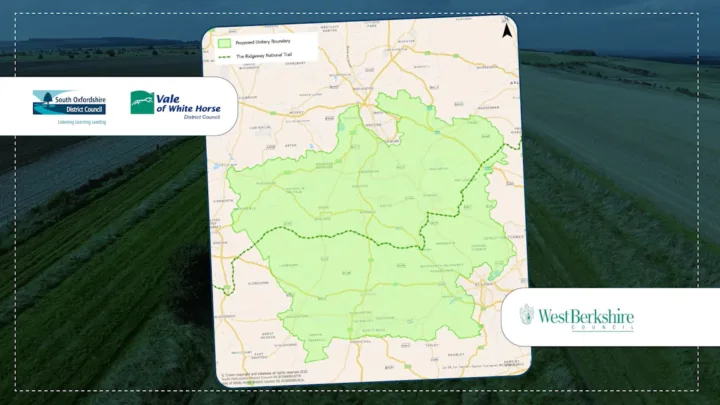
Despite the breakdown, the economic rationale behind the proposal had been significant. The Thames Valley Strategic Authority would have brought together a region of nearly two million people, incorporating major innovation hubs, universities and business clusters along the M4 and M40 corridors.
Earlier submissions to government argued that a unified governance structure could unlock billions in additional economic growth by 2040, alongside improved coordination on housing, transport and infrastructure.
Central government had been broadly supportive of devolution in principle, but understood to favour a slightly different model to the one preferred by Oxfordshire Liberal Democrats, creating further tension in the negotiations.
Now, with the talks collapsed, the future of Thames Valley devolution is uncertain. Councils must decide whether to attempt a revised agreement without Oxfordshire, restart negotiations from scratch, or risk the government stepping in with a more centralised solution.
For business leaders and councils who had backed the plan, the concern is immediate: that a rare opportunity to reshape regional governance — and unlock major investment — may have been lost.
Reporting contribution by Ted O’Neill Local. Local Democracy Reporter covering Bracknell Forest Borough Council and Wokingham Borough Council, including council meetings, planning and development, and local politics.