The leader of Vale of White Horse District Council has called for rural communities to remain at the centre of decision-making after the Government confirmed plans to replace Oxfordshire and West Berkshire’s existing councils with three new unitary authorities.
The announcement on Thursday, July 16, confirmed that the current seven councils will be abolished and replaced by:
- Greater Oxford Council – covering Oxford and surrounding areas.
- Northern Oxfordshire Council – covering most of Cherwell and West Oxfordshire.
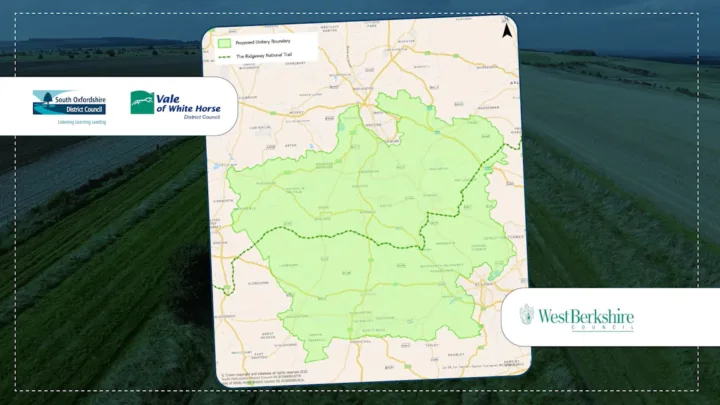
- Ridgeway Council – covering most of South Oxfordshire and Vale of White Horse, alongside West Berkshire.
The new councils will come into operation on 01 April 2028.
Vale leader responds to Government decision
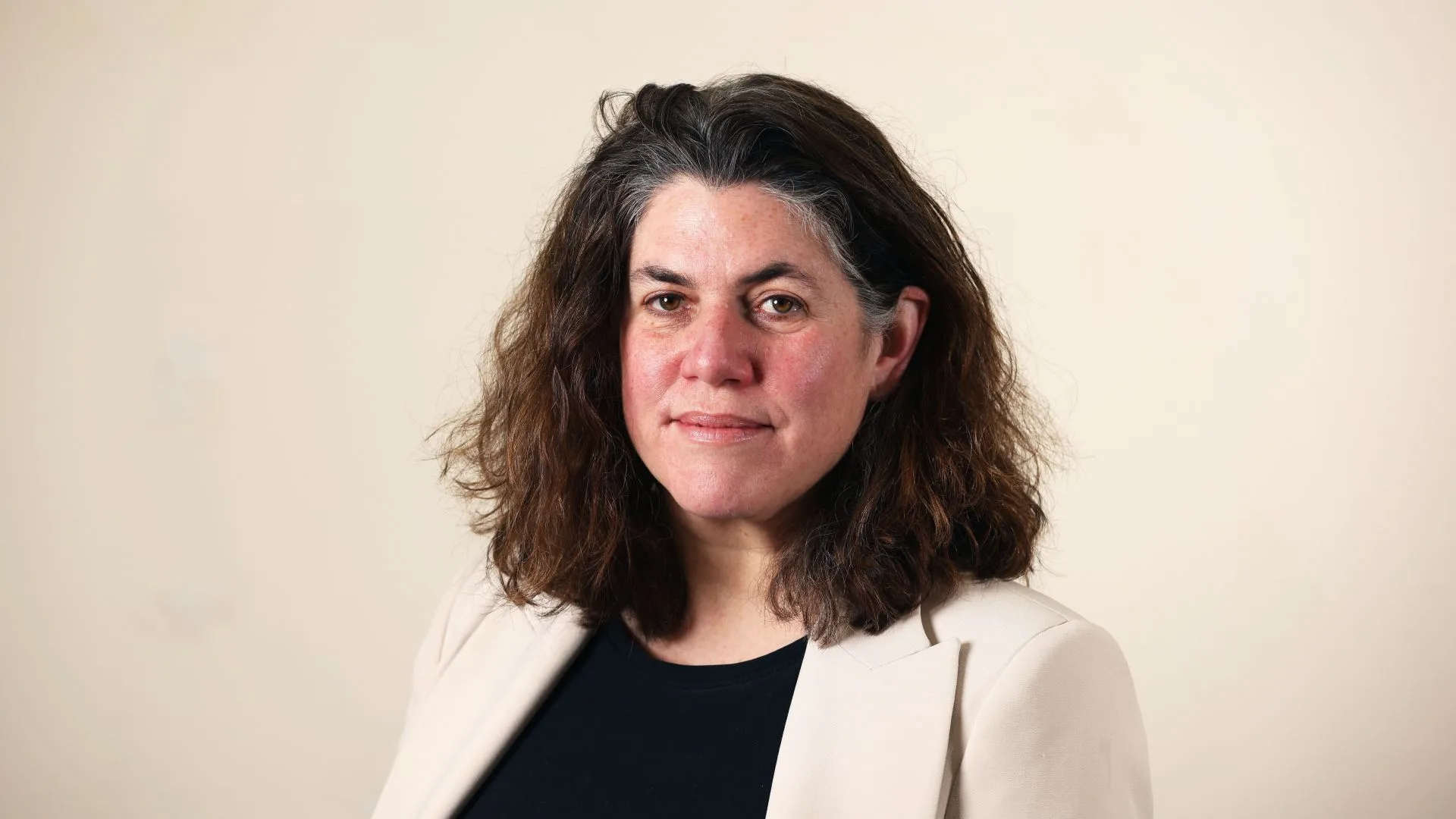
Vale of White Horse District Council leader Councillor Bethia Thomas said she was disappointed that the council’s preferred proposal had not been selected, but stressed that attention must now turn towards ensuring the transition works for residents.
She said:
“Whilst I am naturally disappointed that our proposal wasn’t chosen after working so hard on it in partnership with four other councils, above all, it is really important we now focus on a positive way forward, keeping our communities as our priority.”
The Vale had supported a two-unitary model alongside other district councils, arguing it would provide a strong balance between efficiency, accountability and local representation.
Concerns over rural representation
Councillor Thomas said residents had raised concerns during the consultation process about protecting the character of Vale villages, safeguarding the countryside and ensuring rural communities are not overlooked by a larger urban authority.
Under the approved plans, nine Vale parishes will become part of the new Greater Oxford Council, affecting more than 23,000 residents.
The communities affected include Appleton-with-Eaton, Cumnor, Kennington, North Hinksey and Wootton.
Councillor Thomas said:
“Many of our rural communities will now be brought into a unitary authority focused on Oxford City. This will impact over 23,000 residents across nine parishes, and I will be seeking utmost reassurance that any changes are carried out sensitively and with local voices in mind.”
She added that concerns about retaining local identity and ensuring rural priorities are heard “remain valid and should continue to be heard and respected”.
Transition work begins
Despite the disappointment, Vale of White Horse District Council said it would work constructively with the other councils involved to support a smooth transition.
The existing councils will continue providing services until April 2028, while preparations take place for the new unitary authorities.
The transition timeline includes:
- Autumn 2026: Expected structural changes order, legally establishing the new council arrangements.
- May 2027: Elections for shadow authorities, which will prepare the new councils.
- Late 2026 to March 2028: Transition period covering services, staff and governance arrangements.
- 1 April 2028: New councils formally take over.
Councillor Thomas also highlighted the impact of the changes on council employees and thanked officers and councillors across Oxfordshire and West Berkshire for their continued work delivering services.
She said the Vale’s focus would remain on supporting residents, protecting communities and working with partner councils to help create a successful transition.
The Government’s decision begins a two-year process that will reshape how local services are delivered across Oxfordshire and West Berkshire.