Finding my path: How curiosity for science led to a career in 3D printing
By
on
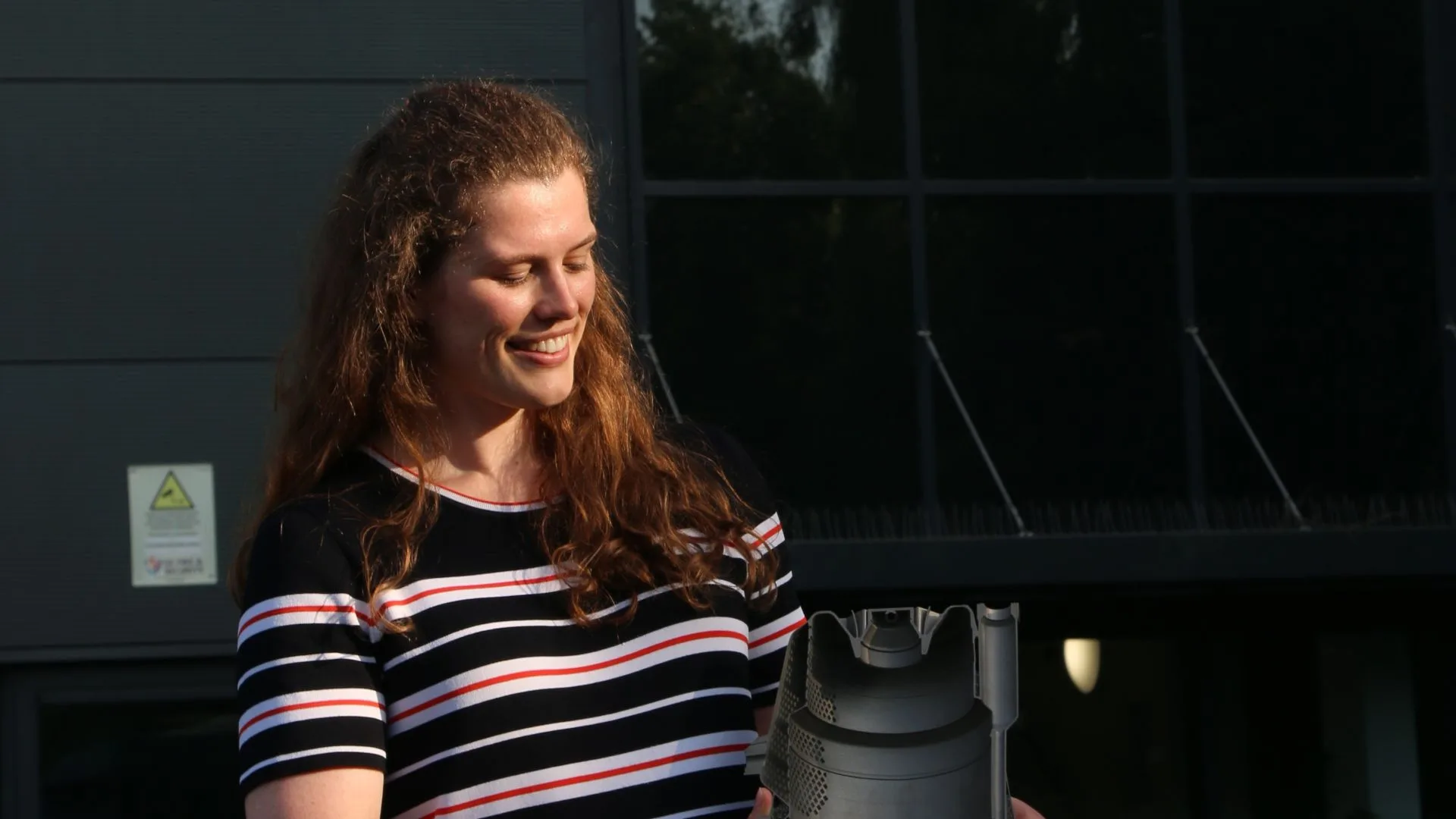
Photo: Georgina Frater, Head of Innovation Services at Alloyed
Georgina Frater of Oxford-based Alloyed shares how her curiosity for science led to a career in engineering and 3D printing, and why more women are needed to help shape the future of innovation.
According to the World Bank, women make up 28% of the engineering workforce globally. In the UK, that figure is just 17% — up from 10.5% in 2010. While it is encouraging that more women are entering engineering, the fact that we still make up such a small minority is disheartening.
Whether this is due to a lack of early encouragement for young girls to study STEM subjects or outdated stereotypes about what it’s like to work in engineering today, the sector looks very different from how it did a decade ago. While women can still experience imposter syndrome in what remains a heavily male-dominated environment, that shouldn’t prevent us from pursuing this career.
Fortunately, my own experience has been incredibly fulfilling and positive. Today, I’m Head of Innovation Services at Alloyed, an Oxford-based company that specialises in designing and manufacturing super-strong, high-performance, lightweight metal components using 3D-printing technology.
As advanced manufacturing becomes an increasing focus for the Government, more engineers — particularly women — will be needed to help build this cutting-edge industry, where the UK has the potential to lead the world.
Here, I’ll share the different routes into engineering, what a modern engineering career really looks like, and how young people can build a future in this resilient and forward-looking industry.
Routes into engineering
I followed a fairly traditional route into engineering. I studied Natural Sciences at the University of Cambridge, where I discovered my passion for materials science — developing new materials and improving existing ones so they can be stronger, lighter and more sustainable. I loved the combination of theory and practical application, which eventually led me to Alloyed, a company that applies these principles commercially by working with some of the world’s biggest businesses across aerospace, automotive and consumer electronics.
However, this is by no means the only route into the sector. Engineering values practical experience and technical skills, which can be developed through internships and apprenticeships. In fact, almost 28% of engineering and technology apprentices are women, making apprenticeships one of the most common pathways into the profession. The biggest advantage is that you can earn while gaining valuable hands-on experience.
At Alloyed, we offer apprenticeships from the age of 16, giving young people the opportunity to learn by manufacturing complex metal components for products such as cars, rockets and augmented reality (AR) glasses. Our apprentices are some of our greatest assets, gaining both theoretical knowledge and practical skills without spending all their time in a classroom. It’s a genuine win-win.
From jewellery to 3D-printed alloys
But what do engineers actually do?
From software and aerospace to biomedical and electrical engineering, the possibilities are almost endless. Data shows that women are more likely to choose chemical engineering, where they account for around 33% of undergraduates, often leading to careers in industries such as pharmaceuticals.
However, women remain less likely to pursue careers in civil, software, mechanical or materials engineering — the area I’m most passionate about. I suspect that’s partly because many people don’t fully understand what materials engineering involves. In reality, it’s incredibly varied, creative and rewarding.
One of my earliest projects involved platinum casting for jewellery, developing materials that were harder and more scratch-resistant so wedding and engagement rings could retain their shine for longer. It wasn’t the sort of work people would expect from a company known for manufacturing aerospace components, but that’s exactly what makes Alloyed so special. Every project combines scientific problem-solving with hands-on manufacturing, and those skills can be applied across an enormous range of industries.
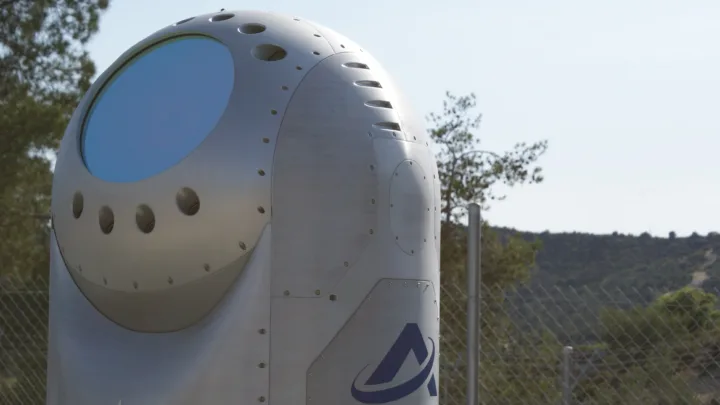
On another project, we were developing larger aerospace components. Parts that worked perfectly at a smaller scale began cracking when we increased their size. We eventually solved the problem using advanced laser technology that genuinely looked as though it belonged in a science fiction film.
This variety isn’t unique to Alloyed. Across the engineering sector, there are opportunities to match almost every interest, from renewable energy and robotics to medical implants and satellites. That’s why it’s so important to explore the different possibilities rather than be limited by outdated stereotypes.
Empowering the next generation of innovators
For any young women with a passion for science, technology or maths who are wondering where those interests could take them, here are my top three pieces of advice.
Firstly, gain as much hands-on experience as you can. Whether that’s through internships, university societies, industry conferences or careers fairs, exposing yourself to different companies and different types of engineering will help you discover what genuinely excites you. It also gives you the opportunity to speak with women already working in the industry, whose experiences can help build your confidence and broaden your understanding of fields such as materials science and additive manufacturing.
Secondly, stay adaptable and open-minded. There isn’t one type of person who becomes an engineer, and engineering can open an incredible range of opportunities. What matters most is being able to think logically, solve problems creatively and, above all, stay curious.
Finally, never underestimate the importance of soft skills. Technical knowledge can be learned throughout your career. The qualities that make the biggest difference are bringing your own perspective, asking questions with confidence and working collaboratively. Those skills will help you develop professionally while deepening your understanding of increasingly complex technologies.
Engineering is a dynamic profession built on collaboration, innovation and problem-solving. It requires both technical expertise and strong interpersonal skills. There are enormous opportunities for women not only to enter the industry but to thrive within it. To make that happen, we must continue encouraging girls to study STEM subjects from an early age and ensure they have every opportunity to pursue careers that are both rewarding and capable of shaping the future.
Georgina Frater is Head of Innovation Services at Alloyed, an Oxford-based advanced manufacturing company specialising in the design and production of high-performance metal components using additive manufacturing (3D printing).
With a background in materials science, she leads a team of engineers developing new alloys, optimising manufacturing processes and helping customers across industries including aerospace, defence, energy and consumer electronics.
Georgina studied Natural Sciences and Materials Science at the University of Cambridge, where she achieved first-class degrees and received the Armourers and Brasiers Medal and Prize.
Beginning her career as a materials engineer, she has progressed through technical and leadership roles at Alloyed, supporting innovation in metal 3D printing and championing new pathways into engineering, particularly for the next generation of women in STEM.