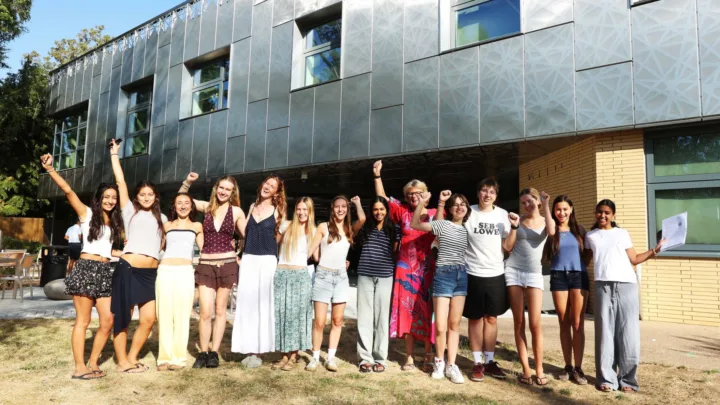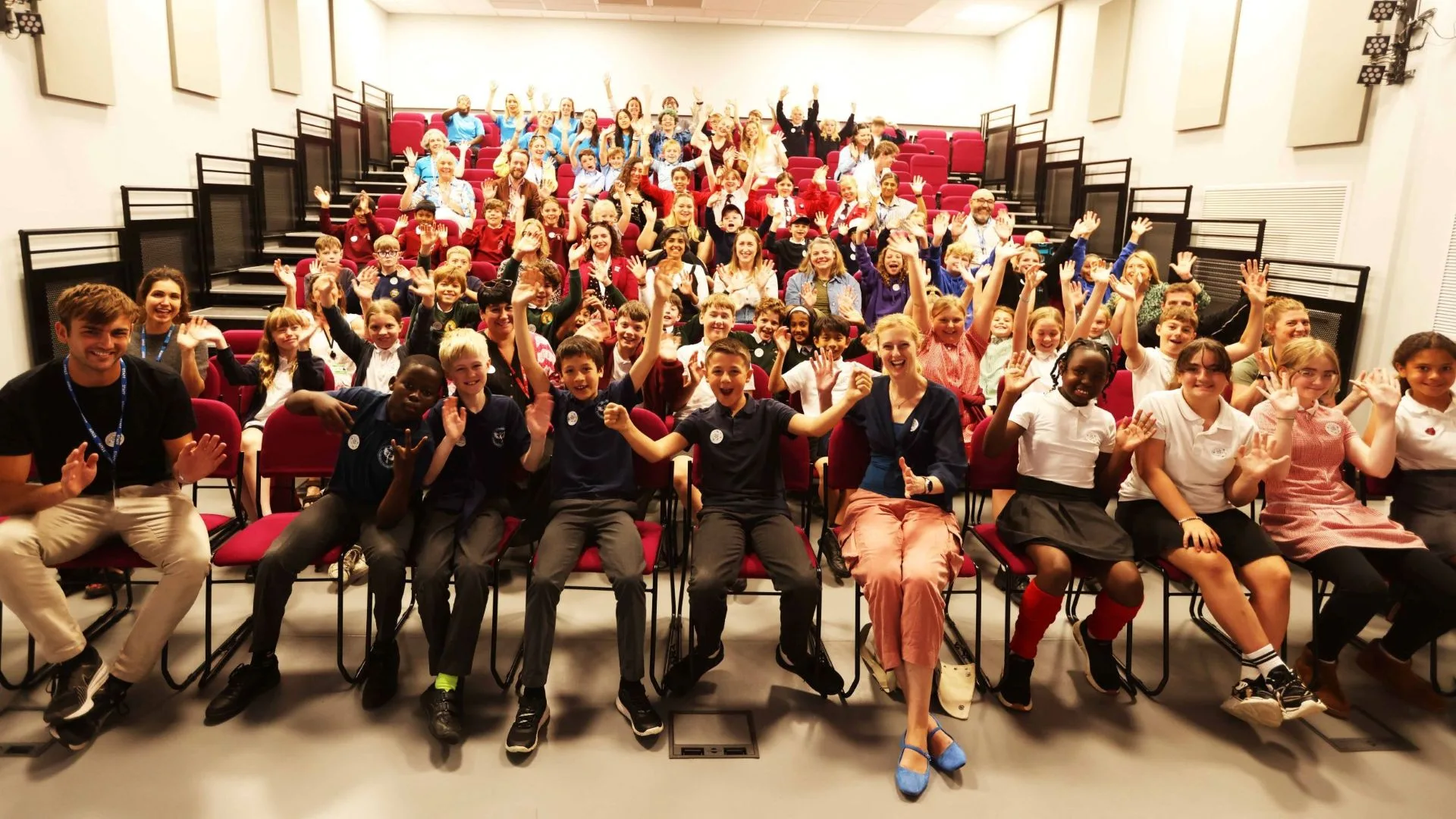
Primary school students from across Oxfordshire and Buckinghamshire have been celebrating the power of curiosity at the annual Science Oxford Big Science Event, presenting hands-on investigations that turned everyday questions into meaningful scientific enquiry.
From testing which chocolate can withstand the most pressure to exploring whether flowers grow faster than vegetables, 60 pupils from 13 primary schools gathered at the Science Oxford Centre in Headington on 16 June to share their discoveries and demonstrate how science begins with a simple question.
The event, delivered in collaboration with the Great Science Share for Schools, encourages children aged five to 11 to design their own experiments, record findings and communicate results. Armed with posters, equipment and a clear sense of purpose, pupils presented work that reflected a strong understanding of the scientific method.
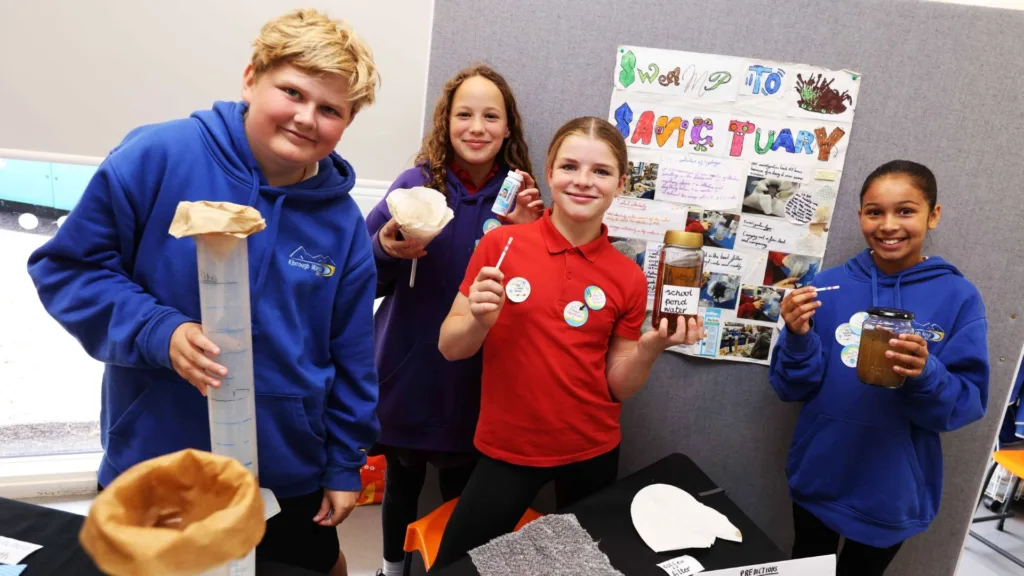
Among the questions explored were Stokenchurch Primary’s Year 3 investigation into which material makes the most effective parachute, Eynsham Primary Year 6’s comparison of branded and non-branded cereal taste, and North Leigh CE Primary’s study into the best filter for cleaning pond and muddy water.
Daniel Scholes, Head of Education at Science Oxford and event lead, said the day highlighted the importance of pupil-led enquiry.
“Seeing the science questions that pupils have about their world is always eye-opening, and observing teachers supporting them to find answers for themselves is truly inspirational,” he said. “The Big Science Event is Science Oxford’s opportunity to bring all of that together to celebrate the science learning taking place in our local primary schools.”
The benefits of this approach were echoed by Francesca MacLennan, Director of Science Education and Engagement, who emphasised the wider skills developed through independent enquiry.
“Giving pupils the autonomy to run their own scientific enquiries helps to build key skills such as higher-order thinking, problem-solving and oracy, while also empowering young people to understand the world around them,” she said.
Teachers also praised the impact of the programme. Katie Brodie from Witney Community Primary School described how pupils embraced the opportunity to follow their own lines of questioning, encouraging deeper thinking and collaboration.
This year saw 127 schools across Oxfordshire and Buckinghamshire take part in the Great Science Share for Schools, contributing to a global community of more than one million participating pupils worldwide.
Grace Marston, Campaign Manager for the initiative, said the milestone reflected the programme’s growing reach and impact.
“To reach over one million pupils registered in Great Science Share for Schools is a huge milestone,” she said. “This campaign makes a huge difference to teachers and young people by helping to shine a spotlight on science and emphasise the importance of curiosity and connection to the world around them.”
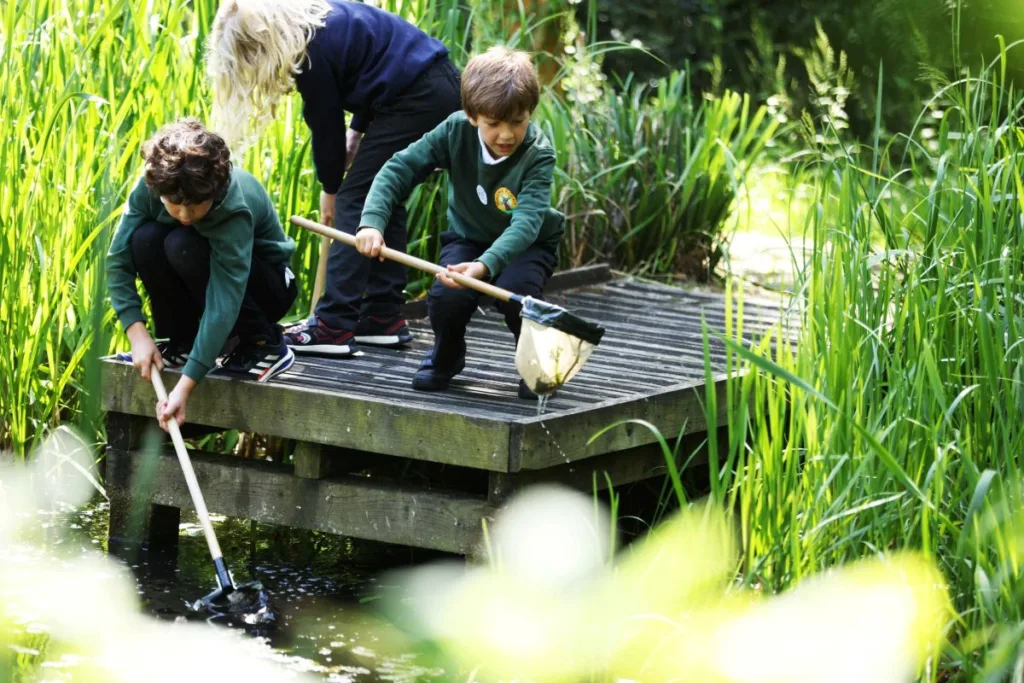
Ahead of the Big Science Event, Science Oxford also visited participating schools, where pupils shared their findings with classmates, families and visiting STEM professionals. On the day itself, children explored interactive exhibits in the Science Oxford Centre’s Exploration Zone and took part in outdoor pond-dipping workshops, bringing classroom learning into a real-world environment.
The event was supported by industry partners Diamond Light Source and Abbott, whose volunteers engaged pupils in discussions about everyday science, from how chocolate changes when melted to the sugar content of common foods.
The Big Science Event forms part of Science Oxford’s wider Primary Schools Programme, which supports STEM learning across the region through workshops, outreach activities and hands-on experiences, both at the centre and in schools.
Science Oxford, the public-facing brand of The Oxford Trust, continues to deliver its mission to inspire young people in science and technology through immersive education programmes, including mobile planetarium sessions and its Thinking, Doing, Talking Science approach.
The Great Science Share for Schools, founded by Professor Lynne Bianchi of The University of Manchester, continues to grow as an inclusive, non-competitive campaign encouraging pupils to ask questions that matter to them and share their findings with wider audiences, both in the UK and internationally.