Businesses across Oxfordshire’s visitor economy are reporting a mixed outlook, according to the latest annual business survey from Experience Oxfordshire, the county’s official Local Visitor Economy Partnership.
The survey, which gathered feedback from tourism, hospitality and visitor economy operators across Oxfordshire, revealed a sector balancing signs of recovery and growth with mounting concerns over economic pressures and international instability.
More than half of respondents reported stronger performance during 2025 compared with the previous year. Around 55% said visitor numbers had increased, while 62% recorded higher revenues. However, the findings also exposed significant pressures across the sector, with 30% of businesses reporting falling visitor numbers and 35% seeing revenues decline compared with 2024.
Looking ahead to 2026, business sentiment remained divided. While 59% of respondents said they expected a more successful year ahead, one in five anticipated more difficult trading conditions.
Economic uncertainty emerged as one of the dominant concerns throughout the survey. Although most responses were collected before the escalation of conflict in the Middle East, 47% of businesses said current economic conditions were negatively affecting operations, with a further 19% describing the impact as “very negative”.
Businesses pointed to rising operational costs and fears around reduced consumer spending as the biggest risks facing the sector in the months ahead. In contrast to previous years, recruitment and staff retention concerns appeared to have eased significantly, falling from 41% of respondents in 2024 to just 4% this year.
Operators also warned of the potential knock-on effects of wider international instability, including reduced traveller confidence, rising fuel prices, increased flight costs and broader inflationary pressures. Some respondents additionally raised concerns over local and national government policies and their impact on Oxford’s position as the county’s flagship visitor destination.
The survey revealed strong support for further government intervention to help the sector navigate continuing challenges. Businesses called for reductions in VAT for hospitality and tourism operators, lower fuel costs and an extension of business rates relief measures.
Many operators also reported growing difficulties in forward planning as booking windows continue to shorten. Half of respondents said bookings are now typically made within four weeks of travel, while 28% reported lead times of just seven days — double the level recorded in the previous year’s survey.
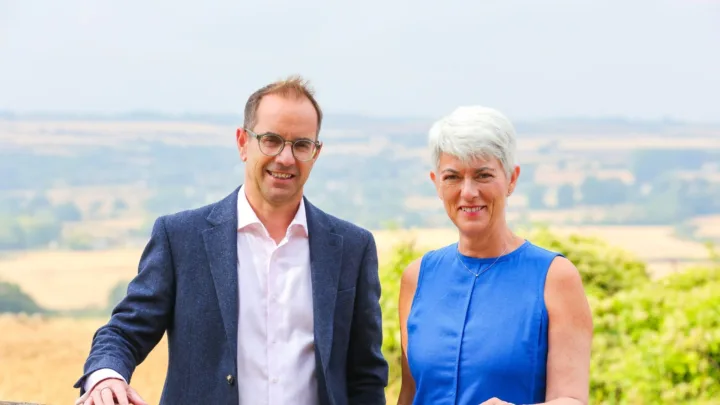
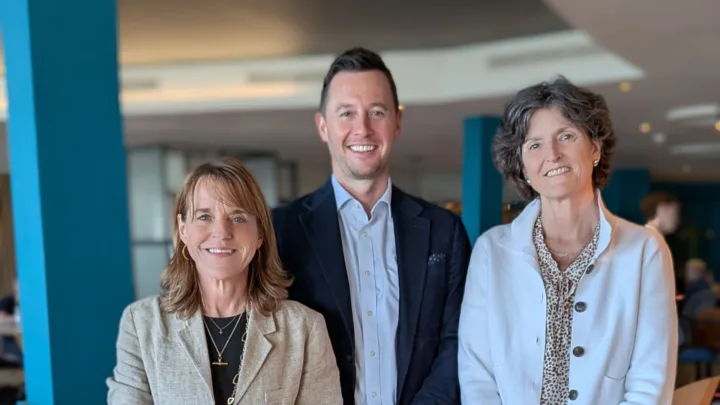
Commenting on the findings, Hayley Beer-Gamage said the annual survey offered important insight into both current performance and emerging risks facing the sector.
She said Oxfordshire’s visitor economy was continuing to work through a range of economic challenges while also preparing for what could become “a summer of uncertainty” shaped by the wider geopolitical climate.
Beer-Gamage added that Oxfordshire remained well positioned due to the breadth of its tourism offer and said the organisation would continue promoting the county through international and industry events including Greater Together Los Angeles with VisitBritain, The Meetings Show, CHS Manchester and Destination Britain New Zealand and Australia.
The findings paint a picture of a visitor economy that remains resilient but increasingly cautious, as businesses attempt to balance growth opportunities with economic volatility and changing consumer behaviour.