Councils across Oxfordshire and West Berkshire are working in close partnership as they await a key government announcement expected in July that will determine the future structure of local government in the area.
A statutory consultation on local government reorganisation (LGR) closed in late March, presenting three potential models for replacing the current two-tier system of county and district councils in Oxfordshire.
The process follows a wider government invitation issued in February 2025 for areas with similar structures to submit proposals for unitary local government arrangements.
The proposals under consideration are:
A single unitary authority, with an overarching body responsible for all services across Oxfordshire, replacing the existing structure entirely.
A two-unitary model, splitting responsibilities between:
- Oxford and Shires Council, combining Cherwell, Oxford City and West Oxfordshire district councils
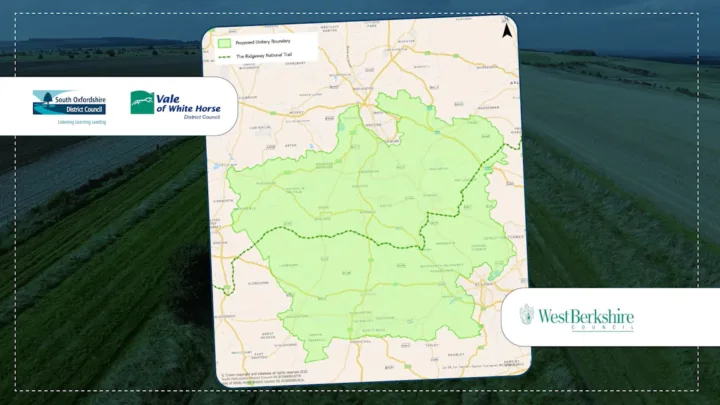
- Ridgeway Council, bringing together South Oxfordshire, Vale of White Horse and West Berkshire
A three-unitary model, creating:
- Greater Oxford Council, covering Oxford and surrounding areas
- Northern Oxfordshire Council, covering most of Cherwell and West Oxfordshire
- Ridgeway Council, covering South Oxfordshire, Vale of White Horse and West Berkshire
The final structure will not be confirmed until the government issues its ‘minded-to’ decision, a provisional preference that precedes formal legislation. This announcement is expected before the parliamentary summer recess begins on 16 July.
Leaders and chief executives from all affected councils, including Oxfordshire County Council and West Berkshire Council, say they have been working together through a joint programme since the start of the year to prepare for any outcome.
They have been gathering data, assessing service implications and modelling delivery options under each of the proposed structures. The aim, they say, is to ensure continuity of services and a smooth transition regardless of which option is ultimately chosen.
In a joint statement, council leaders said the priority remains maintaining high-quality services during any period of change, while preparing for significant organisational transition over the coming years.
They noted that similar restructures from two-tier to unitary systems have already taken place in other parts of England, or are currently underway, and that they will continue to follow established good practice throughout the process.
The councils also highlighted that, under any of the proposed models, services would be brought under a single authority per area, reducing duplication and potentially delivering financial savings that could be reinvested into local services. Town and parish councils would continue to operate, maintaining their role in delivering very local services.
Following the government’s ‘minded-to’ decision, a Structural Changes Order (SCO) is expected later in 2026 to set out the legal framework for implementation.
From there, councils will enter a formal transition phase, including preparations for the election of shadow authorities in May 2027. These interim bodies will begin taking on preparatory governance responsibilities ahead of full implementation.
The new unitary authority or authorities are expected to formally come into effect on 01 April 2028, marking the official vesting day for the restructured local government system in the area.
Read more: Ongoing coverage of the local government devolution proposals