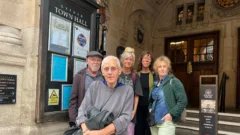
Plans to replace Oxfordshire’s existing council structure with three new unitary authorities will go ahead, the Government has confirmed, despite calls from the county council leader for the decision to be reconsidered.
The announcement means Oxfordshire County Council, Oxford City Council and the county’s district councils will be abolished and replaced by three new authorities from April 2028.
The changes form part of a wider national programme of local government reorganisation aimed at reducing the number of councils and creating larger unitary authorities responsible for delivering both county and district services.
The decision was confirmed by the then Secretary of State for Housing, Communities and Local Government, Steve Reed, on Thursday 16 July — the final day of Parliament before the summer recess.
Appeal to new Prime Minister rejected
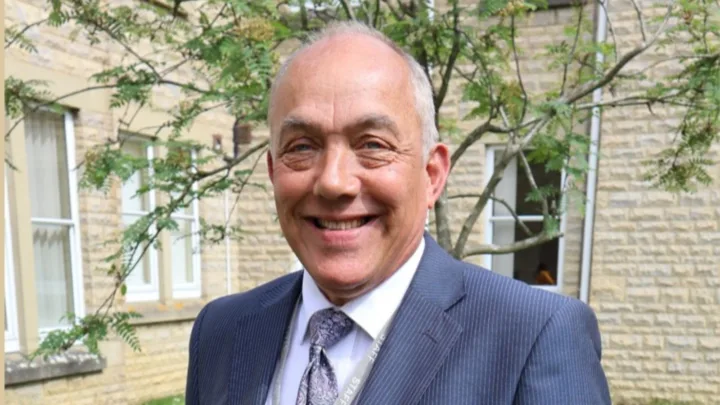
Following a change of Government leadership, Oxfordshire County Council leader Tim Bearder wrote to new Prime Minister Andy Burnham asking him to review the decision.
Mr Bearder argued that the choice to split Oxfordshire into three councils “makes no sense at all” and called for the decision to be reversed.
However, the Department for Housing, Communities and Local Government has confirmed ministers are now focused on implementing the agreed changes rather than reopening the decision.
A spokesperson said the Government is bringing forward structural change orders — the legal documents required to establish the new authorities — and is not reviewing the reorganisation decision for Oxfordshire or other areas affected by the reforms.
Three new councils confirmed
The Government has chosen a three-council model originally proposed by Oxford City Council rather than the county council’s alternative “One Oxfordshire” proposal.
Under the agreed structure, three new unitary authorities will be created:
- Greater Oxford Council
- North Oxfordshire Council
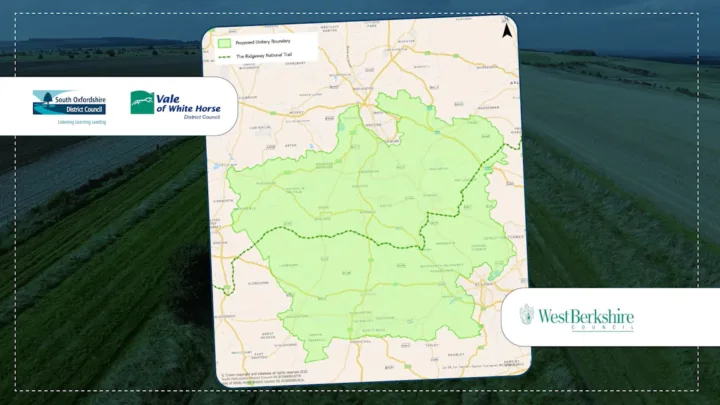
- Ridgeway Council, covering parts of Oxfordshire and West Berkshire
Each authority will take on responsibilities currently divided between county and district councils, including areas such as planning, transport, adult social care and other local services.
The existing council structure, which has been in place since the 1970s, will therefore come to an end.
Debate over the future shape of local government
Supporters of the three-council model argue it provides financially sustainable authorities while allowing communities to retain a stronger local identity.
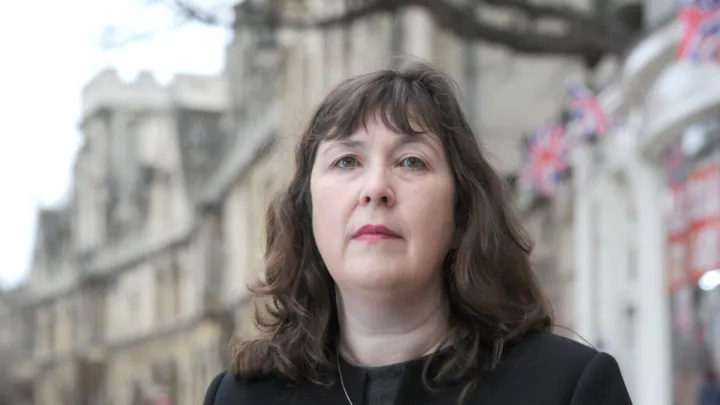
Oxford City Council leader Susan Brown highlighted estimated savings of almost £50 million under the proposal and said Greater Oxford could support further economic growth.
She said a single county-wide authority would have become one of the largest councils in England.
“One mega council across Oxfordshire would have been the second largest council in England after Birmingham and it would have stripped areas of local decision making,” she said.
Ms Brown added that the Government had been clear that councils needed to be financially stable while also reflecting the communities they represent.
What happens next?
The creation of the new authorities will continue through the legislative process, with shadow councils expected to be established before the new system formally begins on 1 April 2028.
Until then, Oxfordshire’s existing councils will continue operating, but preparations will begin for the transfer of responsibilities, staff, assets and services.
The reorganisation is expected to remain one of the most significant political issues in Oxfordshire over the coming years, with residents likely to see changes in how decisions about housing, infrastructure and public services are made locally.
Reporting contribution by Isabella Harris, Local Democracy Reporter (LDR) for Oxfordshire, covering local politics, council meetings and planning decisions across six councils in the county.