Cabinet papers approved when Oxford traffic filters were first signed off reveal councillors expected the scheme to reduce congestion and improve bus journeys, while also increasing traffic on parts of the city’s ring road and generating an annual surplus of more than £1 million from penalty charges.
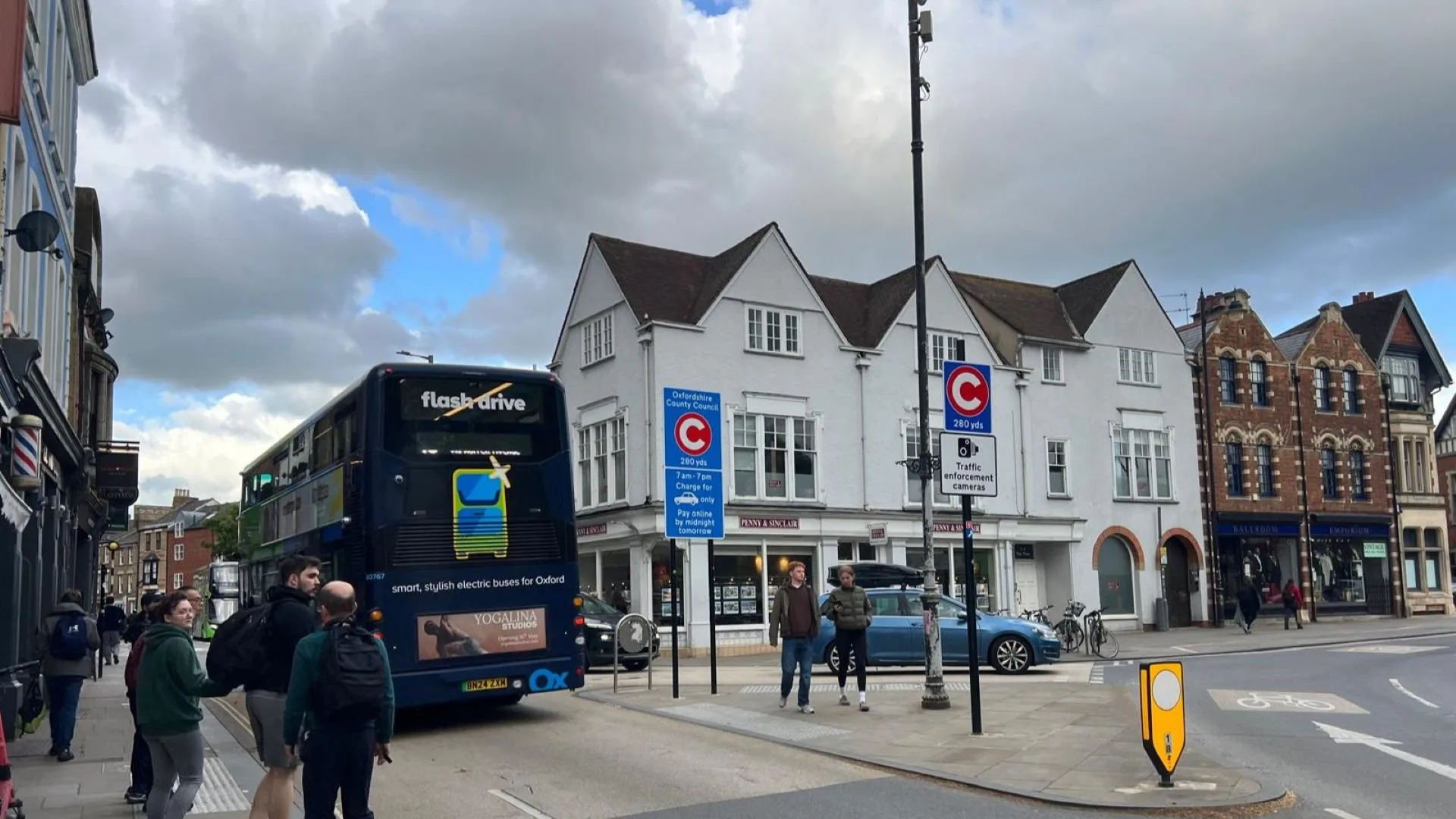
The long-delayed traffic filters are due to come into force on 14 September, replacing the temporary congestion charge introduced while Botley Road remained closed.
Originally approved by Oxfordshire County Council in November 2022, the scheme was postponed because of the long-running closure of Botley Road. An interim congestion charge, which allowed motorists to pay £5 to drive through the restricted routes during operating hours, was introduced instead.
Cabinet papers from an extraordinary meeting on 29 November 2022 set out the anticipated benefits and drawbacks considered by the Liberal Democrat-led Fair Deal Alliance administration before approving the project.
The report predicted traffic flows during the morning and evening peak periods would fall by around 20 per cent across Oxford and by 35 per cent in the city centre. It also forecast that bus journey times would improve by around 6.5 per cent, with greater use of the city’s Park and Ride services.
The documents suggested the scheme could reduce road casualties by around 34 each year, with more than half of those reductions involving cyclists. However, the report acknowledged the filters would also divert some traffic onto other routes.
It stated: “Traffic filters will cause some vehicles to divert via the ring road, potentially increasing the flows on the outer sections of some radial roads within the city and on the ring road,” with increases forecast on the A4144 Woodstock Road and Botley Road.
The cabinet papers also projected that penalty charges would generate an annual surplus of £1.156 million.
How the traffic filters will work
The traffic filters will replace the congestion charge from 14 September as part of an 18-month trial under an Experimental Traffic Regulation Order (ETRO).
The scheme will continue to use automatic number plate recognition (ANPR) cameras at the same locations, but motorists will no longer have the option of purchasing a £5 day permit to drive through the restrictions during operating hours.
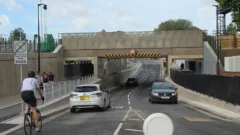
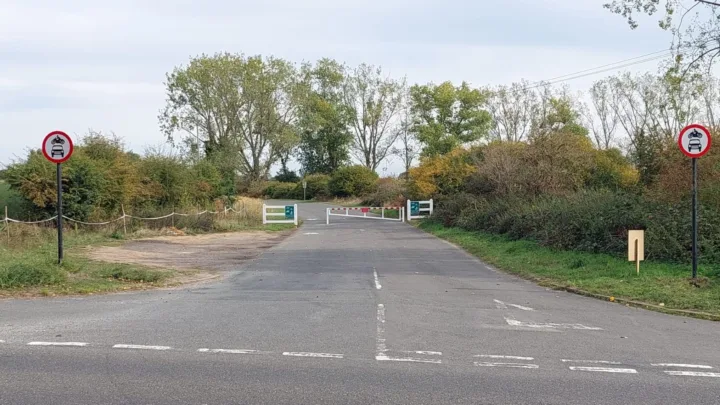
Cameras will operate on Hythe Bridge Street, St Cross Road, St Clement’s Street and Thames Street every day from 7.00am to 7.00pm. Cameras on Marston Ferry Road and Hollow Way will operate from 7.00am to 9.00am and from 3.00pm to 6.00pm, Monday to Saturday.
Drivers passing through a traffic filter during operating hours without a valid permit or exemption will receive a £70 penalty charge notice, reduced to £35 if paid within 21 days. If unpaid, the penalty can increase to £105 before progressing through the enforcement process.
For the first six months of the trial, drivers who pass through a filter without a permit for the first time will receive a warning letter instead of a fine.
Eligible Oxford and Oxfordshire residents will receive free virtual day permits, allowing them to drive through the filters either 100 days or 25 days each year, depending on where they live. Additional permits will be available for groups including carers, frequent hospital patients and some children with special educational needs.
Motorcycles, mopeds, scooters, vans and lorries will be exempt from the permit requirement, although electric cars will not receive any special exemption.
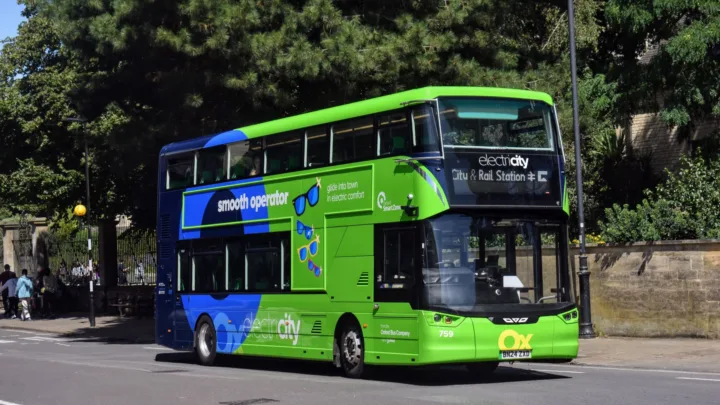
The scheme, previously referred to as bus gates, was developed to help Oxfordshire meet traffic reduction targets linked to securing government funding for electric buses.
The experimental scheme will run for 18 months, with a formal six-month public consultation beginning when it starts. At the end of the trial, Oxfordshire County Council will decide whether to make the traffic filters permanent, amend the scheme or remove it.
Reporting contribution by Isabella Harris, Local Democracy Reporter (LDR) for Oxfordshire, covering local politics, council meetings and planning decisions across six councils in the county.