Plans to allocate land for a potential new fire station within a major “innovation district” in north Oxford have reignited political tensions and revived fears that previously paused fire service cuts could return.
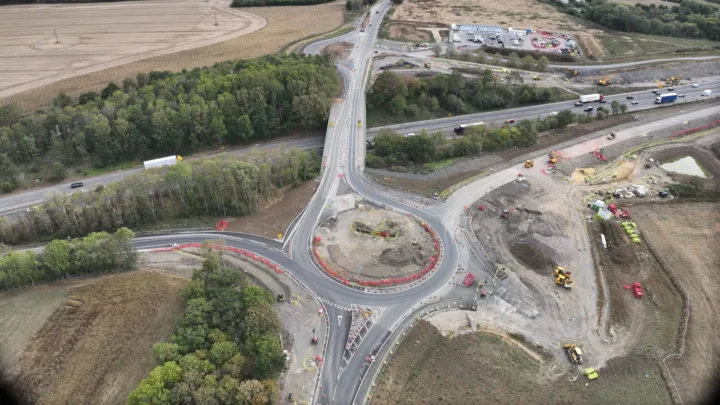
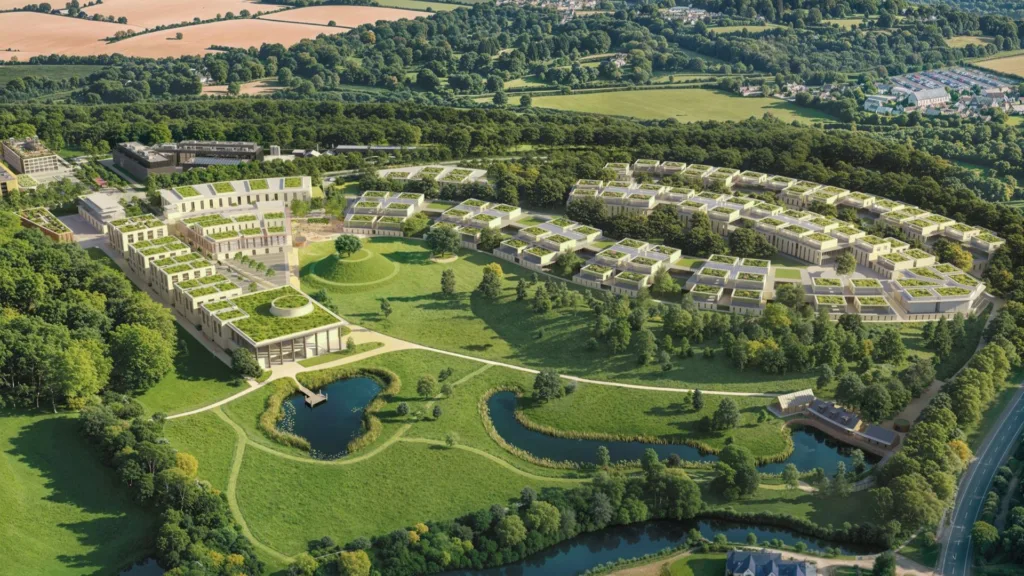
The £900 million Frieze Farm science park proposal, submitted to Cherwell District Council, includes provision for a 900sqm gross external area earmarked as a possible site for a future fire station.
The wider development near Peartree Roundabout would also include a data centre, hotel, education facilities and housing, forming a significant new urban extension on Oxford’s northern edge.
Developers stated that, following early discussions with Oxfordshire County Council, the site was considered potentially suitable due to its strong transport links. However, the planning documents stress there are currently no firm proposals to build a station, and the land is simply being safeguarded to “provide flexibility” for future emergency service provision.
The inclusion has nevertheless sparked concern among councillors and fire service stakeholders, coming less than a year after controversial plans to close several on-call stations were paused.
Last year, Oxfordshire County Council proposed cuts to fire services that included the closure of Rewley Road Fire Station and Kidlington Fire Station. The proposals triggered strong opposition from firefighters, residents and unions, alongside warnings of potential strike action.
The plan was formally paused in April 2026, with officials citing uncertainty around developer negotiations linked to securing a replacement fire station in north Oxford. But the emergence of the Frieze Farm proposal has revived anxieties that the original closure strategy has not been abandoned.
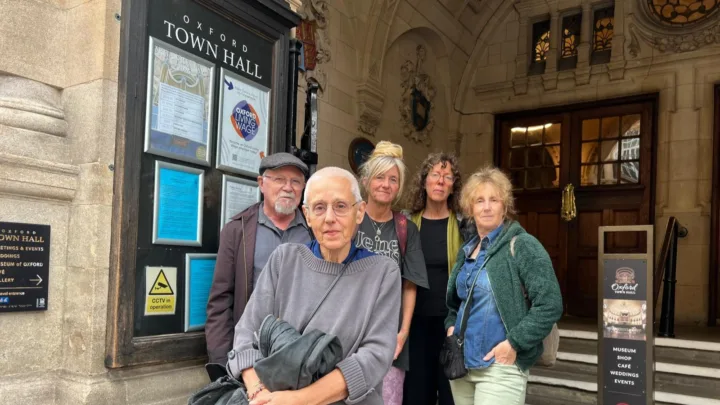
Labour group leader Liz Brighouse said the earlier pause had given many the impression the issue was resolved.
“When plans were pulled back previously everybody breathed a sigh of relief and thought it had gone away, but of course it hadn’t,” she said.
She warned that removing Rewley Road would leave a significant gap in emergency cover for central Oxford, highlighting the city’s dense concentration of colleges, laboratories and student population.
“To take away the fire station that actually serves that area, to me, is just madness,” she said, adding concerns about hazardous materials stored within research facilities across the city.
Green group leader and Cherwell councillor Ian Middleton also described the situation as “concerning”, suggesting that the closure of existing stations remains an active ambition within the council’s thinking.
He said discussions with senior fire leadership had reinforced his concerns, particularly around access and congestion issues in north Oxford. He also pointed to wider transport pressures, including major roundabouts and the potential for increased traffic linked to large-scale developments such as the proposed Oxford United stadium.
From the opposition benches, Conservative councillor Thomas Ashby criticised the original closure proposals as “ludicrous”, but acknowledged that ongoing development would inevitably increase demand for emergency services across the region.
The Fire Brigades Union, represented locally by acting brigade secretary Jonathan Shuker, said it was monitoring developments closely. Speaking on behalf of Fire Brigades Union, he said that while the Frieze Farm plans remain speculative, any progression would trigger consultation with members.
Meanwhile, Oxfordshire Fire and Rescue Service said the idea of a northern fire station remains under consideration as part of its wider service review.
Officials said previous consultation work identified operational advantages to having a station positioned towards the north of Oxford, but emphasised that no final decisions have been made regarding either the Frieze Farm proposal or the future of existing stations.
As things stand, the Frieze Farm allocation remains a flexible planning safeguard rather than a confirmed project. But in a city where emergency service coverage is already politically sensitive, even a hypothetical station has been enough to reopen a long-running and increasingly heated debate.
Reporting contribution by Isabella Harris, Local Democracy Reporter (LDR) for Oxfordshire, covering local politics, council meetings and planning decisions across six councils in the county.