An Oxford-based law firm is urging local couples to respond to a Government consultation that could significantly change the financial and inheritance rights of people who live together without marrying or entering a civil partnership.
Thousands of couples across Oxfordshire could be affected by proposed changes to the law governing what happens when a cohabiting relationship ends or one partner dies.
The Government’s consultation, A Fairer End to Relationships, closes on 14 August 2026 and is considering reforms to the financial protections available to cohabiting couples in England and Wales.
The consultation comes as cohabitation has become an increasingly common part of family life. Government figures put the number of couples living together without marriage or a civil partnership at around 3.5 million, more than twice the number three decades ago. The Government says the figure could rise further, with projections suggesting that one in four families could be cohabiting by 2031.
Oxford-based law firm Gardner Leader is encouraging people who live with a partner to take part in the consultation, arguing that the debate should reflect the experiences and views of couples themselves, rather than being shaped solely by lawyers and other specialists.
The proposed reforms would introduce a new legal framework for financial provision for qualifying cohabitants when relationships end. Among the proposals being considered are rights that could apply after a period of cohabitation or where a couple has a child together, with courts potentially given powers concerning property and other financial resources.
The Government says the current system can leave cohabitants with limited financial protection when relationships end, particularly where there are children or significant differences in the financial circumstances of the partners.
No such thing as a ‘common-law marriage’
One of the issues highlighted by Gardner Leader is the widespread misconception that couples automatically acquire rights similar to married couples simply by living together for a long period.
There is currently no legal status of ‘common-law marriage’ in England and Wales, regardless of how long a couple has lived together or whether they have children.
That can become particularly important when a relationship ends. Disputes can involve the ownership of a home, contributions to property, investments, pensions and inheritance, with unmarried couples currently operating under a different legal framework from those who are married or in a civil partnership.
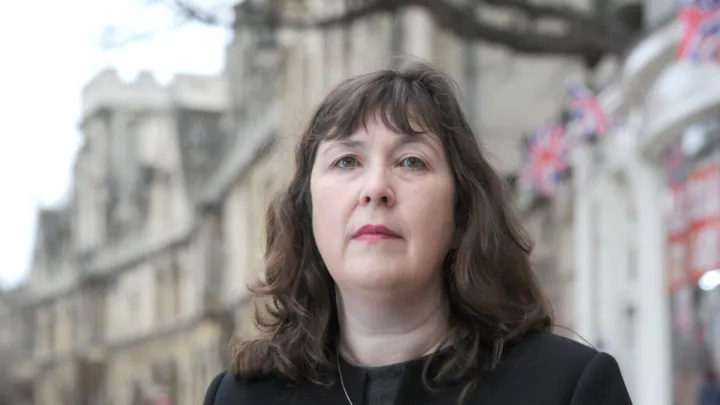
Suzy Hamshaw, a partner in Gardner Leader’s Family team, said the proposed reforms raised important questions about how much protection should arise automatically and how much responsibility should remain with individuals to make their own arrangements.
She also pointed to the fact that cohabitation is not necessarily a stepping stone to marriage for every couple.
Some people deliberately choose not to marry because they want to retain financial independence or protect assets built up through previous relationships, inheritance, businesses or personal investments.
That makes the Government’s consultation a debate not simply about extending rights, but about where the balance should lie between protection and individual choice.
What could change?
The Government’s consultation covers three connected areas of family law: financial remedies on divorce and dissolution, financial provision for cohabitants following separation, and inheritance provision for cohabitants following death.
For cohabiting couples, the proposals are potentially significant because there is currently no dedicated statutory framework governing financial arrangements when an unmarried relationship ends.
The Government’s stated aim is to create a clearer and fairer system while recognising that cohabitation is different from marriage.
The reforms remain proposals at this stage. The consultation is intended to gather views before the Government decides what changes, if any, should be taken forward.
For Oxfordshire couples, that means the immediate issue is less about a change in the law today and more about making their views known while the opportunity remains.
The consultation is open to members of the public as well as legal professionals, academics and organisations, and closes on Friday 14 August 2026.
Cohabiting couples who want to respond can take part through the Government’s A Fairer End to Relationships consultation.