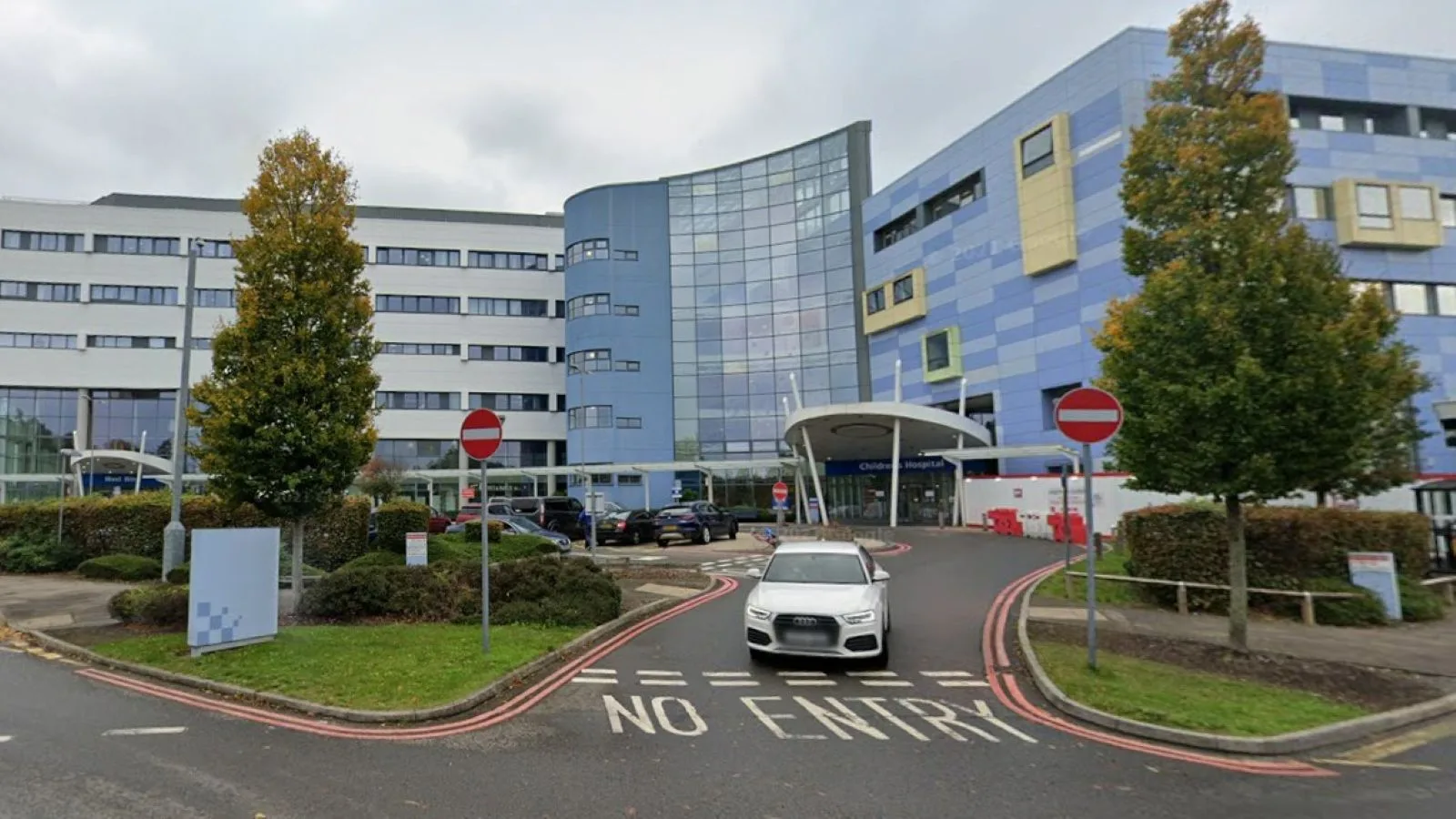
A retrospective planning application for new gas infrastructure at the John Radcliffe Hospital has opened a new dispute over the treatment of green space on the Headington site, with a local heritage group calling for land to be restored after works were completed.
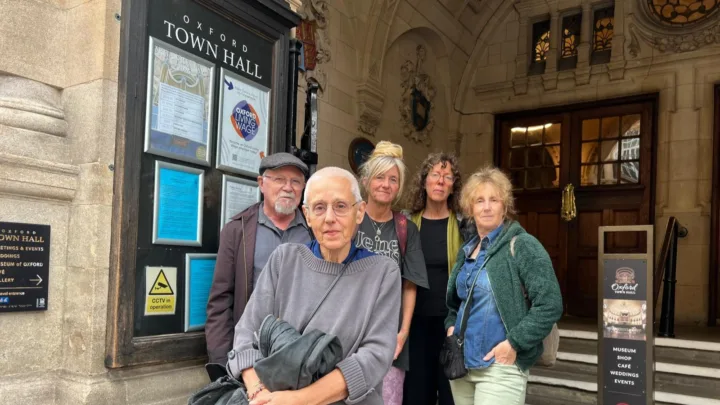
Headington Heritage has objected to the proposal following the demolition of a greenhouse and installation of gas infrastructure. The group says the works resulted in the loss of what it describes as a “large area of greenery” and argues that the planning process should not be used to retrospectively regularise development.
In its objection, the group called for the retrospective application to be refused and for the previous condition of the site to be reinstated. It also argued that the development had taken place without the necessary conservation area and planning consents.
Those assertions are part of the heritage group’s objection; the planning application itself provides a different account of why the infrastructure was required and where it needed to be located.
The application has been submitted on behalf of Oxford University Hospitals NHS Foundation Trust. A planning statement prepared by Carter Jonas says the hospital’s existing gas metering installation dates from the 1960s and has been identified by National Gas and the Meter Asset Manager as presenting a critical security-of-supply risk.
The statement says the proposed infrastructure is intended to provide an ongoing safe and reliable gas supply to the hospital.
Several alternative locations were considered, according to the planning documents, but were discounted because they would have required longer and more complicated diversions from the existing gas network. The trust’s consultants said those alternatives could have increased construction and commissioning risks, extended delivery times, raised costs and created additional disruption to hospital operations.
Site-specific constraints, including access, underground services and planning considerations, were also cited as limiting the suitability of alternative locations.
The plans include measures intended to mitigate the impact of the completed works. Several replacement trees and an extension to woodland are proposed, alongside changes intended to address the solid surface created on the site.
That surface had subsequently become overspill parking for hospital staff, adding another dimension to an already contentious issue around access and parking at the John Radcliffe.
The trust had previously submitted a separate proposal seeking to formalise the use of 16 parking spaces at the site. That application has since been withdrawn following discussions with Oxford City Council.
Parking at the John Radcliffe has become a source of growing local frustration, with patients, relatives and staff describing difficulties accessing the hospital. A petition calling for improvements to parking and access has attracted close to 1,500 signatures in recent weeks.
Anna Railton, deputy leader of Oxford City Council, has argued against simply increasing the number of spaces, saying the issue involves balancing parking pressure with congestion and making it easier for staff, patients and visitors to reach the hospital by other means.
The latest application therefore sits within a wider debate about how one of Oxford’s largest healthcare sites accommodates essential infrastructure, green space, parking and access.
For Headington Heritage, however, the immediate question is whether the changes already made to the site should now be approved retrospectively. The group argues that allowing completed works to be regularised after the event would undermine the planning system.
The trust’s planning case instead centres on the condition and limitations of the existing gas installation and the need to maintain a reliable supply to the hospital.
The application will now be considered through the planning process, where the competing considerations — including infrastructure requirements, the treatment of the site and the planning history of the works — can be assessed.
Reporting contribution by Isabella Harris, Local Democracy Reporter (LDR) for Oxfordshire, covering local politics, council meetings and planning decisions across six councils in the county.