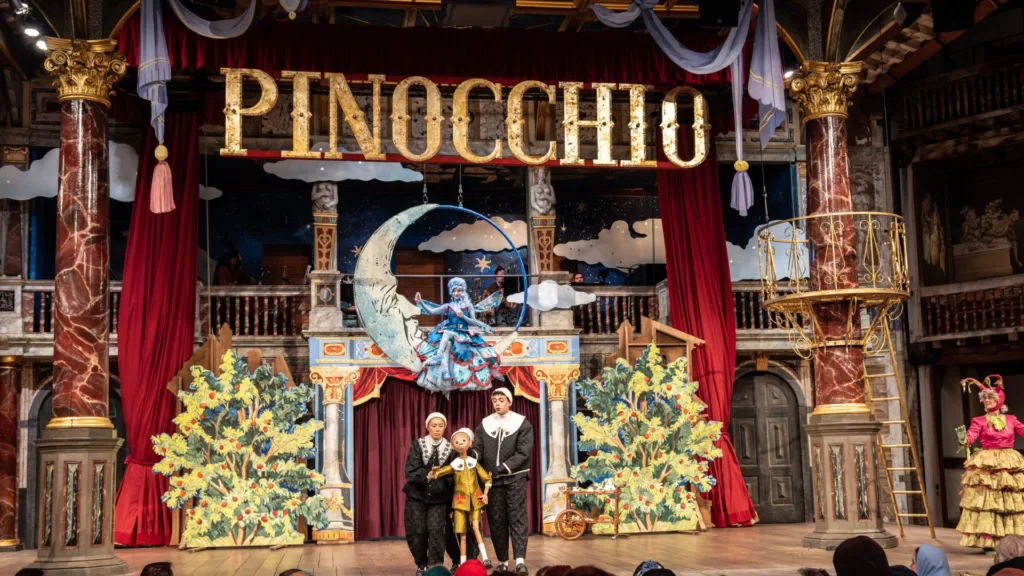
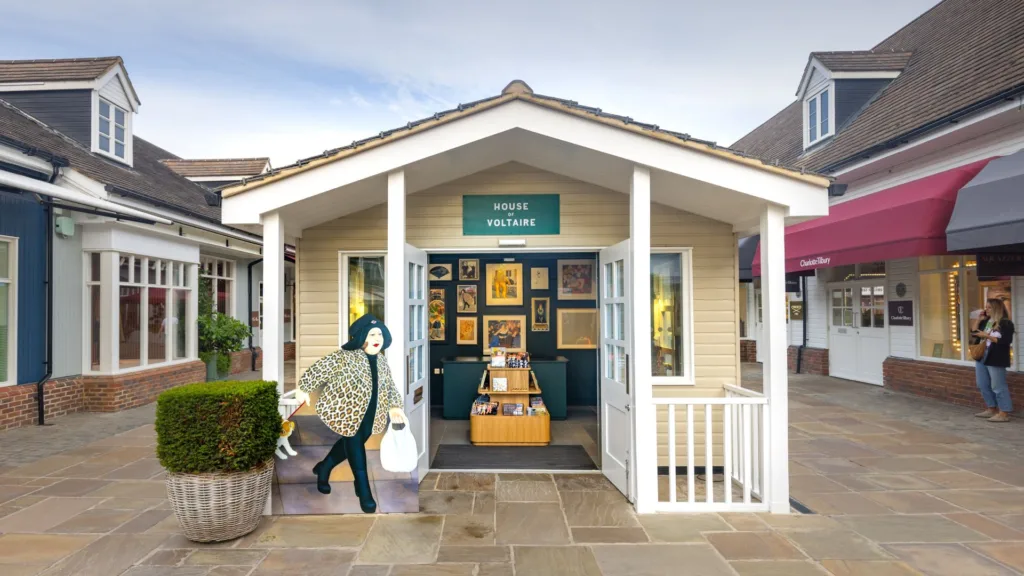
There is a certain kind of English weekend that doesn’t present itself as an itinerary. It unfolds instead as atmosphere, as rhythm, as a sequence of places that feel as though they have always been connected, even if you have only just arrived. It is a weekend that moves easily between contiguous worlds, each distinct in character but quietly aligned in tone and intent.
Between Oxford and the Cotswolds, of continuity is particularly pronounced. One is shaped by intellect, hierarchy and inherited gravity; the other by space, visibility and the soft performance of leisure. Together, they form a circuit of English life at its most composed — a world where nothing ever feels entirely accidental, not unlike the world of Rivals.
Friday: Oxford, where everything begins with a conversation.
There is a certain kind of English weekend that doesn’t present itself as an itinerary at all. It unfolds instead as atmosphere, as rhythm, as a sequence of places that feel as though they have always been connected, even if you have only just arrived.

Between Oxford and the Cotswolds, that feeling becomes particularly pronounced. One is built on intellect, hierarchy and inherited gravity. The other on space, visibility and the soft performance of leisure. Together, they form a circuit that feels not far removed from the world of Rivals: polished, competitive, and always slightly aware of itself.
Oxford does not so much welcome visitors as absorb them into its existing order. Arrival is everything here, and where you choose to stay quietly sets the tone for what follows.
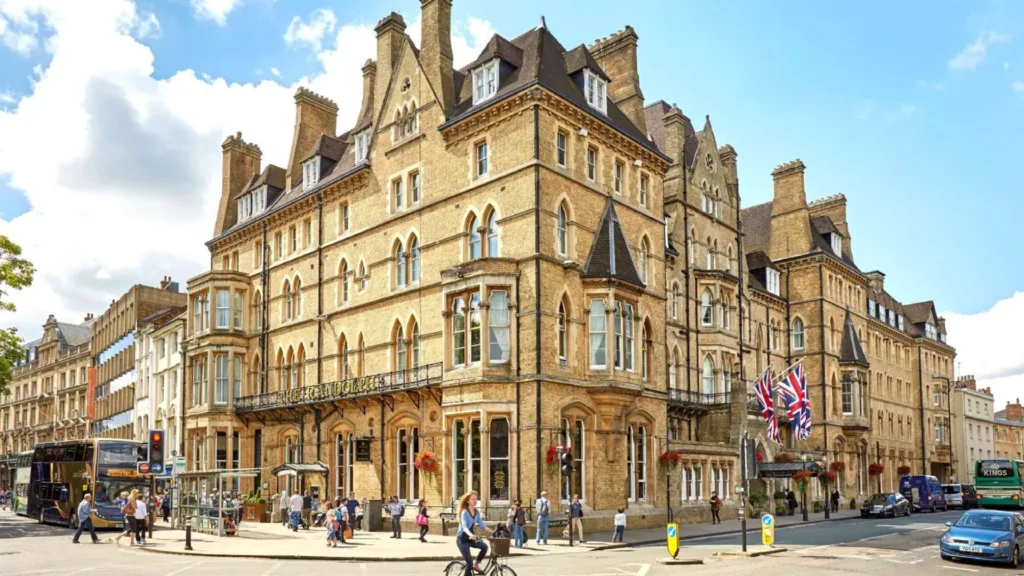
At The Randolph Hotel, the experience is immediate and composed. There is a theatricality to the building that never tips into performance, as though grandeur is simply part of its language. Inside, the atmosphere feels suspended in conversation, as if nothing in the building ever quite begins or ends, but instead continues in carefully maintained flow.
A short walk away, the Old Bank Hotel offers a different register. It is lighter, more contemporary in its sensibility, and positioned directly on the High Street, where the city’s rhythm is constantly in motion. There is a sense here of proximity rather than enclosure, of being close to everything without needing to participate in all of it at once.
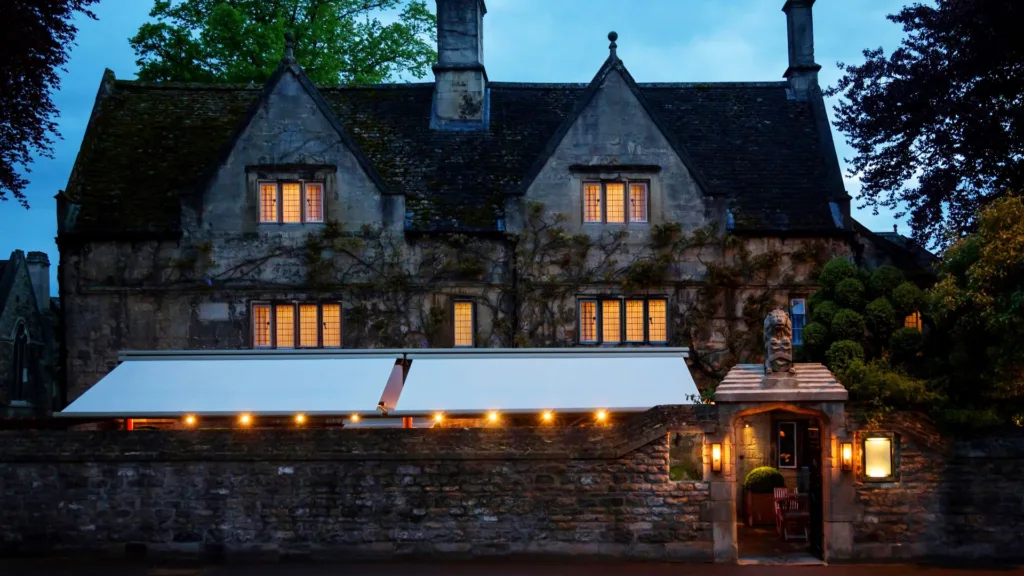
Further along, Old Parsonage Hotel brings a quieter, more private cadence. It feels removed from the city’s sharper edges, with interiors that encourage slower conversation and longer pauses. It is the sort of place where discretion feels less like an offering and more like a design principle.
For a more contemporary interpretation of Oxford hospitality, The Store Hotel introduces a different energy entirely. There is a modernity to it that feels intentional rather than decorative, attracting a crowd for whom aesthetics, conversation and positioning are often intertwined.
By late afternoon, Oxford reveals a different kind of depth. A visit to the Ashmolean Museum feels almost essential to the rhythm of the day, not as a formal stop but as a moment of recalibration. Within its galleries, time is arranged rather than linear, and history feels less like something observed and more like something still being actively organised.

For those who want to lean further into Oxford’s layered identity, an alternative afternoon unfolds within its collegiate core. Entry is often dependent on opening times and visitor access, so it requires checking in advance, but when available, a slow circuit of the older, more picturesque colleges becomes one of the most atmospheric experiences in the city.
Magdalen College offers riverside walks and cloistered quiet that feel almost cinematic in their stillness. Christ Church College carries a more grand, architectural presence, where scale and ceremony dominate. St John’s College feels more contained, almost private, in its courtyards and lawns, while Trinity College offers a quieter elegance that rewards slow observation rather than hurried passing.

Stepping back out from the colleges, Oxford feels subtly recalibrated – less like a city being visited, and more like one being read.
Dinner in Oxford does not rely on spectacle. Instead, it relies on positioning, proximity and the quiet awareness that conversations often matter more than courses.
At Quod Restaurant & Bar, the energy is central and lightly theatrical, with the High Street just beyond the windows providing a constant sense of movement and observation. At The Old Parsonage Brasserie in Oxford, the tone becomes more subdued and atmospheric, extending the intimacy of the hotel into the evening.
For something more informal and storied, Turf Tavern offers a hidden, almost mythologised version of the city, where the setting feels as important as the gathering itself. Alternatively, No. 1 Ship Street provides a more contemporary expression of British dining, precise without being performative.
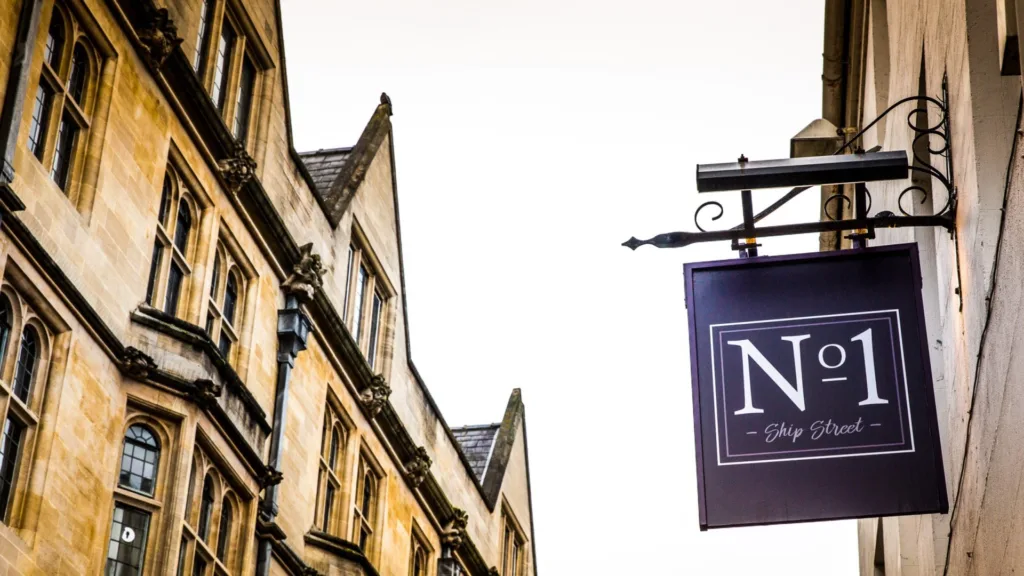
By the time the evening settles, Oxford has already done what it does best. Nothing feels explicitly resolved, yet everything feels quietly understood.
Saturday: The Cotswolds, where visibility becomes a language.
Leaving Oxford is less a departure than a shift in register. The road outward softens the city’s structure into something more open, more expansive, and more deliberately uncontained.
The day begins with arrival at the modern country-house circuit, and nowhere captures its tone more precisely than Estelle Manor, Oxfordshire. It is a place that understands balance as its defining aesthetic – composed but never rigid, indulgent yet controlled.
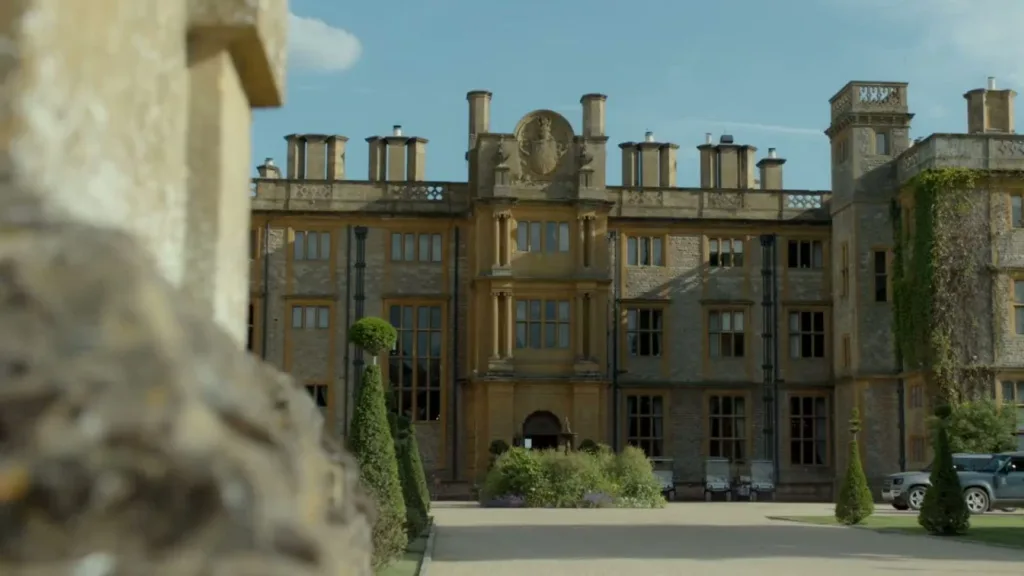
Long lunches drift into spa time and then into conversation again, as if the day has been designed to blur its own edges. There is a carefully maintained sense of effortlessness here, the kind that only works because so much has been quietly arranged beneath the surface.
Yet Estelle Manor is only one interpretation of how a Saturday in the Cotswolds might begin. The choice of base subtly reshapes the entire rhythm of the day, and each alternative brings its own register of tone and social energy.
At Soho Farmhouse, the atmosphere shifts towards something more informal and creatively charged. It feels less like a country house and more like a private social ecosystem – cabins scattered through woodland, shared spaces that encourage drift and encounter, and a guest list that leans towards media, design and cultural industries. The tone here is deliberately unpolished, but no less curated for it.
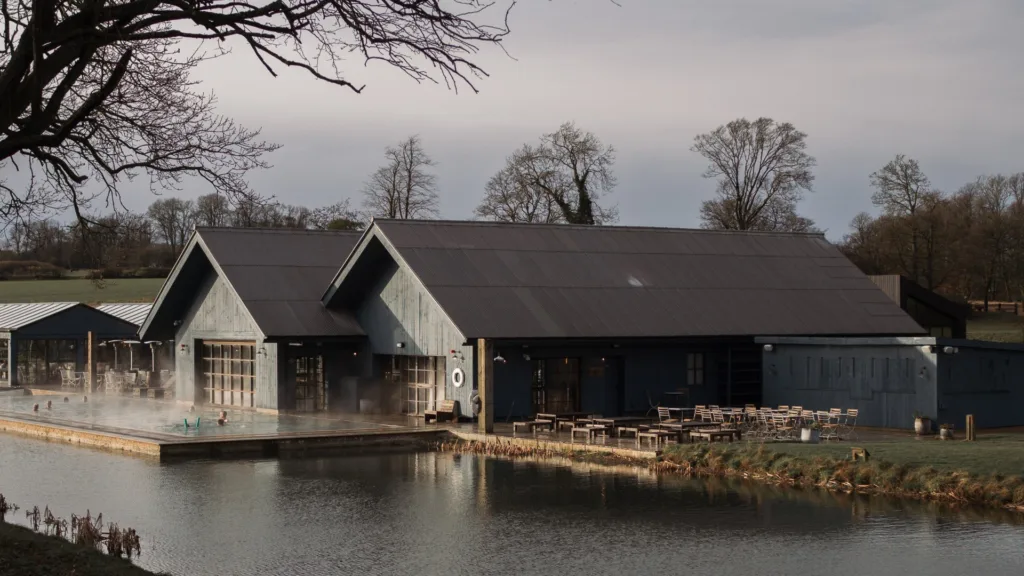
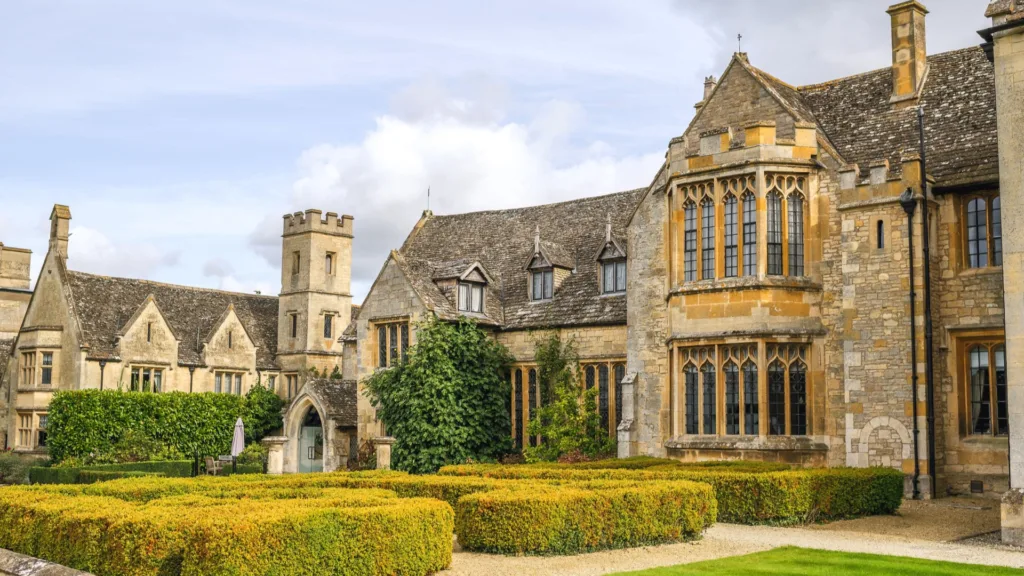
Further along the spectrum sits Ellenborough Park, where the mood becomes more classical in its country-house expression. Set within its own estate, it carries a quieter sense of separation from the outside world. The rhythm is slower, more traditional, and shaped by space rather than social flow – a setting where leisure feels framed by landscape rather than activity.
For something with more heritage weight and a sense of continuity, The Lygon Arms in Broadway offers a different kind of presence altogether. Centuries of layered history sit behind its walls, giving it a grounded, almost narrative quality. It feels less designed around contemporary lifestyle and more shaped by time itself – a place where discretion and longevity carry their own quiet authority.
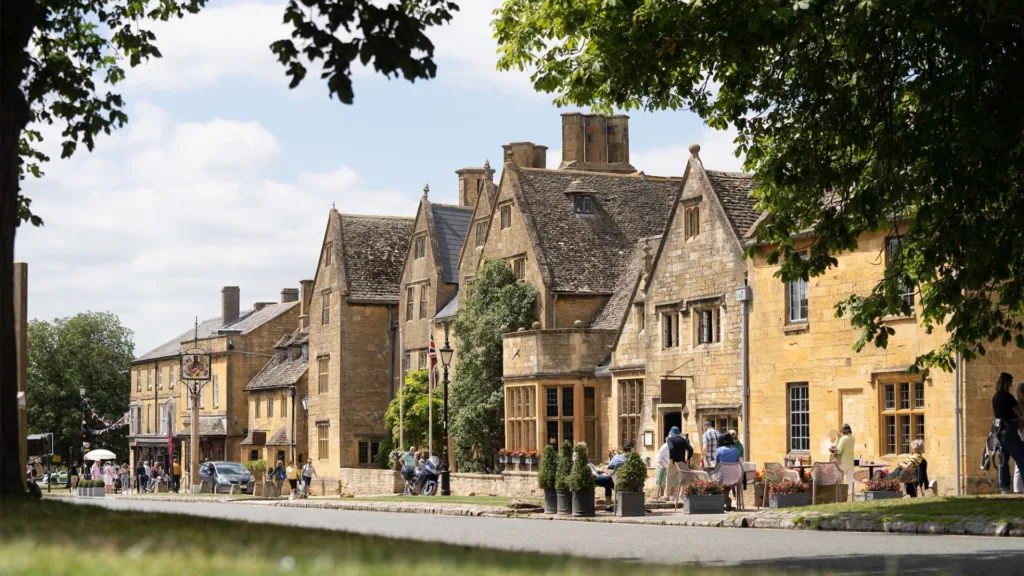
From there, the landscape takes over and the afternoon unfolds as a loose sequence rather than a fixed plan. At Daylesford Organic Farm Shop, Kingham, the experience is less about commerce and more about cultural signalling. Everything feels observed and intentional, from arrival to departure, as though presence itself carries meaning.
At the more restorative end of the spectrum, Thyme in Southrop introduces a quieter register altogether. Here, the rhythm slows. Gardens, kitchen gardens, spa spaces and softly composed interiors create an estate that feels less about social performance and more about absorption into the landscape itself. It is a different kind of country-house experience — still curated, but deliberately subdued, as though the noise of the wider circuit has been briefly turned down.
Spa-led pauses at estates such as Ellenborough Park in Cheltenham offer a more traditional sense of countryside leisure, while village circuits through places like Broadway and Chipping Campden introduce a slower rhythm of movement and observation. Seasonal sporting fixtures, where available, or informal terrace gatherings add another layer of social choreography, where visibility is subtle but never incidental.
Venture to the Cotswolds Distillery in charming Stourton, which boasts a warehouse, cafe, shop, terrace and brand-new distillery bar and cocktail experience – The Hidden Still, for a tour of the distillery and cask warehouse, and a detailed account of how their award-winning spirits are crafted, followed by a sample of spirits and liqueurs.
As evening falls, the easy drift of the afternoon tightens into something more deliberate, as if the countryside itself is beginning to choose its cast for the night. Conversations become more intentional, arrivals more carefully timed, and the idea of “dinner” shifts from nourishment into positioning.
From here, the Cotswolds offers several distinct expressions of that ritual, each with its own interpretation of what an English evening should feel like.
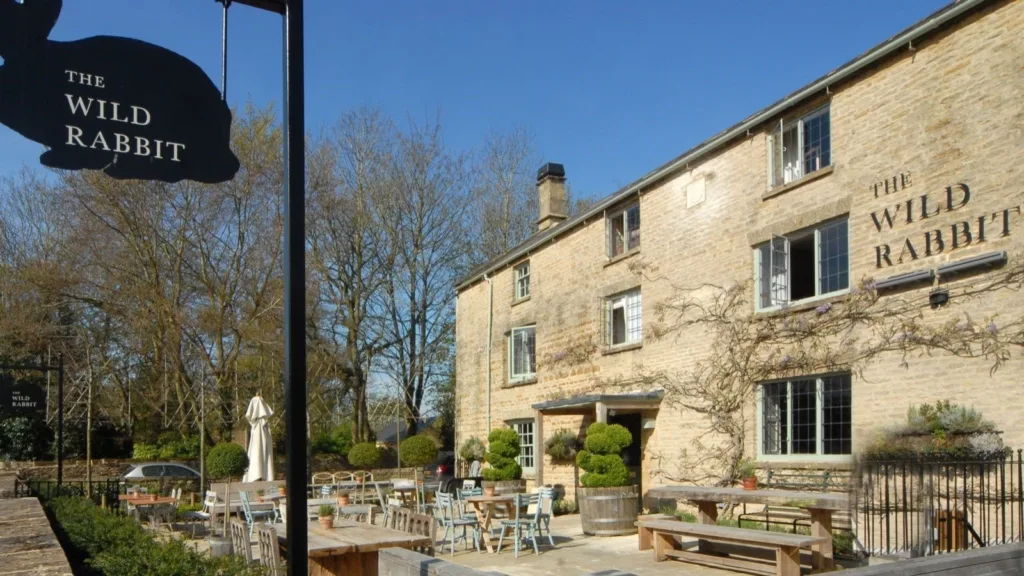
At The Wild Rabbit in Kingham, the mood is quietly assured – a modern gastropub that understands restraint as a form of luxury. Stone, candlelight, and considered plates create an atmosphere where everything feels slightly softened at the edges, as though the conversation matters more than anything coming out of the kitchen.
A short distance away, The Feathered Nest Country Inn at Nether Westcote offers a more elevated, panoramic version of the same idea. Perched above the Evenlode valleys, it carries a sense of scale and stillness, where the view becomes part of the dining experience and the evening stretches outward rather than inward.
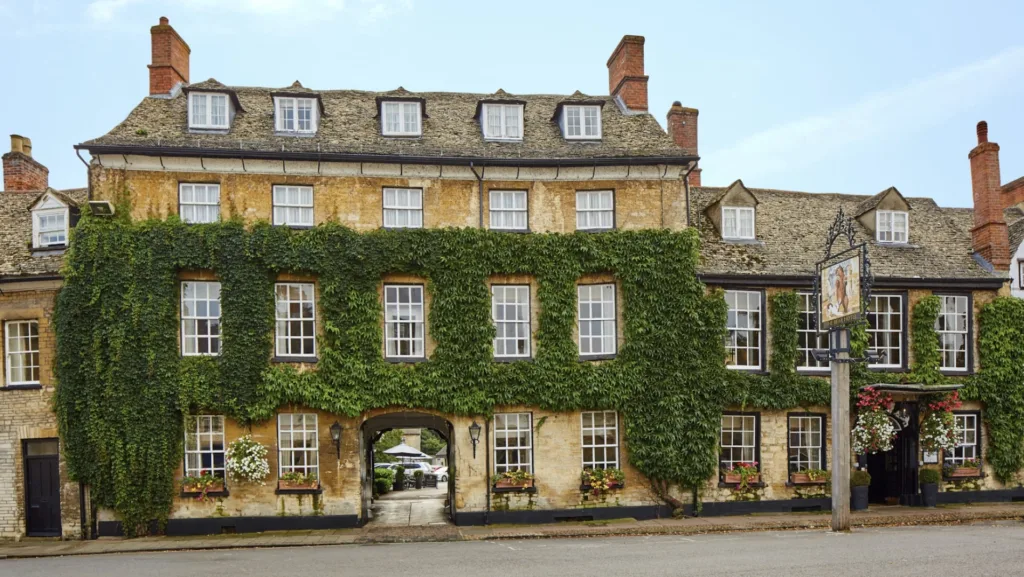
For something with greater informality but no less confidence, The Lamb Inn at Burford brings a more traditional countrypub energy into the mix. There is warmth here rather than polish, a sense of continuity rather than reinvention, and the feeling that this is where local rhythm and visiting ambition briefly overlap.
And if you prefer a note of contemporary refinement, The Bull at Charlbury sits comfortably within the modern Cotswolds circuit. It is sociable without being loud, stylish without feeling curated, and the sort of place where tables seem to fill in a pattern that suggests who arrived when, and with whom.

Taken together, these are not simply dinner options but different interpretations of the same idea: that in this landscape, evening is never just an ending. It is a recalibration of presence, where who you are sitting with matters almost as much as where you are sitting.
Sunday – Blenheim, scale, and the soft ending of a performance.
By Sunday, the weekend begins to settle into a different register altogether. The focus shifts from movement to scale, from positioning to perspective.
At Blenheim Palace, that shift becomes immediate. Designed landscapes by Capability Brown unfold with a kind of controlled naturalism that reframes everything that has come before it. Lakes, lawns and tree lines extend with deliberate ease, not to impress but to establish proportion. Here, leisure feels secondary to scale, and scale feels inseparable from history.
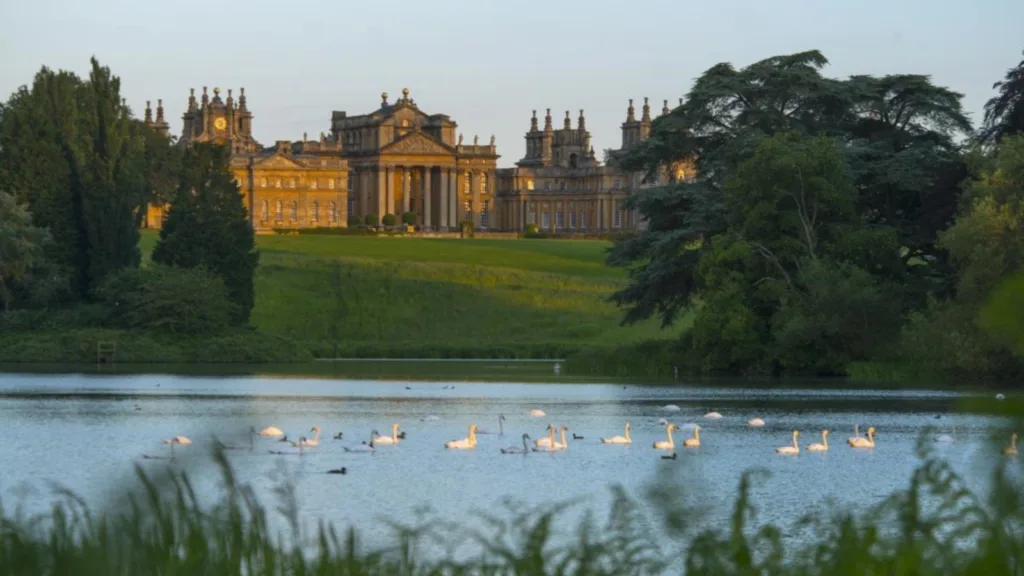
As the afternoon draws in, the tone softens into ritual. Sunday slows almost imperceptibly, as though the landscape itself is exhaling after the pace of the weekend. What remains is not activity, but atmosphere — a final, unhurried pause before the return to the everyday.
Close to Blenheim Palace, afternoon tea or a late brunch takes on a more grounded, local elegance, where proximity to the estate shapes the experience as much as the setting itself.
At The Aviary at The Feathers, the ritual feels naturally aligned with its surroundings. Just moments from the palace gates, it offers a composed, contemporary interpretation of country-house dining — refined without excess, and relaxed without losing structure. It is the kind of setting where Sunday feels gently extended rather than formally observed.

A short distance away in the same historic market town, The Woodstock Arms brings a more traditional, grounded version of the occasion. Here, the atmosphere leans into classic British warmth — a reassuring counterpoint to the grandeur of Blenheim itself, where brunch or tea feels less staged and more instinctively local, as though it has always belonged to the rhythm of the town.
For something with a slightly more elevated, hotel-led cadence, The Macdonald Bear Hotel, Woodstock offers a heritage setting that sits comfortably within the Blenheim orbit. Tucked into the centre of Woodstock, it carries the weight of history in its walls, and afternoon tea here feels quietly composed — panelled rooms, soft light, and a sense that Sunday has been carefully slowed rather than simply allowed to fade.
Alternatively, the weekend can turn back towards the city, where afternoon tea becomes a return to structure after openness. At The Alice Restaurant at The Randolph, it carries a sense of symmetry, as though the weekend is gently looping back to where it began.
In a more contemporary vein, The Store, Oxford offers a lighter, more modern interpretation of the ritual, where sips and scavenger bites are served in its vast ground-floor bar and snug area overlooking bustling Broad Street. The bar menu is seasonal and ever-changing, shifting with the rhythm of the kitchen rather than tradition, creating a more fluid, informal way to close the day.

What lingers at the end of the weekend is not a sequence of places, but a pattern of behaviour. Oxford’s layered intelligence, the Cotswolds’ curated visibility, and the quiet grandeur of the country-house circuit all begin to blur into something more atmospheric than logistical. It is a rhythm built on arrival and observation, on who is seen where, and how effortlessly they seem to belong there.
In that sense, the experience mirrors the world of Rivals not through plot, but through tone. Nothing is ever quite incidental, yet nothing is fully declared. Power is implied in dinner reservations, in the choice of a hotel bar, in the length of a lunch that was never meant to end at a fixed time. Conversation becomes currency, and setting becomes strategy.
By the time the weekend dissolves back into everyday life, there is no single defining moment to point to – only a collection of rooms, landscapes and tables that felt briefly arranged around you. And perhaps that is the closest echo of Rivals itself: a world where everything appears effortless on the surface, while beneath it, everything is quietly positioned.