Oxford is set to introduce a congestion charge for the first time after Oxfordshire County Council’s cabinet voted unanimously to approve a £5 daily fee for motorists using six key city roads, according to our Local Democracy Reporter Esme Kenney.
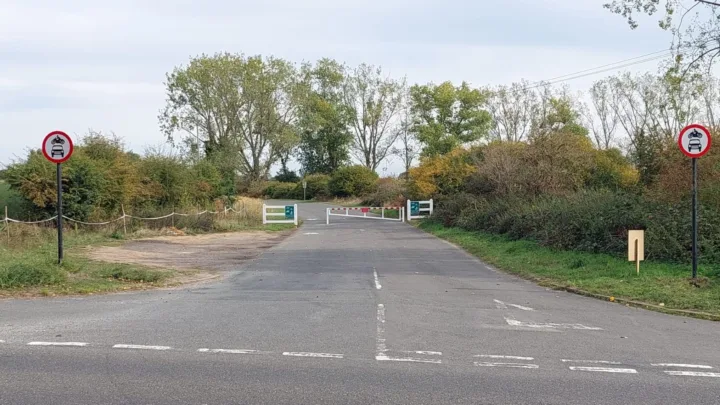
The charge, which will come into force no later than 10 November 2025, applies to Hythe Bridge Street, St Cross Road, Thames Street and St Clement’s Street between 7.00am and 7.00pm daily, as well as Marston Ferry Road and Hollow Way during weekday peak hours. Exemptions include blue badge holders, emergency services and vehicles used for essential business purposes.
The decision, made on Wednesday 10 September, followed months of heated debate. Consultation responses revealed that 74 per cent of participants believed the scheme would have a negative impact, while a petition against it gathered more than 13,500 signatures. Business groups, schools and Oxford City Council expressed concerns about accessibility and rising costs for families.
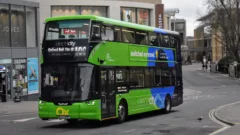
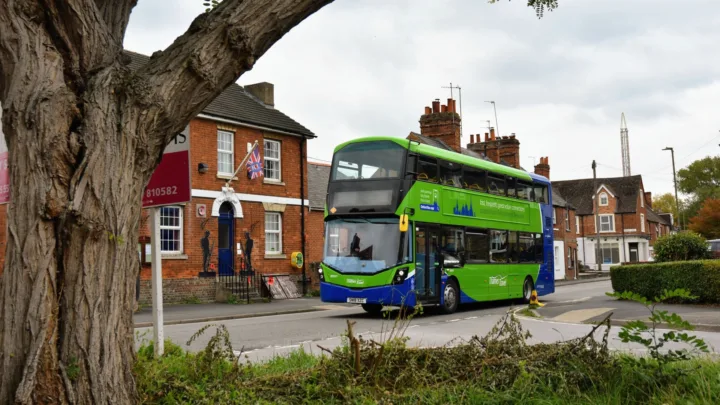
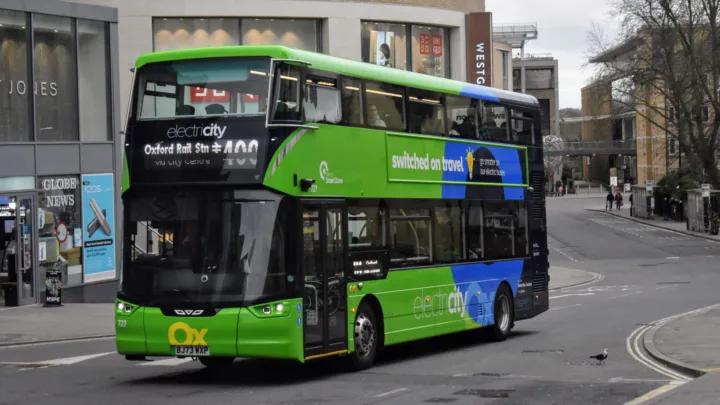
Support has come from bus operators and active travel advocates. Luke Marion, Managing Director of Oxford Bus Company, welcomed the move: “There’s been a steady worsening of journey times on Oxford’s core bus routes. The congestion charge will help improve services for passengers, many of whom come from deprived areas.”
The council expects the scheme to generate £3.2 million in its first year, ringfenced for transport improvements, including free Park & Ride fares in November and December.
Council leader Liz Leffman described the charge as a step towards a more sustainable city, saying: “I hope this scheme will show that Oxford can be a place where people walk, cycle and travel easily, while reducing congestion and improving lives.”
The charge will remain in place until August 2026, when Botley Road is due to reopen. At that point, the council plans to replace it with a traffic filter system, carrying £70 fines for unauthorised vehicles.
Meanwhile, campaign group Open Roads for Oxford has announced plans to launch a legal challenge against the scheme, arguing that public opposition has been ignored. With its approval, however, Oxford is preparing for one of its most significant transport policy shifts in decades.