A major milestone has been reached for community energy in the UK, as Low Carbon Hub has surpassed its initial £500,000 fundraising target for what is set to become the country’s first community-owned solar energy battery.
With more than 270 people investing over £640,000 ahead of the 26 June deadline, strong demand has prompted the organisation to move into an “over-raising” phase — allowing even greater community ownership of the project and reducing reliance on external borrowing.
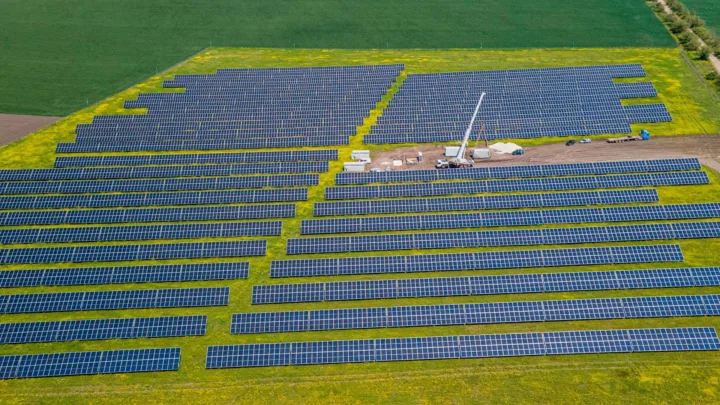
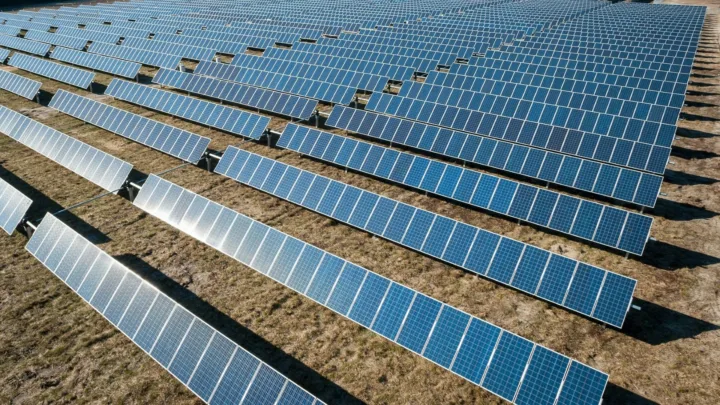
The battery will be installed at Ray Valley Solar, one of the UK’s largest community-owned solar energy parks, which already generates enough clean electricity to power around 7,000 homes.
Greater community ownership through continued investment
The £1.8 million battery project is being funded through a combination of community shares and loans, with every additional pound raised from local investors increasing the proportion of the asset owned directly by the community.
The share offer — open via impact investing platform Ethex — launched on 26 March 2026 and will remain open until 26 June 2026. Investment starts from £100, with a maximum of £100,000 per investor.
A further £60,000 in match funding, including support from WE HAVE THE POWER, means early investments are effectively being doubled, amplifying their impact on the project’s financing structure.
Dr Barbara Hammond MBE, CEO of Low Carbon Hub, said the response highlights growing enthusiasm for community-led energy:
“The interest shown in the project so far has proved that there is huge appetite for community energy projects in Oxfordshire and beyond. Thanks to almost 300 investors, we’re delighted to have reached our initial target, but we’re not stopping there.”
She added that higher community investment ensures more profits remain within local initiatives supported by Low Carbon Hub’s wider mission.
Unlocking the value of stored solar energy
While solar power has traditionally depended on daylight generation, the addition of battery storage is designed to transform how renewable energy is used and monetised.
At present, excess generation at Ray Valley Solar cannot always be fully absorbed by the local grid during peak sunlight hours. As a result, clean electricity is sometimes effectively “lost” or sold at lower daytime prices.
The new battery system will store surplus electricity and release it later in the day, when demand is higher and grid carbon intensity increases. It is expected to:
- Save around 809 MWh of clean electricity annually
- Power approximately 300 homes each year
- Deliver 102 tonnes of annual carbon savings
- Remove the equivalent of around 45 cars from the road
By shifting energy use to peak periods, the system is expected to improve both environmental and financial returns from the site.
Community energy model continues to scale
Low Carbon Hub is one of the UK’s largest community energy organisations, operating 56 community-owned renewable energy projects across Oxfordshire, England, United Kingdom.
All profits from its renewable energy assets are reinvested into local sustainability initiatives, including improving energy efficiency in schools, homes, and businesses across the region.
Investor Eleanor Watts described the appeal of the scheme as both financial and environmental:
“I invested in the Low Carbon Hub because its projects help to normalise the use of renewable energy… I feel happy that my money has done a little bit to combat the climate emergency.”
With the project now over its initial target and still open for investment, organisers say each additional contribution will further strengthen community ownership and accelerate local climate impact.