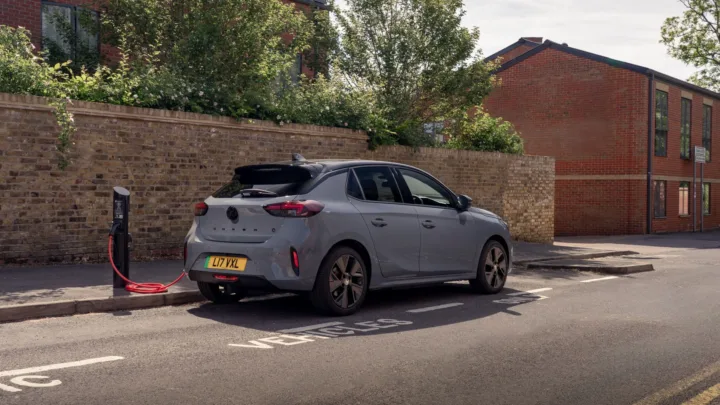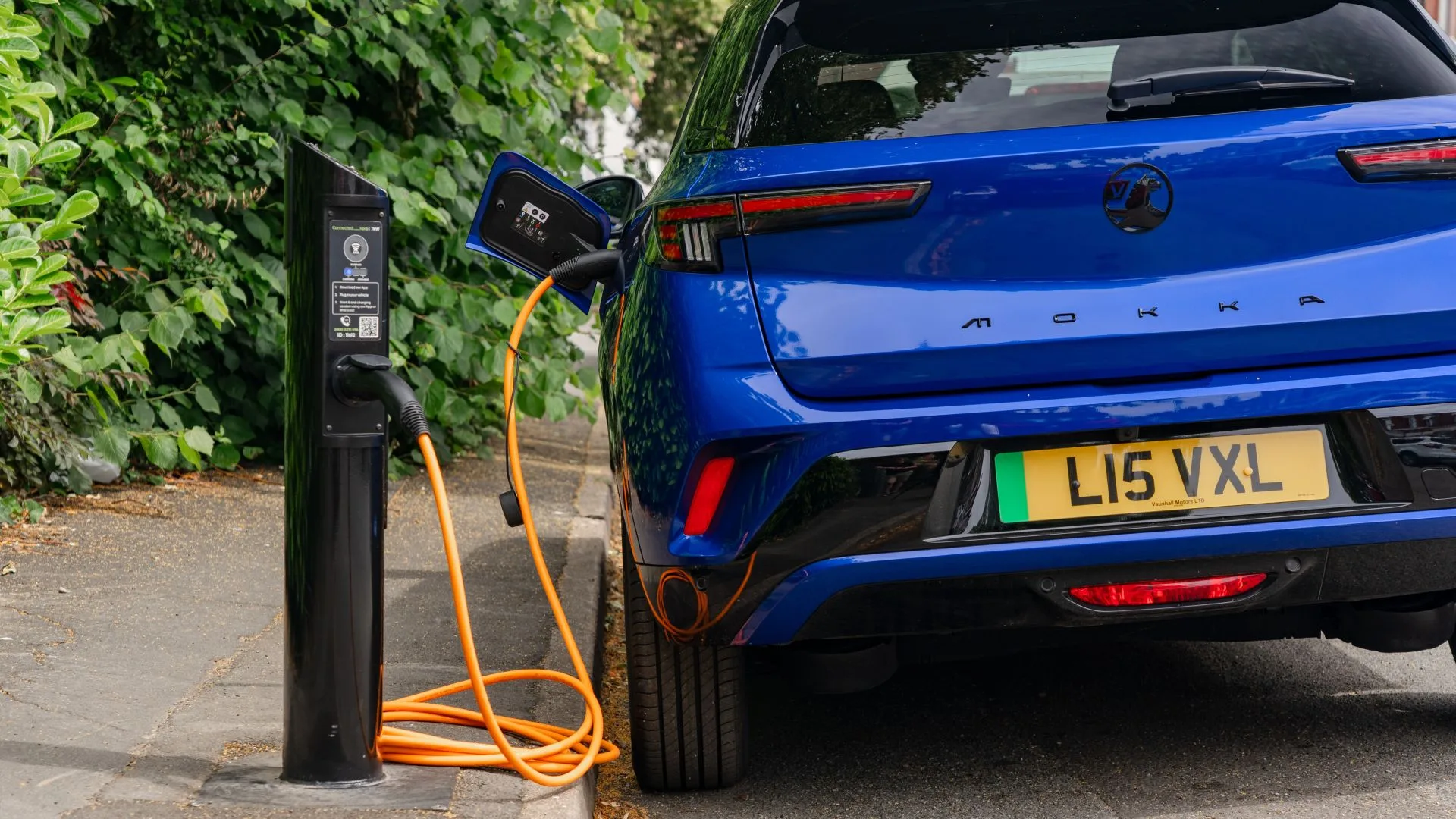
Oxfordshire is set for its largest-ever expansion of public electric vehicle (EV) charging infrastructure, with more than 1,500 new charging sockets planned across the county by 2028.
The programme, led by the Oxfordshire County Council, is aimed particularly at residents without access to driveways or private parking — one of the biggest barriers to EV ownership in rural and urban areas alike. The rollout will more than double the number of public charge points currently available.
Two charge point operators have now been appointed to deliver the network.
Connected Kerb will install and manage on-street chargers across the highway network, including council-run park and ride sites and public car parks. Meanwhile, Bicester-based EZ-Charge will develop charging hubs in district and city council car parks across Oxfordshire.
Together, they will create a unified, contactless charging network designed to make EV charging more consistent and accessible across the county.
Focus on residents without driveways
The rollout will prioritise areas where residents are least likely to have off-street parking, with site selection based on feasibility assessments carried out in the coming months.
While exact locations are yet to be confirmed, Oxfordshire’s councils say the aim is to make charging a realistic option for people who cannot install home chargers.
A new “community microhub” scheme will also open the door for parish councils and local organisations to host chargers at village halls, sports clubs and community centres. Six pilot sites have already been selected ahead of a wider rollout.
Backed by government funding and private investment
The programme is being funded through a mix of government Local EV Infrastructure (LEVI) funding, additional grants, and private investment from the operators themselves.
Keir Mather, Aviation, Maritime and Decarbonisation Minister, said charging availability remains one of the biggest barriers to EV adoption, adding that the investment would help make switching to electric more practical and affordable for households.
Oxfordshire County Council said the focus is on ensuring reliable access to charging in both rural and urban areas, particularly for those without home charging options.
What will be installed
Most of the new network will consist of standard 7kW chargers designed for longer dwell times, such as overnight charging near homes or in local car parks.
A smaller number of rapid chargers (50kW+) will be installed in strategic locations to support longer journeys and higher-turnover sites.
The approach is intended to balance everyday local charging needs with demand from commuters, visitors and working drivers passing through the county.
A countywide push toward electric travel
District councils across Oxfordshire have broadly welcomed the scheme, highlighting its potential to improve access and support the transition to electric vehicles, particularly in rural areas where home charging is not always possible.
The initiative forms part of a wider county strategy to expand EV infrastructure, including earlier investment in home charging solutions for properties without off-street parking.
What this means for Oxfordshire
In practical terms, the rollout signals a shift in how EV infrastructure is being designed — away from reliance on home charging and toward a more public, distributed network.
If delivered as planned, Oxfordshire will move significantly closer to making electric vehicle ownership viable for households regardless of parking situation or location.