As the Chancellor prepares to deliver the Budget, the stakes could not be higher. The decisions made in the coming days will shape how people live, work and build for years to come. And if this moment is to mean anything, it must start with listening to the experience of those on the ground.
The challenge is immense: restoring stability to the public finances without crushing the ambition and enterprise that will ultimately drive our recovery. Confidence is fragile. Businesses are pausing investment, families are tightening their belts, and many entrepreneurs are simply waiting to see what comes next.
I’ve spent more than two decades building businesses from nothing — no safety net, no shortcuts, just resilience, risk and relentless work. That story is repeated in thousands of households across the country. Entrepreneurs are not asking for handouts; they are asking for a fair playing field and a government that trusts them to build.
Yet in recent months, the national conversation has narrowed almost entirely to what more can be taxed. With a £30 billion shortfall, revenue raising is inevitable – but how we raise it matters. Reports of more than a hundred potential tax changes, from ISA adjustments to new charges on landlords and the self-employed, only add to the uncertainty.
I welcome the decision to rule out income tax rises following improved OBR forecasts, but the alternative options on the table, including freezing or lowering income-tax thresholds, would have much the same effect. It quietly drags people into higher tax bands even when their real earnings haven’t grown, deepening the squeeze on households already under strain.
This isn’t about avoiding contribution; it’s about keeping confidence alive at a moment when every signal feels discouraging. Threshold freezes may be politically subtle, but for the self-employed, small company directors and the many who plough every spare pound back into their businesses, the impact is anything but subtle. These are the same people who worked through the pandemic without furlough or grants – just grit and determination.
The same applies to savers and investors. Reducing ISA allowances or increasing dividend taxes sends a clear message: that long-term planning is something to be penalised. A resilient economy needs people who invest in their own future, not people pushed to rely on state support later down the line.
And for women, these pressures are magnified. We’ve made progress in female entrepreneurship, but major barriers remain – access to funding, the cost of childcare, and the reality of running a business while raising a family. Childcare should be treated as a legitimate business expense. It’s not only fair; it’s economically intelligent. Support working parents, particularly mothers, and you unlock thousands of businesses, jobs and ideas.
The property market must be part of this story too. For millions, property is not a luxury investment – it’s the foundation of financial security, a retirement plan, a legacy. Talk of mansion taxes or wider property levies only fuels uncertainty. When taxation becomes punitive, mobility falls, supply tightens, and confidence collapses. The ripple effects would reach far beyond high-value homes.
If I could offer three principles for a stronger, more confident economy, they would be these:
- Make it easier for small businesses to grow. Simplify the rules, reduce red tape, and let entrepreneurs reinvest more of what they earn into jobs, innovation and growth.
- Back entrepreneurs, especially women. Recognise the realities of the “sandwich generation”
– women running businesses while caring for both children and ageing parents. Make
childcare tax-deductible, improve access to capital, and design policies that reflect modern
working lives. - Protect stability. Avoid sudden or heavy-handed tax changes that create fear and freeze
investment and longer-term planning
The people who drive this economy forward do not need more obstacles. They need partnership, trust and the confidence to keep building. If this Budget focuses on enabling growth rather than extracting from it, it could mark the beginning of something powerful: a Britain that once again rewards those who take risks, create opportunity and build from nothing.
About Michelle Niziol
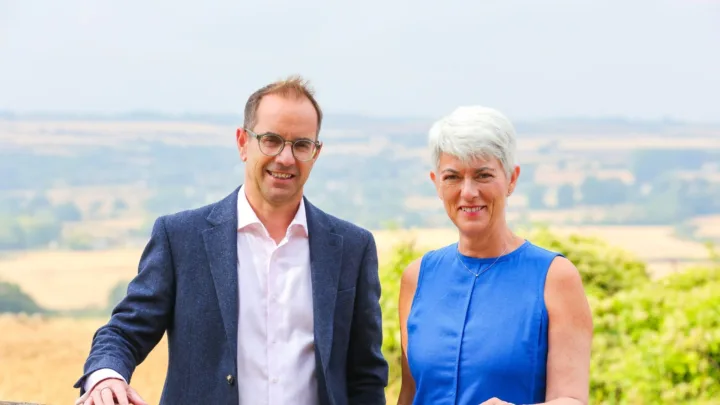
Michelle Niziol is an Oxfordshire businesswoman, entrepreneur, and former BBC Apprentice candidate. She is the founder of several successful local businesses and manages a multi-million-pound property portfolio.