A new conservation partnership is set to restore and reconnect some of Oxfordshire’s most important wetland habitats while developing new ways to monitor some of England’s rarest insects.
Berkshire, Buckinghamshire & Oxfordshire Wildlife Trust (BBOWT) and Freshwater Habitats Trust are working together on Fen Futures: Recovering Rare Fen Insects, a project focused on 11 fen sites in west Oxfordshire.
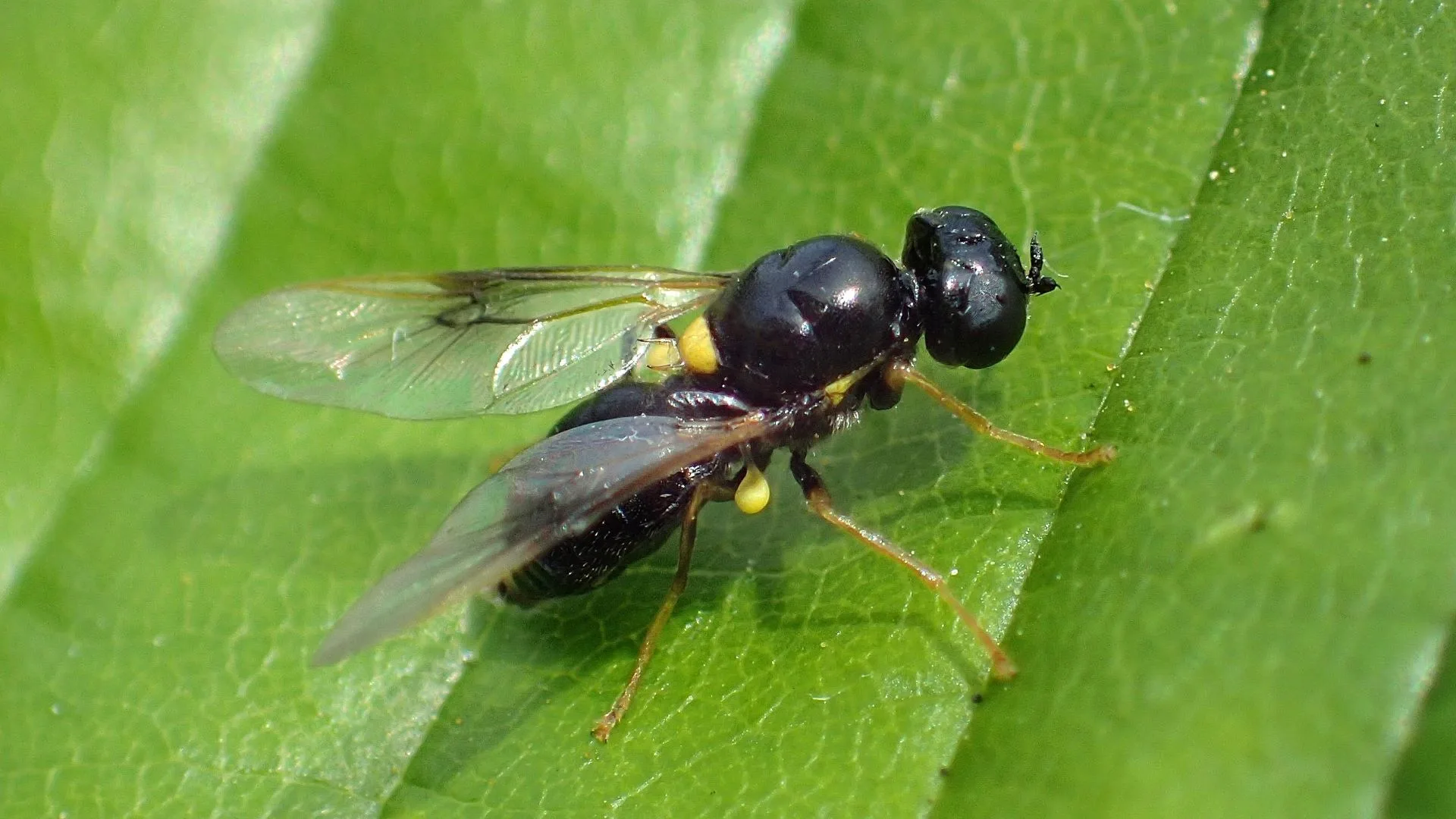
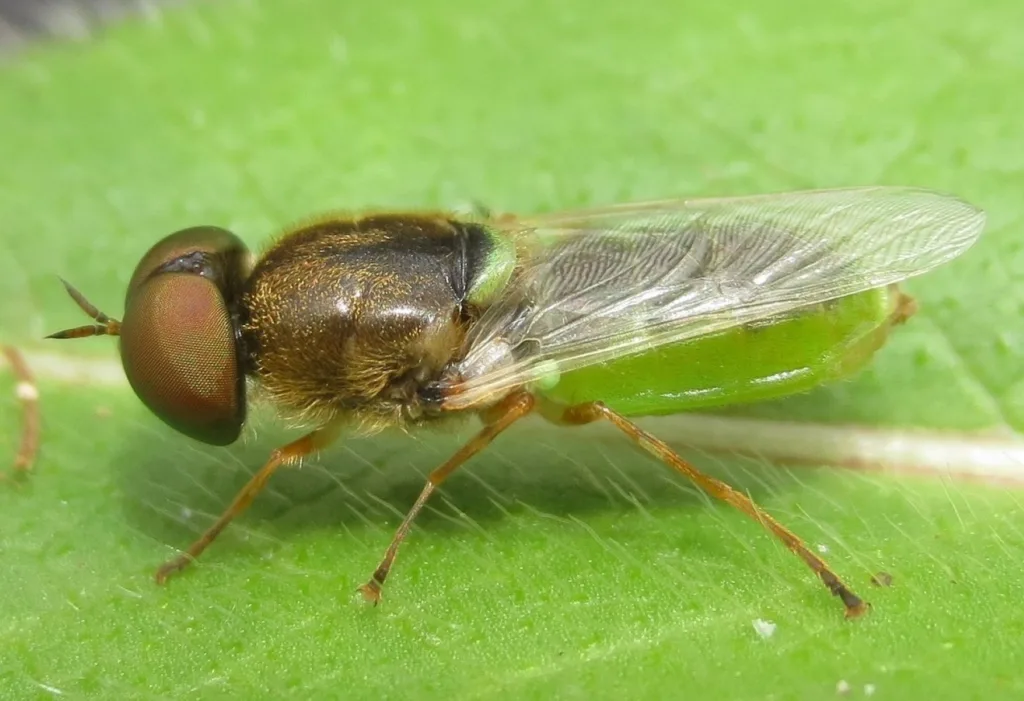
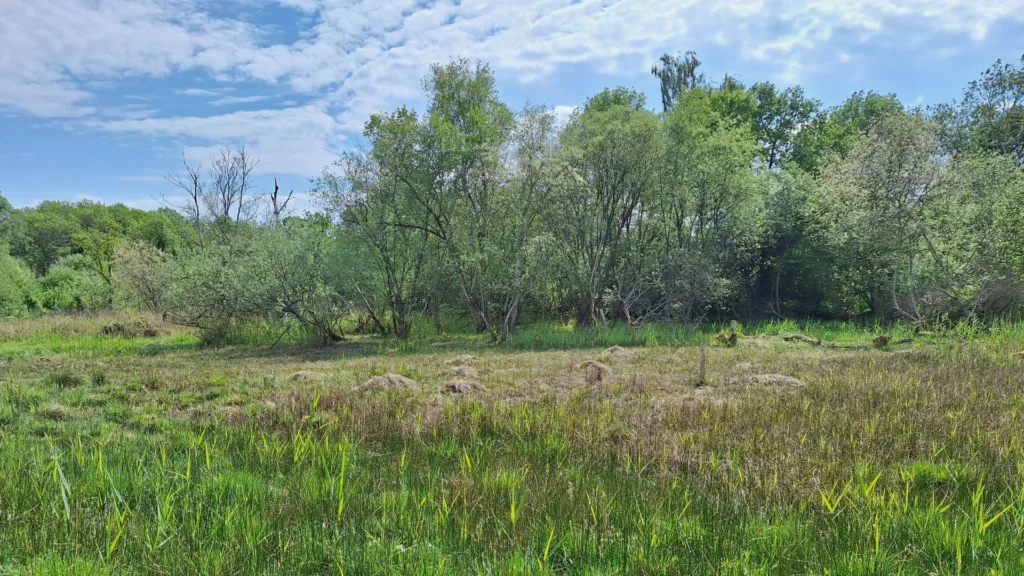
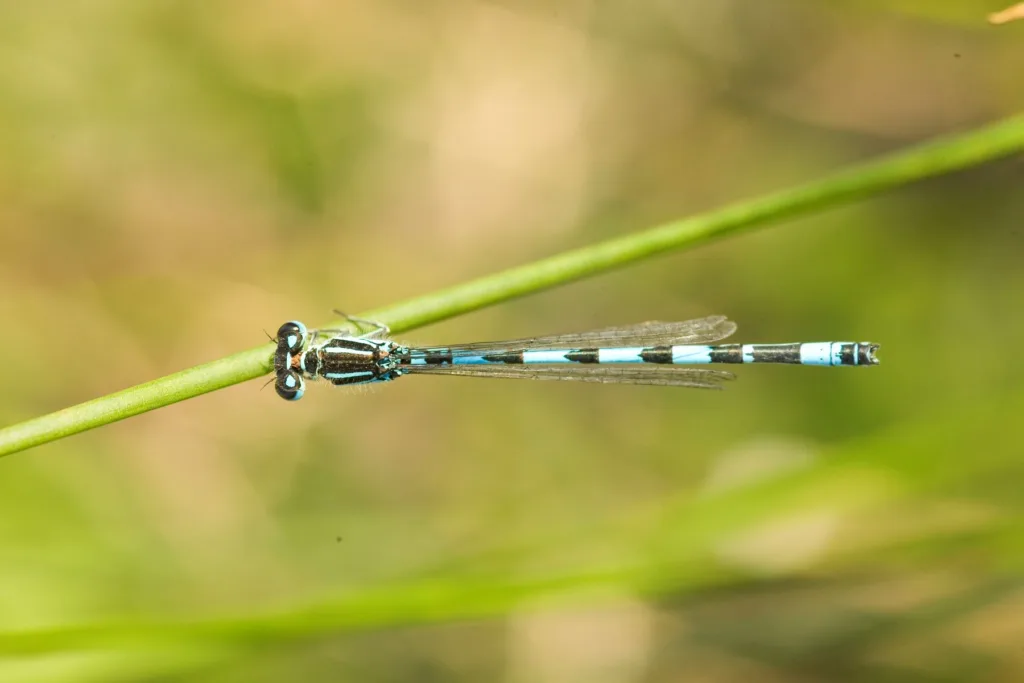
The sites are centred on Cothill Fen Special Area of Conservation (SAC) and surrounding wetlands, an internationally important network of alkaline fens supporting nationally significant populations of four threatened species: the southern damselfly, orange-horned green colonel, clubbed general and dark-winged soldier.
The project is being developed through Natural England’s Species Recovery Programme, which supports targeted conservation action for some of England’s most threatened wildlife.
Over nearly three years, BBOWT and Freshwater Habitats Trust will undertake practical conservation work designed to improve conditions for rare insects and strengthen links between isolated wetland habitats.
Planned work across the 11 sites includes: Creating new shallow pools, restoring and reopening fen runnels and water channels, removing scrub, trees and invasive vegetation to maintain open fen conditions, creating glades and transitional habitats to improve connectivity and monitoring rare insect populations and habitat quality over the longer term.
The work is intended to improve breeding habitat while helping populations become more resilient by strengthening ecological connections between individual sites.
Roger Stace, BBOWT’s Senior Land Manager, said the fens around Cothill are among England’s most important wetlands.
“The Fen Futures project will give these sites and the wildlife they support a much needed boost to facilitate more ambitious work to restore and connect the habitats,” he said.
He added that the research supported by the project would provide new information to help guide future habitat management.
Alongside habitat restoration, the project will investigate whether innovative DNA techniques can provide a new way of identifying elusive wetland insects.
Researchers will examine DNA collected from soldierfly larvae alongside surveys of larval habitats. The aim is to establish whether the approach can reliably detect rare species and provide a better understanding of the habitat conditions they require.
If successful, the technique could have applications beyond Oxfordshire, potentially providing a new method for monitoring rare wetland invertebrates elsewhere in the UK.
The combination of practical habitat restoration and scientific research is intended to address both the immediate threats facing the insects and gaps in knowledge about their populations.
Freshwater Habitats Trust said the Oxfordshire fens form an important part of its wider ambition to create a more connected freshwater landscape.
Dr Naomi Ewald of Freshwater Habitats Trust said the county’s alkaline fens support a “extraordinary range of specialised species” and that the funding would allow the organisations to work together on restoring and reconnecting the wetlands.
The project will also involve local landowners, farmers, volunteers and communities through site visits, talks and events.
The organisations hope that greater public understanding of the fens and the groundwater systems that sustain them will help support their long-term conservation.
The Fen Futures project builds on decades of work by both organisations and is intended to strengthen ecological links between some of Oxfordshire’s most important freshwater habitats while providing new scientific evidence to inform their future management.