Oxfordshire County Council has launched a consultation inviting residents to share their views on proposals to introduce part-night street lighting (PNL) across the county – a scheme designed to reduce lighting during late-night hours where communities request it.
The consultation, open until 06 July on the council’s Let’s Talk Oxfordshire platform, focuses on how part-night lighting would be implemented rather than where it might be introduced.
The council emphasises that any decisions on specific locations would rest with local town or parish councils, which must request the scheme and carry out their own local consultations before any changes occur.
This new approach comes after earlier proposals for “dark skies” initiatives were deferred last November following public concerns. Instead, the council’s draft framework puts the power firmly in the hands of communities, aiming to balance environmental benefits with public safety and accessibility.
What is part-night lighting?
Part-night lighting means streetlights would be switched off, or dimmed, for part of the night — typically during the hours when few people are out. Oxfordshire’s draft framework suggests two standard time windows: 11.30pm to 5.30am in rural areas and midnight to 5.30am in urban locations, with the flexibility to adjust times according to local needs, such as public transport schedules or events.
Oxfordshire County Council currently maintains around 60,000 streetlights. With street lighting accounting for about a third of the council’s overall carbon emissions, switching off lights for part of the night could significantly reduce energy use, saving over 400 tonnes of carbon annually and more than £400,000 in energy costs.
It would also help reduce light pollution, benefiting local wildlife, such as nocturnal pollinators and moths, while potentially improving residents’ sleep quality.
Community safety and exemptions
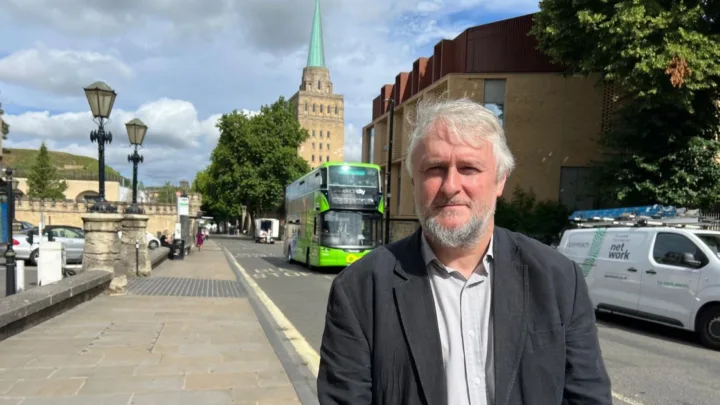
While the environmental advantages are clear, the council is acutely aware of the importance of community safety. Councillor Andrew Gant, Cabinet Member for Transport Management, said:
“We want to hear people’s views and concerns, especially to help us understand potential impacts on those who are perceived as being at risk from crime or harm… There is no intention of reducing streetlighting in areas where there are concerns about the impact.”
The draft framework includes detailed exemptions where part-night lighting would not apply, including major road junctions, controlled crossing points, areas with high levels of crime, and zones with local authority or police CCTV. The council is working closely with Thames Valley Police and community groups to ensure that any lighting changes do not compromise safety or public confidence.
Residents’ perceptions of safety are a key consideration. The council will use data from initiatives like the police’s Street Safe platform to assess how safe people feel in different locations and will monitor crime and road incident levels closely after any part-night lighting schemes are introduced, allowing adjustments or reversals if needed.
A local decision-making process
Rather than imposing a blanket policy, the council proposes a step-by-step process similar to Oxfordshire’s 20mph speed limit programme. Town or parish councils must apply for a scheme and gain backing from their county councillor. Following a council review, a public consultation will take place in the affected area before the scheme is approved or rejected by the Cabinet Member for Transport Management.
This approach ensures that the communities most affected have a voice in whether and how part-night lighting is introduced, recognising that “one size does not fit all.”
Seeking diverse views
The council has engaged a range of stakeholders in developing the framework, including community safety teams, women’s groups, emergency services, and employers in the night-time economy. Special attention is being given to vulnerable groups, including people with disabilities, older residents, and ethnic minorities, to understand and mitigate any negative impacts.
An Equalities Impact Assessment is ongoing to monitor how part-night lighting could affect people with protected characteristics, ensuring that any changes promote fairness and inclusion.
Next steps
The consultation on the draft framework closes on 06 July. After considering feedback, Oxfordshire County Council’s cabinet will decide in September whether to proceed with the framework.
If approved, individual part-night lighting schemes will then be considered on a case-by-case basis in consultation with local communities, focusing on balancing environmental gains with safety and wellbeing.