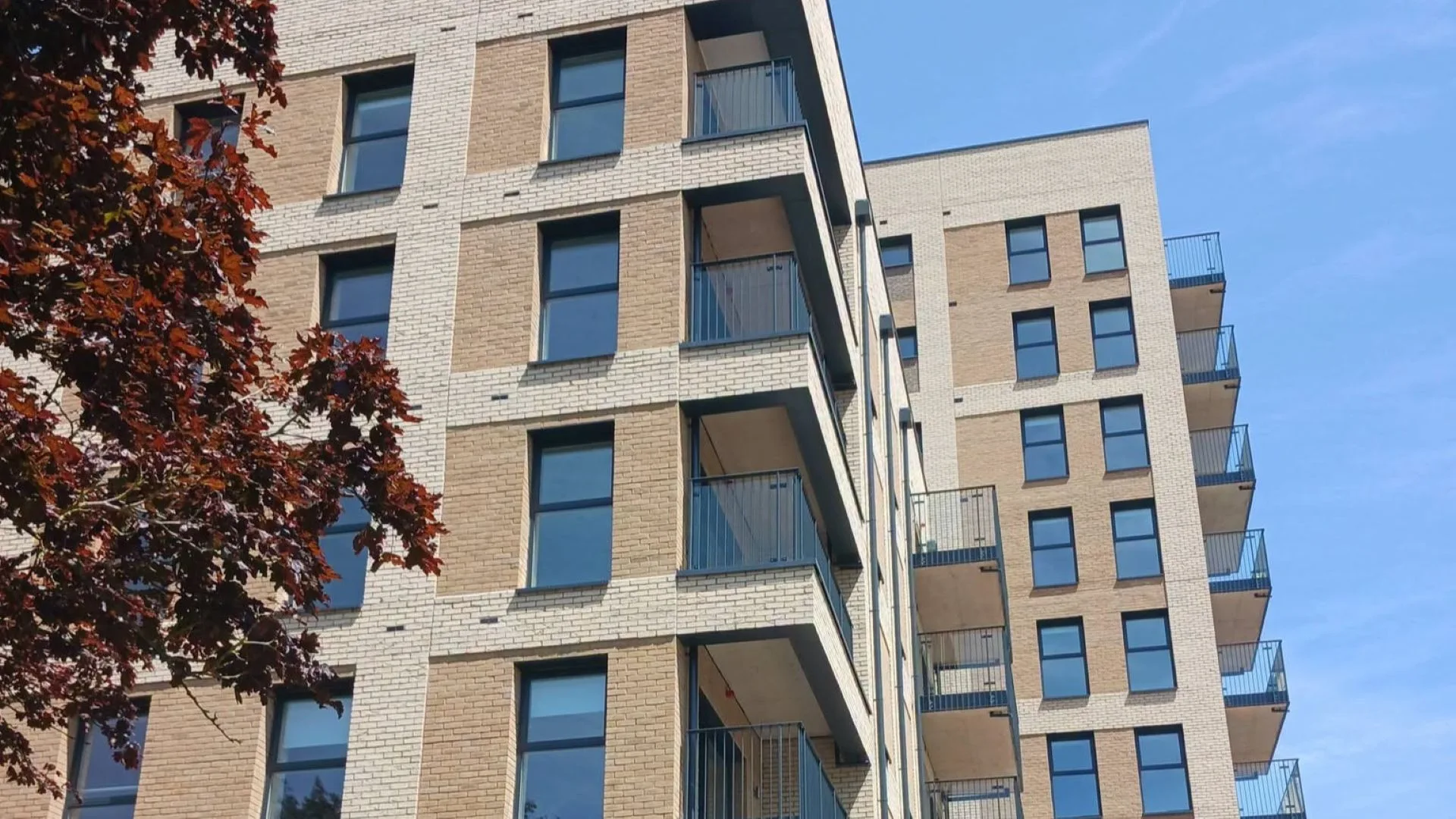
More than 4,000 applicants are waiting for social housing in Oxford, with demand continuing to exceed the supply of available homes, according to the city council.
The latest figures show 4,068 applicants on Oxford’s Housing Register, underlining the pressure on the city’s housing provision as high rents and limited availability make finding an affordable home increasingly difficult.
The council receives an average of 160 new applications each month. Of those currently registered, 2,035 need a one-bedroom property, while 1,761 applicants require two- or three-bedroom homes, accounting for 43% of the register.
High rents add to housing pressures
Oxford’s social housing shortage comes amid wider affordability challenges. Centre for Cities’ Cities Outlook 2026 report identified Oxford as the UK’s least affordable city.
Average private rents in Oxford reached £1,963 a month in August 2026, according to figures from the Office for National Statistics. At £23,556 a year, this represents around 55% of the median gross annual earnings of full-time workers living in the city.
The pressure extends beyond those waiting for a permanent home. More than 500 households at risk of homelessness were placed in temporary accommodation during 2025/26, while a further 996 households received additional preference on the Housing Register because of overcrowding.
Council plans more affordable homes
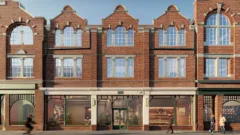
Oxford City Council has a four-year programme to deliver 1,632 affordable homes, including 1,072 for social rent. Its housing company, OX Place, is leading development work, with schemes proposed at Sandy Lane, where 331 homes are planned, Northfield, with 51 homes, and Bertie Place, with 31 homes.
The council is also working with private developers and housing associations to bring forward additional affordable housing, including projects in Blackbird Leys and at Oxford North.
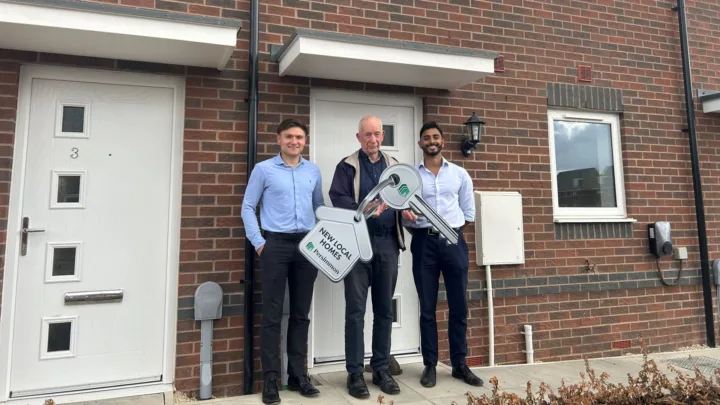
Recent progress includes Chestnut Tower in Blackbird Leys, where 61 households on the Housing Register have moved into new homes for social rent, according to the council.
However, the authority says Oxford’s administrative boundaries, floodplain and surrounding Green Belt restrict the availability of land for larger housing developments.
Green Belt proposal forms part of wider plan
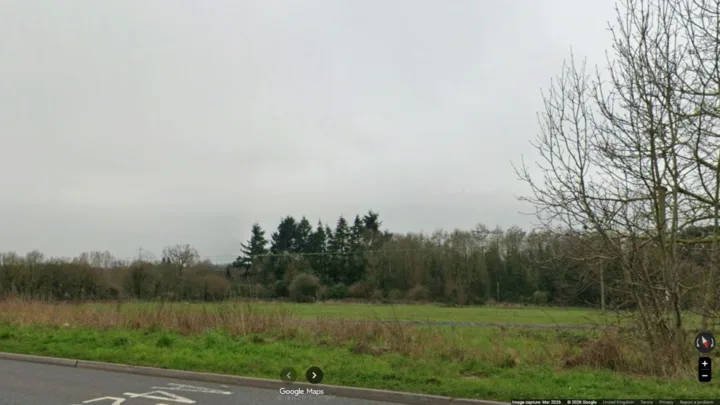
The council argues that meeting Oxford’s long-term housing needs will require some Green Belt land around the city to be made available for development.
Under its proposed Greater Oxford approach, the council says 40,000 homes could be built across Greater Oxford by 2040, including 16,000 social and affordable homes. The proposal links future housing provision to a wider approach to planning and development beyond the city’s existing boundaries.
Read more: Oxford City Council leader welcomes “historic” decision to create Greater Oxford authority
The figures on the Housing Register highlight the scale of the immediate challenge, while the council’s plans set out its proposed response. Delivering sufficient homes will depend on the progress of individual developments, the availability of suitable land and decisions about how housing needs across the wider area should be met.