Oxford-based spinout Stateful Robotics has raised $4.8 million in pre-seed funding to accelerate the rollout of its artificial intelligence platform designed to improve how robots operate in unpredictable real-world environments.
The embodied AI company, which emerged from research at the University of Oxford, secured backing in a round led by Amadeus Capital Partners and Oxford Science Enterprises, with additional angel investment from Stan Boland, founder of Five.
The funding will support wider deployment of Stateful Robotics’ software, which adds a persistent intelligence layer to robots so they can operate more effectively when conditions change unexpectedly.
While foundation models and large language systems have improved robotic perception in recent years, many robots still struggle in dynamic environments such as blocked routes, poor lighting, unexpected deliveries or safety incidents because they do not retain operational memory over time.
Stateful Robotics addresses this by continuously integrating robot data, task progress and historical performance into a dynamic AI model that allows machines to recall previous outcomes and plan missions more effectively.
As Co-Founder and Chief Scientist of Stateful Robotics, Nick Hawes explains: “Stateless systems treat every decision in isolation and cannot remember previous incidents or how work actually flows through a site.
“Stateful’s platform builds a persistent, shared model of tasks, environments and past behaviour that lets robots adapt to disruption and complete missions safely without constant supervision.”
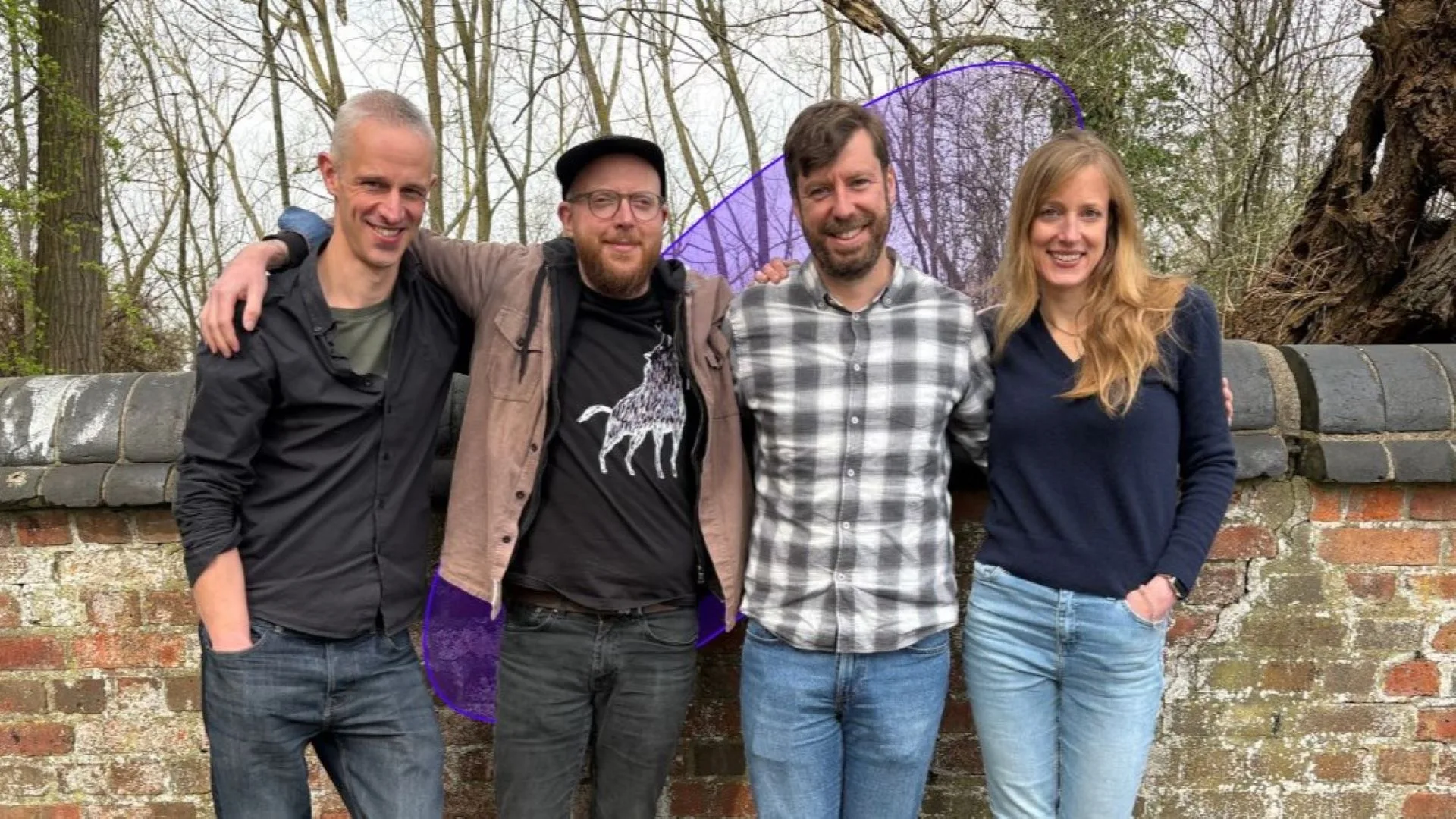
The company was co-founded by CEO Kirsty Lloyd-Jukes, formerly chief executive of Latent Logic, alongside Professor Hawes, David Parker and Bruno Lacerda, whose Oxford research in autonomy and decision-making under uncertainty forms the basis of the technology.
Lloyd-Jukes said: “Mobile robots promise significant productivity gains, but scaling them requires constant reliability and clear, measurable outcomes in the real world.
“Most robots excel at “what now,” but fail at “what next,” especially when “next” is defined over hours and days, not just minutes. By maintaining a live model of each deployment based on patterns over time, our platform ensures that robots – be they single robot, robot fleets or human-robot teams – perform reliably and consistently.”
The company is already working with pilot customers in infrastructure and logistics, and plans to use the new funding to grow its engineering team, improve performance and expand industrial partnerships.