Thames Valley mayoral authority moves forward
Plans for a new mayoral authority covering Oxfordshire, Berkshire and Swindon have moved a step closer after the government confirmed its support in the Autumn Budget on 28 October.
The proposed Thames Valley Mayoral Strategic Authority (MSA) would bring together 13 councils under an elected mayor, with the aim of coordinating investment, transport, housing and economic development across the area. The government has also proposed an initial £9.1 million from its Good Growth Fund to support regional priorities as the authority is developed.
The announcement follows a letter sent to local government minister Jim McMahon on 26 October, in which leaders across Berkshire, Oxfordshire and Swindon confirmed their aspiration to establish the authority. The next stage is to develop a more detailed proposal, with further decisions and public consultation still to come.
The proposed area includes Bracknell Forest, Cherwell, Oxford City, Oxfordshire County, Reading Borough, the Royal Borough of Windsor and Maidenhead, Slough, South Oxfordshire, Swindon, Vale of White Horse, West Berkshire, West Oxfordshire and Wokingham.
What would a mayoral authority do?
A Mayoral Strategic Authority is intended to give an elected mayor and constituent councils a shared framework for making decisions on issues that cross local authority boundaries. These could include transport networks, economic development, skills and employment, housing investment and major infrastructure.
The new authority would not replace the existing councils. They would continue to deliver local services such as social care, schools, waste collection, leisure and local planning, while the MSA would focus on strategic priorities affecting the wider region.
The intention is to give the Thames Valley a stronger voice in discussions with central government and a more coordinated approach to investment. However, the precise powers, funding arrangements and governance structure would depend on the final proposal and the subsequent statutory process.
Local council leaders welcome opportunity but question boundaries
Council leaders across Oxfordshire have broadly welcomed the decision to progress a Thames Valley Mayoral Strategic Authority, seeing it as an opportunity to attract investment, coordinate infrastructure and support economic growth. However, they have raised questions about the proposed geography, the implications for public services and how local communities will be represented.
Oxford City Council leader Susan Brown described the proposal as a “once-in-a-generation opportunity”, arguing that new powers and investment could help deliver housing, infrastructure, secure jobs and opportunities for businesses. West Oxfordshire District Council leader Andy Graham also welcomed the agreement to proceed, highlighting the potential to coordinate transport, housing and infrastructure planning more effectively. Cherwell District Council leader Lesley McLean said the process should ensure that local voices are heard and that the benefits reach communities across the area.
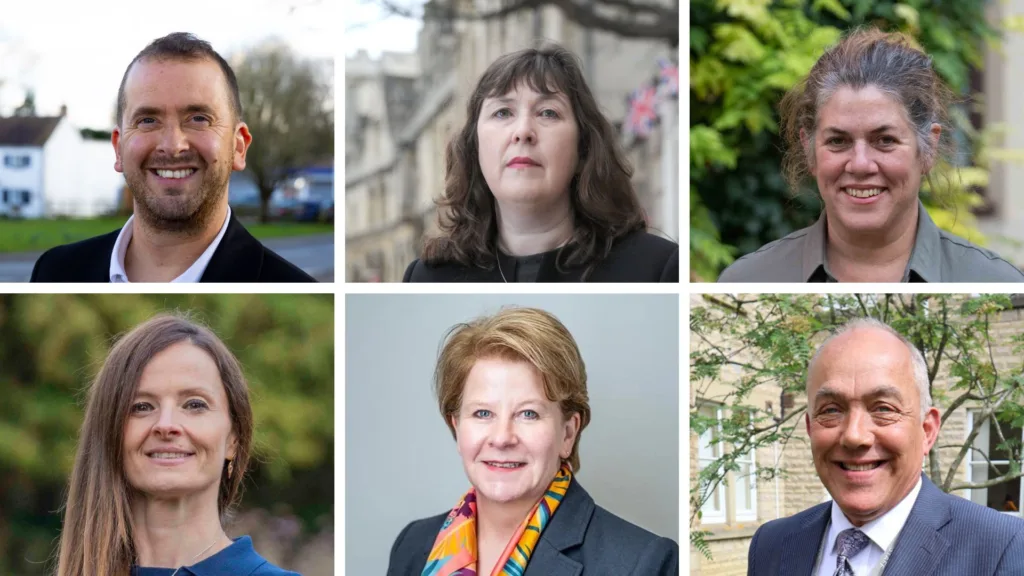
The proposed boundaries remain a significant concern. Oxfordshire County Council leader Tim Bearder, along with leaders in South Oxfordshire and the Vale of White Horse, has questioned the decision to include Swindon while excluding Buckinghamshire, arguing that the geography should better reflect existing economic links and public-service boundaries. They have warned that the proposed arrangement could have implications for the organisation of health, policing, fire and rescue services, with potentially significant costs and disruption.
South Oxfordshire leader Maggie Filipova-Rivers also questioned the short time councils had to consider the proposals, calling for proper scrutiny and meaningful public involvement. Vale of White Horse leader Bethia Thomas highlighted the need for the authority to reflect rural communities and priorities, including transport, affordable housing and connectivity, alongside the opportunities presented by the Science Vale technology and research economy. West Oxfordshire’s Graham said Buckinghamshire should be included as soon as possible.
Buckinghamshire Council leader Steve Broadbent, meanwhile, rejected the suggestion that his authority was sitting on the sidelines, saying it was actively engaged with government and focused on securing meaningful benefits for its residents and businesses. He did not commit to joining the proposed authority.
Despite these differences, councils are preparing to continue discussions. The emerging proposal will need further scrutiny and consultation before any final arrangements are agreed.
How much investment could be available?
The government has proposed £9.1 million from its Good Growth Fund to help develop priorities for the new authority. This is an initial allocation rather than a commitment to the full range of investment that could eventually be available.
Figures shared with councillors have also indicated the potential for a £1.3 billion investment fund over 30 years, around £400 million for transport over four years, and access to a further £750 million to £1 billion in possible future transport funding. Other figures reported include hundreds of millions of pounds for affordable housing and between £65 million and £75 million a year for skills and employment programmes.
These larger sums should be treated as potential funding rather than confirmed allocations. The amounts available, the conditions attached and the projects they could support will depend on negotiations with government and the final arrangements for the authority.
For Oxford and the wider Thames Valley, the potential prize is the ability to coordinate investment across an economically connected area. Better transport links, more homes and improved access to skills could support employers and residents, but the scale of any benefits will depend on the powers and resources ultimately agreed.
How the proposal will progress
The government expects to share a more developed proposal with councils in December, for consideration and approval to proceed to consultation. Stakeholder and public consultation is planned for early 2027, with a formal proposal expected to be submitted to government in the spring.
Subject to the statutory process, a shadow authority could be established later in 2027, ahead of the first mayoral election, which is planned for 2028. These dates remain part of the proposed timetable and depend on the necessary decisions and approvals.
The process will run alongside wider discussions about local government reorganisation in Oxfordshire. Ministers have said that devolution and the reorganisation of local councils are separate processes, although changes to local government structures may affect how strategic authorities operate.
For now, the government’s announcement establishes a direction of travel rather than a finished deal. The coming months will determine whether the proposed geography, governance and funding arrangements can secure broad local agreement—and whether the new authority can demonstrate tangible benefits for the communities it is intended to serve.