After 40 years of shaping Oxford’s café and restaurant scene, renowned business owner Clinton Pugh has sold Kazbar – his final establishment in the city – marking the end of a significant chapter in local hospitality.
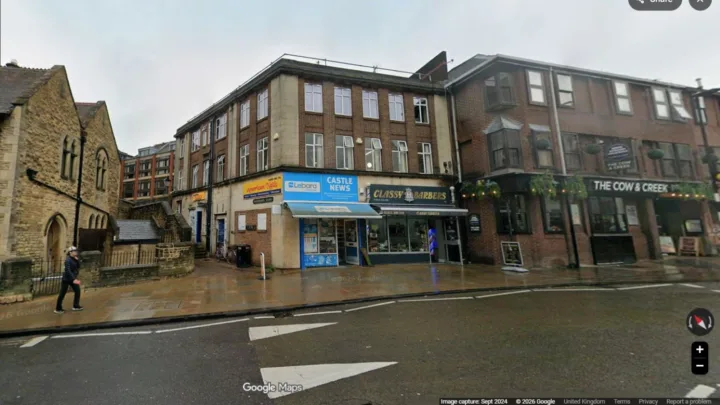
Best known as the father of Hollywood actress Florence Pugh, Clinton’s entrepreneurial journey began in Oxford four decades ago. Over the years, he built a respected portfolio of popular eateries, including The Lemon Tree and Café Coco. Most recently, he owned Kazbar, a vibrant restaurant and bar on Cowley Road.
Earlier this year, Clinton sold Kazbar amid mounting financial pressures, following his sale of Café Coco next door in October after nearly 32 years of ownership.
Reflecting on his career, he told local democracy reporter Esme Kenney, “It’s the end of an era. I’ve had some amazing staff and wonderful customers, and I thank them hugely. We still have staff who are friends after 30-odd years.”
Despite his longstanding ties to the city and loyal patrons, Clinton faced significant losses – estimated at around £1 million. He attributes this decline to national economic challenges such as inflation and Bank of England policies and, more sharply, to local traffic restrictions.
The Low Traffic Neighbourhoods (LTNs) introduced by Oxfordshire County Council in east Oxford and Cowley were “the main nail in the coffin,” he explained. “Kazbar’s turnover has dropped significantly over the last three years since the LTNs have gone in. So had Café Coco.”
Read more: Controversial low traffic neighbourhoods (LTNs) made permanent in Cowley
He recalled selling Kazbar on the day Donald Trump announced his tariffs, which symbolised a turning point for him. “It would be bad enough just to have what’s happened with the Bank of England and the pressures of inflation, [Then] you throw in the restrictions on the Cowley Road. It’s unfortunately getting to the stage where it’s very hard for people to make money.”
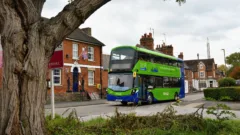
Clinton also voiced concerns about the forthcoming bus gates planned for several city centre roads. “If you have bus gates, you won’t be able to get from Summertown to the Cowley Road”, he said.
He added: “If you can’t get from other parts of the centre of Oxford and you can’t come in from the shire, then it’s obviously going to affect your business. You can’t get staff either. If they don’t live locally, then they don’t want to pay for taxis to come in.
“If councillors aren’t coming to see that most of the shops are shut during the daytime, they just blame it on national economics. They don’t take any responsibility for the damage they’ve caused”, he continued.
An Oxfordshire County Council spokesperson responded, emphasising the intent behind the LTNs and upcoming traffic filters: “LTNs are intended to make residential streets healthier to live on and more comfortable for walking, wheeling, and cycling.
“When the traffic filters trial starts after Network Rail reopens Botley Road, expected to be August 2026, it will be a new way to reduce traffic and make it easier to get around the city.
“The traffic filters will only apply to cars; all other vehicles will be automatically exempt. There are 17 types of free permits for car drivers to travel through the filters.
As Oxford navigates the balance between sustainable transport and supporting its local businesses, the story of Clinton Pugh’s departure underscores the challenges facing long-established entrepreneurs. For many in the city, his exit is the end of an era.