Thames Water has introduced a temporary hosepipe ban across its drinking water supply area following one of the driest springs in years, three official heatwaves and record-breaking temperatures that have driven water demand to unprecedented levels.
The move follows similar concerns elsewhere in the region, after Anglian Water introduced a hosepipe ban covering parts of the East of England earlier this summer.
At the time, we raised questions over whether prolonged dry weather and rising demand could lead to similar restrictions being introduced closer to home – a concern that has now been realised for Thames Water customers, including many across Oxfordshire.
The Temporary Use Ban (TUB), which came into force at 12.01am on Thursday 23 July, affects all customers supplied with drinking water by Thames Water across London, the Thames Valley and the Home Counties. The company says the restrictions are necessary to safeguard water supplies and protect the environment as exceptionally dry conditions continue.
The move follows months of below-average rainfall, with the Thames Water region receiving just 40% of its average spring rainfall, while no measurable rainfall was recorded across the Thames catchment during July. At the same time, the UK has experienced three official heatwaves, with temperatures reaching 34°C or higher on nine separate days this year – exceeding previous records set in 1976 and 2020.
Demand reaches record levels
Thames Water says customers are currently using around 100 million litres of additional water every day – the equivalent of adding every home in Manchester to its network.
Water demand is running 10% above normal across the Thames Valley and Home Counties and 7% above normal in London, placing significant pressure on the company’s ability to treat and distribute water during peak periods.
Between 03 and 10 July, Thames Water produced more than 20 billion litres of drinking water, with customers in London using an additional 475 million litres each week, while demand across the Thames Valley has increased by around 186 million litres weekly.
The company says that during periods of peak demand, water has been consumed faster than it can be treated and moved through parts of the network, prompting the next stage of its drought management plan.
What the hosepipe ban means
Under the restrictions, customers must not use hosepipes for non-essential activities, including:
- Watering gardens, lawns or allotments.
- Filling or topping up paddling pools, swimming pools or hot tubs.
- Washing private vehicles using a hosepipe.
- Cleaning patios, driveways, paths, windows or other outdoor surfaces with a hose or pressure washer.
- Using sprinklers or similar irrigation equipment connected to the mains water supply.
Essential household water use, including drinking, cooking, washing and personal hygiene, is unaffected.
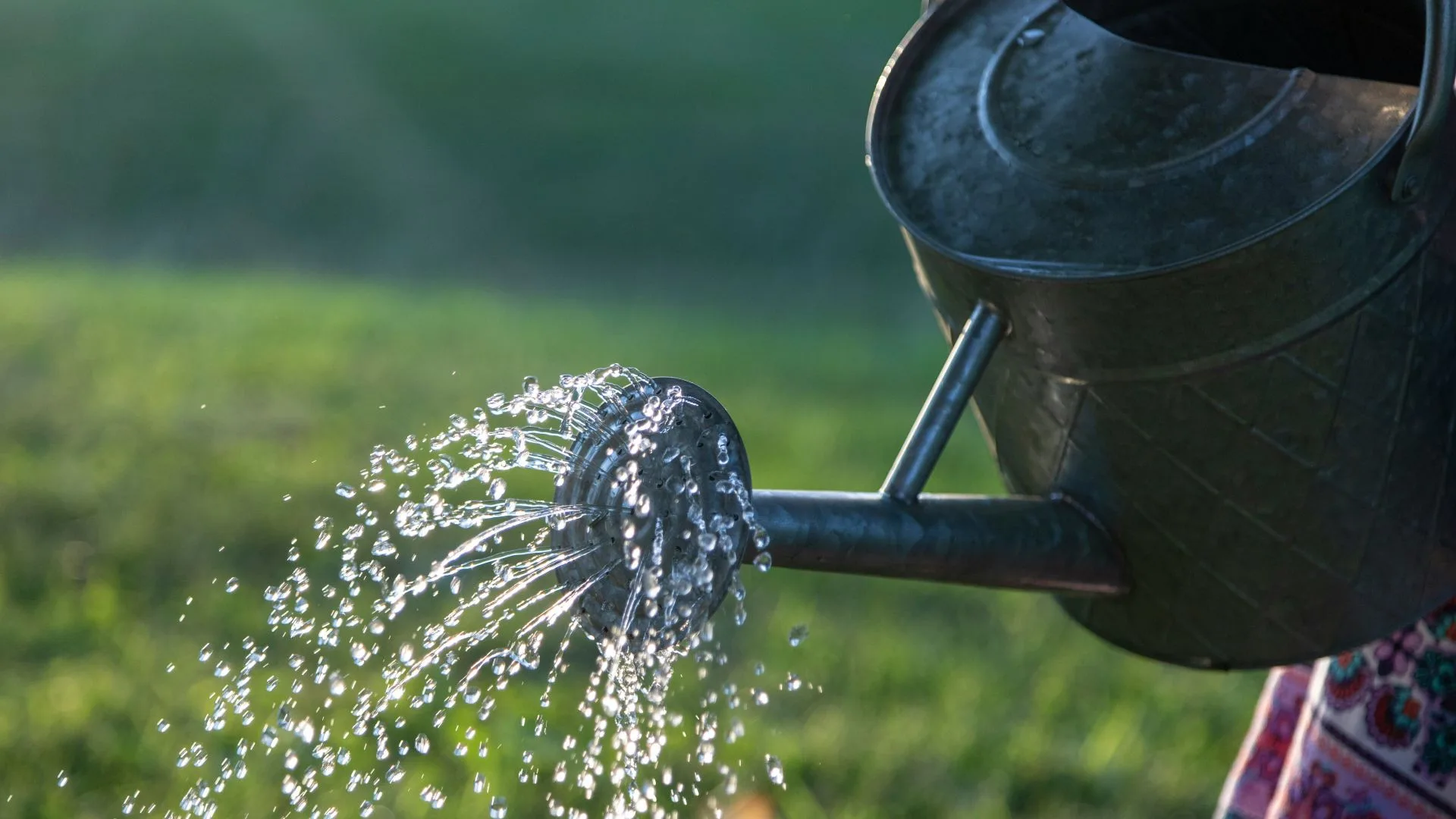
Residents can still water gardens using a watering can, bucket or water collected in a water butt, while washing vehicles with a bucket remains permitted.
Exemptions available
The Temporary Use Ban does not apply to everyone.
Exemptions remain in place for a range of circumstances, including customers with certain disabilities or medical conditions, animal welfare, livestock, some commercial activities, and the watering of food crops and certain newly planted trees.
The restrictions also do not apply to customers who receive wastewater services only or whose drinking water is supplied by another water company.
Thames Water says investment continues
Alongside the restrictions, Thames Water says it is continuing extensive work to improve the resilience of its network.
The utility is currently repairing more than 750 leaks every week, while moving water around its network to areas of greatest demand and monitoring supplies around the clock.
It says it is delivering the biggest upgrade to its water network in 150 years, having already laid more than 100 kilometres of new water mains since April 2025. The company has also installed more than 1.3 million smart meters to help detect leaks at customers’ properties and deployed over 70,000 acoustic sensors across its network to identify hidden leaks more quickly.
Restrictions will remain under review
Nevil Muncaster, Thames Water’s Director of Strategic Water Resources, said the company would not have introduced the Temporary Use Ban unless it was necessary to protect water supplies.
He said recent heatwaves and exceptionally dry conditions had led to sustained demand, adding that while there remained enough water for essential use, reducing non-essential outdoor water consumption was now vital to keep supplies flowing.
Mr Muncaster thanked customers who had already reduced their water use and said Thames Water’s teams were working around the clock to keep water moving across the network, repair leaks and support customers.
The company says it will continue monitoring reservoir levels, river flows, weather conditions and customer demand before deciding when the restrictions can be lifted. The hosepipe ban will remain in place until water resources recover sufficiently, with Thames Water pledging to remove the measures as soon as conditions allow.