An Oxford hotelier has raised concerns about the introduction of a tourist tax in the city, warning it could become “another burden” on businesses already facing a proposed congestion charge, according to our Local Democracy Reporter Esme Kenney.
Cities across the UK are beginning to adopt tourist levies, with Aberdeen City Council recently approving a seven per cent tax on hotel rooms, due to be introduced in 2027.
In England, councils cannot introduce such taxes directly, but Oxford City Council is exploring the creation of an Accommodation Business Improvement District (Abid), which would allow accommodation providers to decide on a levy and how the funds are used.
Manchester and Liverpool have both introduced Abids in recent years, with Manchester’s scheme raising £2.8 million in its first year. Oxford City Council estimates a £2 per night charge could generate around £2.5 million annually.
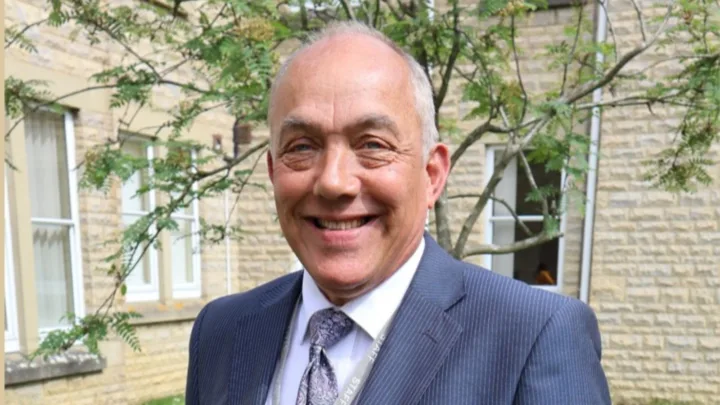
Jeremy Mogford, who owns several city-centre hotels and restaurants, including the Old Bank Hotel, the Old Parsonage and Quod Restaurant, said he would only support the move if it applied fairly across all providers, including university colleges, Airbnb, and serviced apartments.
Mr Mogford said: “A tourist tax is just another burden on struggling businesses when we do not see anything coming from the county council. They are absolutely single-minded in their pursuit of this myth that Oxford is congested 24 hours a day seven days a week.”
He argued that revenue should go towards promoting Oxford as a tourist destination rather than subsidising council services such as street cleaning.
He added: “The colleges are providing accommodation during the year and it’s unfair competition for us. They do not charge business rates, we do. There is a growing supply of serviced apartments in the city. They should be brought into the net.”
The debate comes as Oxfordshire County Council considers a temporary £5 congestion charge on six city roads, which could begin as early as Christmas.
Read more: Temporary congestion charge proposed for Oxford as council seeks urgent fix for traffic crisis
Graham Jones, from Rescue Oxford (ROX), which supports local businesses, acknowledged differing views. He said: “I know members of the business community who are in favour of it, but only if the money is spent wisely. If it’s used wisely to improve things for tourists in the city then there’s a good argument that it makes sense.”
Mr Jones noted shortcomings in local facilities such as public toilets and high parking costs compared with other destinations.
He added: “It’s got lots of things going for it in terms of culture and museums, so there’s a reason to come to Oxford. Of course, there are a couple of hurdles to come like the congestion charge. [The tourist charge] could help to compensate for things that are not working for businesses at the moment.”
Oxford City Council will appoint a consultant to establish two task groups to explore different options — one for hotels and another for Oxford University colleges.
Based on 75 per cent occupancy of 2,300 hotel rooms, hotels could raise £1.3 million annually, while colleges could generate £1.2 million from 8,000 rooms.
A council spokesperson said: “Oxford is a very popular tourist destination, and while numbers fell because of the Covid crisis they are now well on their way back to where they were before 2020.
“Like any popular tourist destination it comes with benefits and with pressures. The Abid option is therefore the only one open to us here in Oxford. Any decision to implement it rests with the accommodation businesses themselves, not the city council.”
The county council added that the proposed congestion charge would aim to cut traffic across the city, with free park and ride bus fares for the first two months of the scheme.
A spokesperson said: “If the scheme is approved, mobile traders and delivery vehicles will benefit from the reduced congestion given that vans are exempt and sole traders would be able to apply to use their cars as goods vehicle to drive for free through the charge points when carrying goods and equipment.”
Oxford University and the Oxford Preservation Trust have also been contacted for comment.