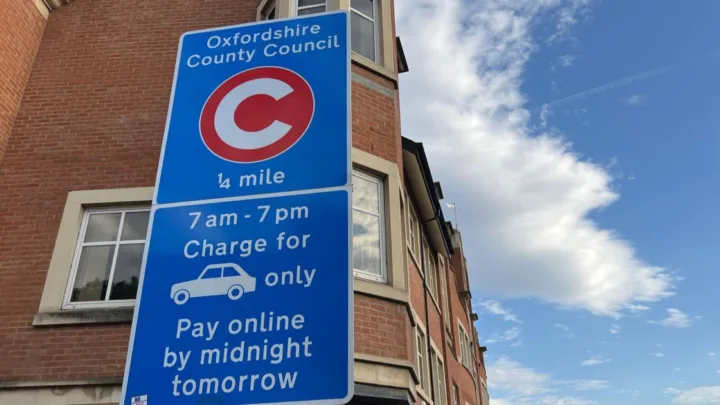
Oxfordshire’s new quiet lanes programme is facing a fresh challenge from Thames Valley Police, which has described proposed speed limits on a rural road near Stanton St John as “highly inappropriate”.
A decision is due on 03 September on plans to introduce a 20mph limit on Shepherds Pit Lane, replacing the existing 60mph national speed limit, while extending a 30mph restriction on the B4027 Wheatley Road.
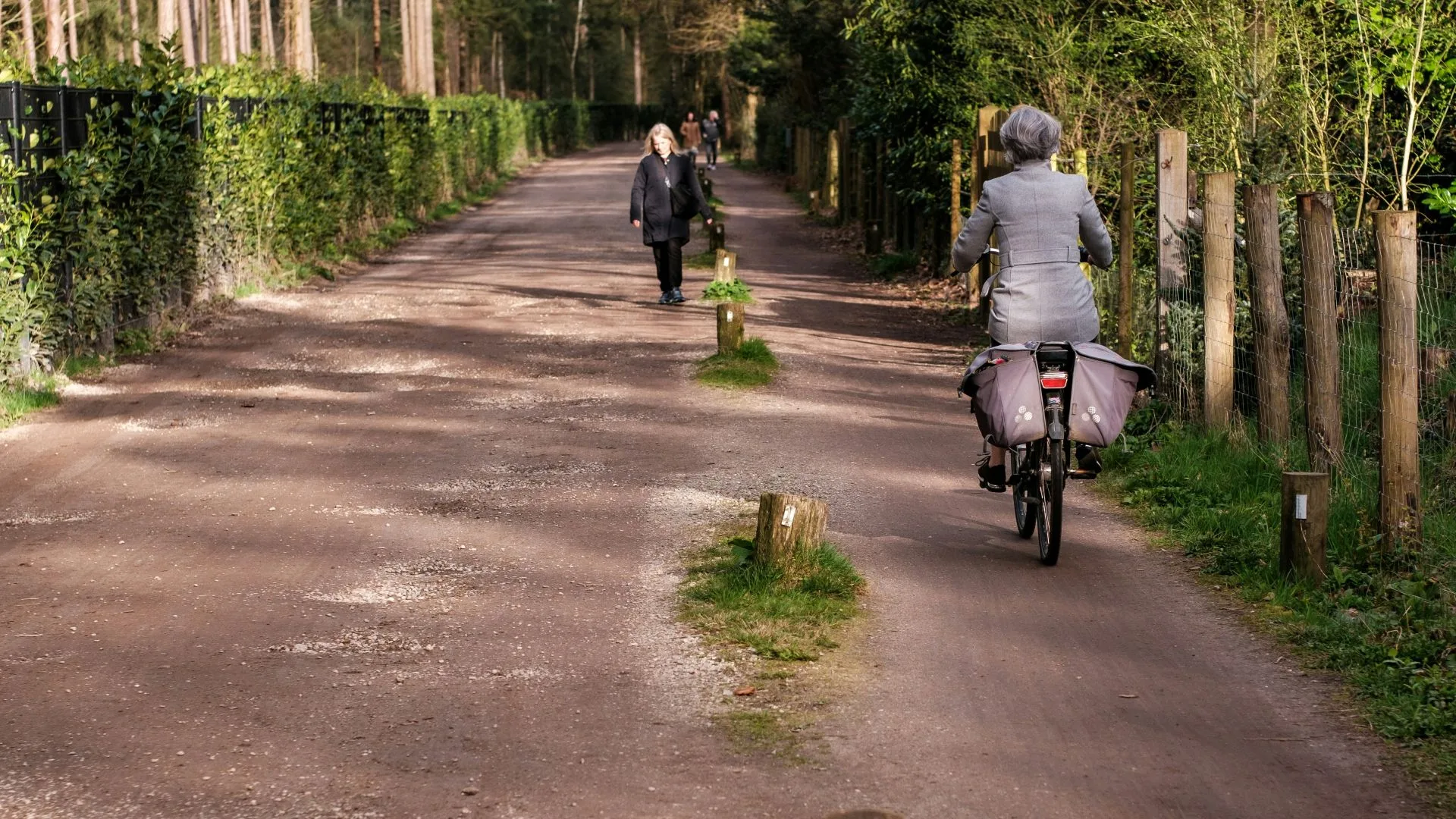
The proposals form part of Oxfordshire County Council’s wider quiet lanes programme, which aims to make rural roads and links between urban areas more attractive to people walking, wheeling, cycling and horse riding.
But the approach is already proving contentious, with the county’s plans going beyond the traditional Department for Transport model of a quiet lane by using physical traffic restrictions.
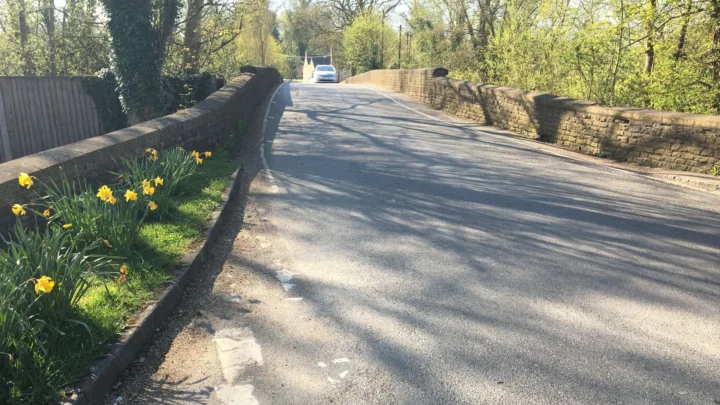
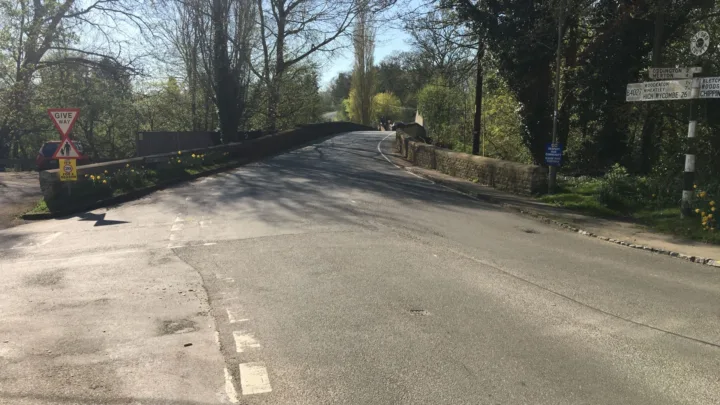
Shepherds Pit Lane is the first pilot to move forward under the new programme. The county council has already approved an experimental traffic regulation order that will close its southern end at the junction with Bayswater Road to motorised traffic, except for access. The route will remain available to pedestrians, cyclists, horse riders and other active travellers.
Police raise concerns
In its response to the consultation on the proposed speed limits, a Thames Valley Police traffic management officer objected to both restrictions.
“Accepting you already have an internal policy in terms of setting 20mph speed limits and following your withdrawal from National Guidance,” the officer wrote, “I can only object to these current proposals as being highly inappropriate under the circumstances.”
The objection comes against the background of wider concerns previously raised by police about the enforcement of 20mph limits, including limited resources and the possibility that unrealistic limits could be disregarded by drivers.
The council, however, argues that its transport strategy is clear about improving road safety while balancing the needs of different road users.
It says the quiet lanes programme is intended to reduce vehicle numbers and speeds, lower the risk and severity of collisions and make minor roads feel calmer and safer.
A majority of responses to the consultation on the Shepherds Pit Lane speed limits were supportive, according to the council.
A wider experiment
The Shepherds Pit Lane scheme is part of a broader policy approved by the county council in May. The authority describes its new approach as an enhancement of existing national quiet-lane guidance, with traffic restrictions used where appropriate to create safer routes for active travel.
The council says further pilot sites are being developed with parish councils and local elected members. Its current list includes locations such as Kingston Hill in Aston Rowant, while the authority says it is still working with Stanton St John on the final development of Shepherds Pit Lane.
The wider programme therefore has implications beyond one rural lane. It represents a test of how far Oxfordshire can reshape the use of minor roads — and how much restriction motorists will accept in return for quieter routes for walkers, cyclists and horse riders.
The proposed Shepherds Pit Lane speed limit is due to be considered by the Cabinet Member for Transport on 03 September 2026.
For the council, it is a test of its ambition to change how rural roads are used. For police and some motorists, the question is whether the resulting restrictions can be enforced — and whether the limits set on paper will translate into safer roads in practice.
Reporting contribution by Isabella Harris, Local Democracy Reporter (LDR) for Oxfordshire, covering local politics, council meetings and planning decisions across six councils in the county.