Sewage was discharged into two Oxfordshire rivers after the first significant rainfall following months of exceptionally dry weather, prompting renewed criticism of Thames Water and calls for the struggling utility to be placed into special administration.
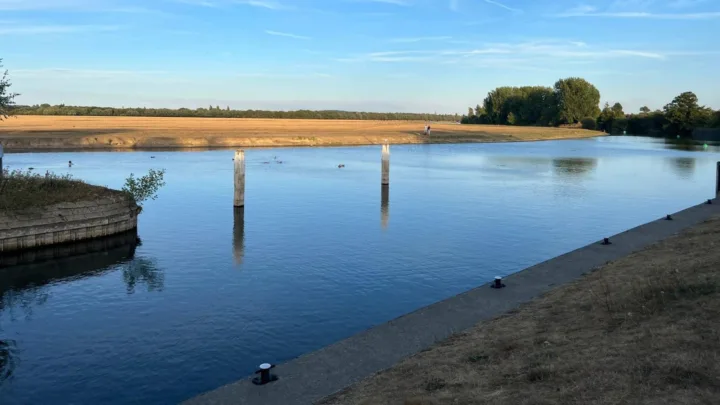
The River Windrush at Burford recorded a storm overflow lasting two hours and 30 minutes on Saturday, 29 August, while a discharge into the River Evenlode at Combe lasted two hours and 15 minutes the same day.
The incidents came as Oxfordshire remains caught between two apparently contradictory conditions: prolonged drought and a wastewater network under pressure when rain finally arrives.
Thames Water’s temporary hosepipe ban remains in force across its supply area, having come into effect on 23 July as the Thames region moved into drought conditions.
The company says the exceptionally dry summer has left the ground hard and less able to absorb rainfall. When heavy rain arrives, more water can run rapidly across the surface and into rivers and sewer networks, increasing pressure on the system.
That explanation has done little to quieten criticism from Witney MP Charlie Maynard, who has repeatedly called for Thames Water to be placed into special administration.
Posting about the latest discharges, Mr Maynard said that after months without substantial rain, the first few days of rainfall had seen sewage treatment works discharging into both the Windrush and Evenlode.
“This is not good enough,” he said, calling again for the company to be placed into special administration.
Special administration is an insolvency process designed to maintain essential services while dealing with a company’s financial failure. It is distinct from conventional nationalisation.
Mr Maynard’s intervention comes as Prime Minister Andy Burnham prepares to make his first statement to the House of Commons since becoming prime minister. Mr Burnham is expected to argue for greater public control of essential services, including water, energy and transport.
The question of Thames Water’s future has already featured prominently in the government’s thinking. Mr Burnham has been considering changes to insolvency law that could make it easier for utilities to be brought under public control, although significant financial and legal obstacles remain.
Why rain after drought can be a problem
The latest discharges also illustrate a less intuitive consequence of prolonged dry weather.
The Rivers Trust has warned that heavy rain falling on exceptionally dry ground can produce rapid surface runoff rather than simply soaking into the landscape. That runoff can reach rivers and sewer networks quickly, increasing pressure on drainage infrastructure.
The first rainfall after a long dry period can also wash accumulated pollutants from roads, farmland and urban areas into waterways. The Rivers Trust describes this phenomenon as the “first flush” and warns that it can create a highly polluted environment, with consequences for river ecosystems that continue after the rain has passed.
The problem is particularly significant when rivers are already experiencing low flows. The Rivers Trust says that reduced river levels can increase the concentration of pollutants while putting additional stress on freshwater ecosystems.
For people who use Oxfordshire’s rivers recreationally, the latest discharges have also had an immediate consequence.
Comments responding to Mr Maynard’s post included reports from residents who had cancelled swimming plans because of sewage releases, alongside anger about the frequency of discharges and concern about the effect on wildlife.
The Windrush and Evenlode are particularly sensitive local waterways. Mr Maynard told Parliament in July that West Oxfordshire was “ground zero” for sewage pollution, highlighting the Windrush, Evenlode, Shill Brook and Cole among the area’s affected rivers. He also cited research into alleged illegal spills within his constituency.
Thames Water says discharges are permitted
Thames Water said the exceptional summer conditions had contributed to the pressure on the wastewater network.
“During our record-breaking summer the ground has become hard and is absorbing less rainfall,” a spokesperson said.
“When heavy rain arrives, more water runs off the surface and reaches rivers and sewers quickly, increasing pressure on the wastewater network.”
The company said it takes its environmental responsibilities seriously, that pollution incidents are falling and that it is upgrading its wastewater network.
It also stressed that storm overflows are a legally permitted part of the wastewater system and operate within limits set by the Environment Agency.
The company said the discharges are heavily diluted by rainwater and that the system was designed to prevent sewage backing up into people’s homes during periods of intense rainfall.
But for communities around the Windrush and Evenlode, the latest episode raises a broader question: if a wastewater system can come under pressure after the first substantial rain following a drought, how resilient is it as Oxfordshire’s population and development continue to grow?
That question is likely to become increasingly important as the county balances new development, water scarcity, flood risk and efforts to restore some of its most important rivers.
For now, the paradox remains stark: Oxfordshire residents are being asked to conserve water because of drought, while rainfall that finally arrives can trigger sewage discharges into the same rivers that the restrictions are intended, in part, to protect.
Reporting contribution by Isabella Harris, Local Democracy Reporter (LDR) for Oxfordshire, covering local politics, council meetings and planning decisions across six councils in the county.