The government has delayed its decision on the controversial Botley West solar farm for a second time, extending the deadline for a decision on one of the UK’s largest proposed solar developments to 10 November.
The latest postponement means the fate of the scheme, which would span about 1,000 hectares (2,471 acres) across parts of Oxfordshire, will remain unresolved for at least another two months.
The Department for Energy Security and Net Zero said the extension would allow ministers and other interested parties to consider further information submitted by the applicant.
Martin McCluskey, the minister for local energy and jobs, said the new deadline was being set to allow the additional material to be properly considered.
The extension, he stressed, was without prejudice to the eventual decision on whether development consent should be granted or refused.
The decision will ultimately rest with the secretary of state for energy security and net zero, Miatta Fahnbulleh, who took over the role from Ed Miliband in July.
A project of national significance
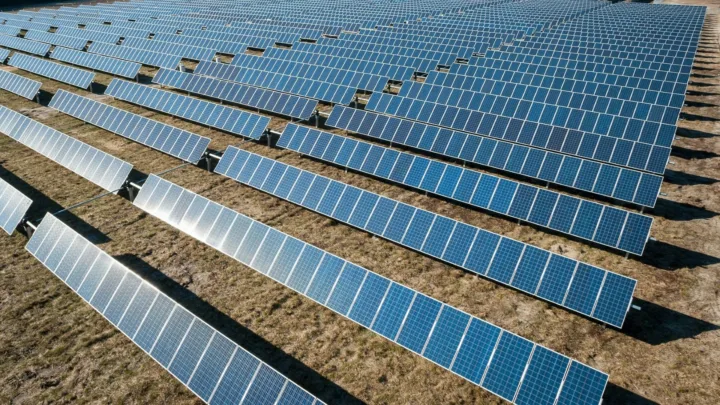
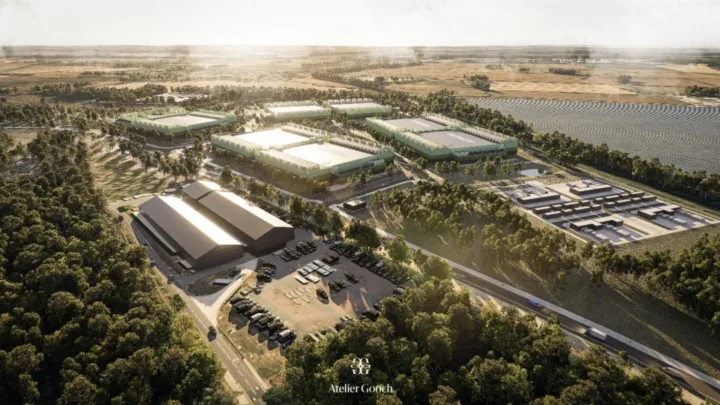
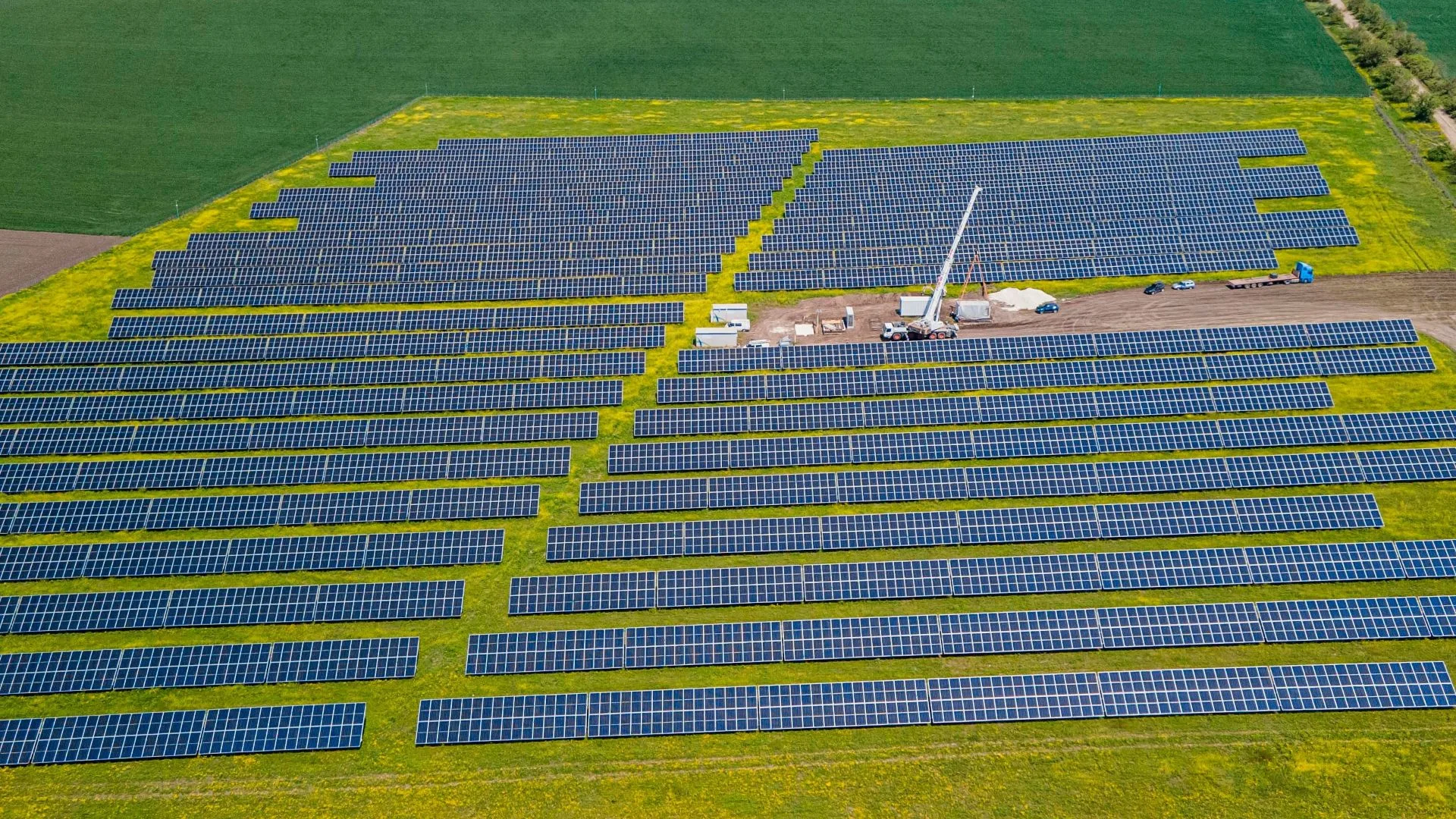
Botley West is being proposed by Photovolt Development Partners (PVDP) on behalf of SolarFive Ltd. The development would occupy land across West Oxfordshire, Cherwell and the Vale of White Horse and has a proposed generation capacity of 840 megawatts.
The developer says this could provide enough electricity for the equivalent of around 330,000 homes.
Because of its scale, Botley West is classified as a Nationally Significant Infrastructure Project rather than an ordinary local planning application. Its Development Consent Order application was accepted for examination in December 2024, and the examination concluded in November 2025.
The Examining Authority subsequently submitted its report and recommendation to the secretary of state, leaving the government with the final decision.
The decision had already been delayed once.
In March, the government extended the original statutory deadline to 10 September, saying it needed additional information from the applicant and time for interested parties to consider it.
Now, with that deadline approaching, the government has granted a further extension to 10 November.
A scheme that has divided Oxfordshire
For PVDP, the scale of Botley West is central to its case for approval.
The company says the project could make a substantial contribution to Britain’s renewable energy capacity, energy security and efforts to reduce carbon emissions. It also proposes new footpaths and cycle routes, landscape and ecological measures and a minimum biodiversity net gain of 70%.
But the proposal has become one of the most contentious development schemes in Oxfordshire.
Opponents argue that thousands of acres of solar infrastructure would fundamentally alter the rural landscape between Oxford and surrounding communities. Campaigners have raised concerns about the effect on heritage, landscape, ecology and the character of an extensive rural corridor.
Stop Botley West, one of the principal campaign groups opposing the development, criticised the latest extension, arguing that the applicant had been given additional time to address questions surrounding its proposals.
The group’s position reflects a wider frustration among opponents who have already spent years participating in consultations and the formal examination process.
Bicester and Woodstock MP Calum Miller, who has opposed Botley West, has also called for the application to be rejected, arguing that renewable energy development should deliver greater benefits to the communities in which it is located.
Oxfordshire’s solar debate is getting bigger
The controversy surrounding Botley West comes as another exceptionally large solar project emerges elsewhere in the county.
Cearn Solar Farm, proposed for land in the Vale of White Horse, has been unveiled as a project covering approximately 2,800 acres — making it larger in land area than Botley West.
Read more: Solar farm nearly 1.5 times the size of Blenheim Palace estate proposed across Vale of White Horse
The proposed scheme would have a grid connection offer of up to 500MW and include battery energy storage. Its electricity would be exported through underground cables to a proposed National Grid substation near Farmoor.
Cearn is still at an early stage. Stakeholder workshops are expected in September and October, followed by public consultation in early 2027. No planning application has yet been submitted to the Planning Inspectorate.
Its emergence adds another dimension to an increasingly significant question for Oxfordshire: how much of the county’s countryside should be used to accommodate the infrastructure required for Britain’s transition to renewable energy?
Unlike Botley West, however, Cearn has yet to reach the formal Development Consent Order examination stage.
Another wait for Botley West
For now, the focus returns to Botley West.
The government’s latest statement does not indicate whether ministers are leaning towards approval or refusal. Instead, the November deadline leaves the application in an unusual final stage: the examination has concluded, a recommendation has been made, but the secretary of state is seeking further information before making the final decision.
If approved, construction would represent a major change to the landscape west and north-west of Oxford. If refused, it would mark the end of a development that has been under consideration for several years and has become a defining test of how Oxfordshire balances renewable-energy ambitions with the protection of its rural landscape.
For residents, campaigners and the developer alike, the next date in the long-running story is now 10 November 2026.