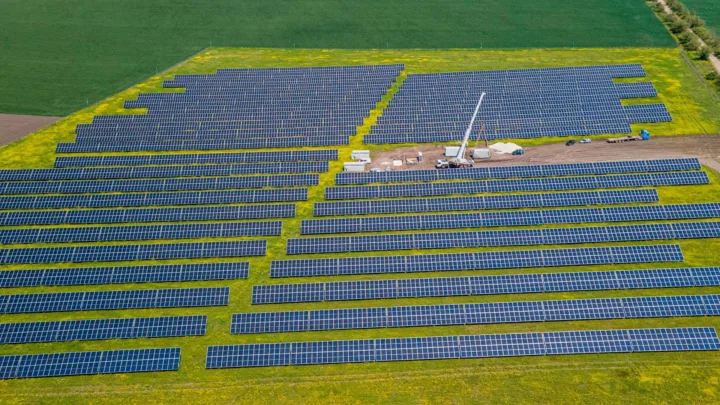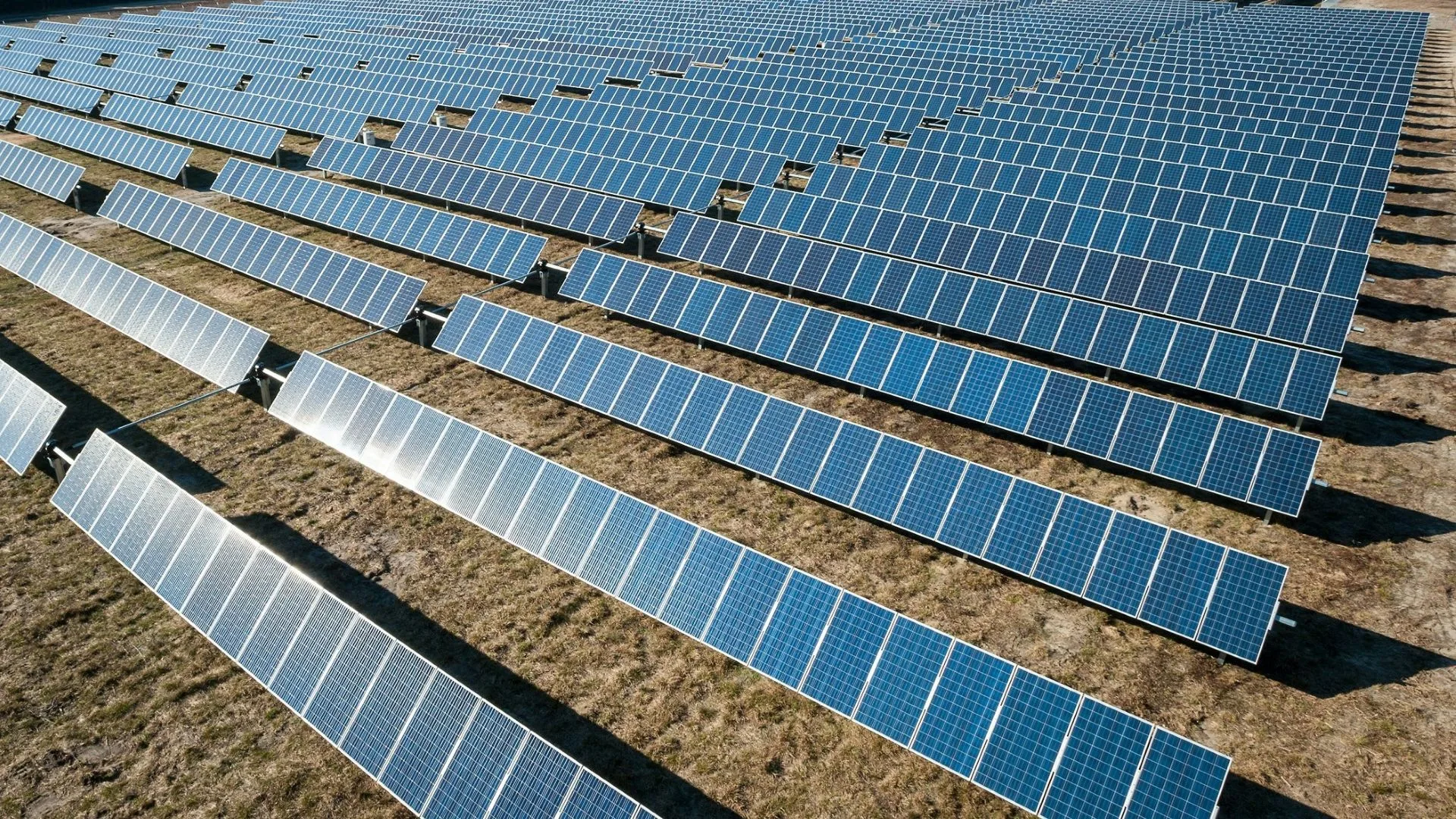
A vast new solar farm covering around 2,800 acres has been proposed across the Vale of White Horse, with developers saying it could generate enough electricity to power the equivalent of up to 143,000 homes each year.
The proposed Cearn Solar Farm would span an area nearly one and a half times the size of the Blenheim Palace estate, across farmland around Garford, Charney Bassett, West Hanney, Goosey and Baulking.
The project is being developed by Cearn Solar Farm Ltd, a subsidiary of Telis Energy UK. It would have a grid connection capacity of up to 500MW, with electricity transported underground to a proposed National Grid substation at Farmoor, around 12km to the north-east.
The scheme would also include a battery energy storage system, allowing surplus electricity generated by the solar panels to be stored and released when demand is higher.
Cearn is at an early stage and no planning application has yet been submitted. Because the proposed development would have a generating capacity above 100MW, it would be classified as a nationally significant infrastructure project and would require a Development Consent Order under the Planning Act 2008.
The final decision would be made by the Secretary of State following examination by the Planning Inspectorate.
Consultation planned
The developers are preparing a two-stage engagement programme.
The first stage, running through September and October 2026, will involve targeted engagement with technical stakeholders, elected representatives and other organisations. It is not intended as a general public consultation.
A wider public consultation is planned for early 2027, when residents and communities will have an opportunity to comment on the proposals.
Cearn says its approach will be “landscape-led”, with the project designed to retain agricultural use where possible while incorporating biodiversity improvements, new planting, grassland and wildflower meadows.
The developers say the solar infrastructure would be designed alongside measures for water and flood management and wildlife habitats.
The scheme would also establish a Community Benefit Fund and explore opportunities for investment in local communities.
Agriculture, landscape and the environment
The proposed development would occupy agricultural land across several areas of the Vale of White Horse. Cearn says sheep grazing and other forms of agricultural co-use could continue alongside the solar infrastructure.
The company says the project is intended to be temporary and reversible, with land capable of returning to agricultural use when the solar farm reaches the end of its operational life.
Potential environmental impacts are being assessed across areas including agricultural land and soils, archaeology and heritage, transport, hydrology, biodiversity and landscape character.
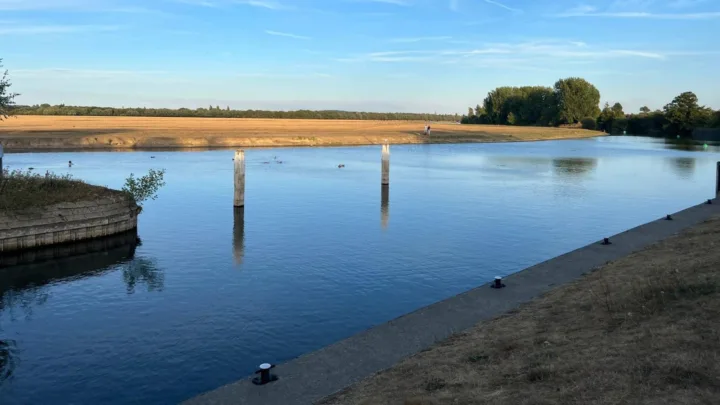
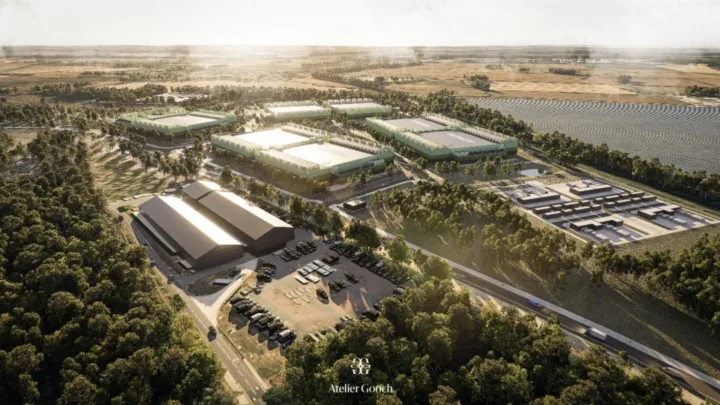
Cearn also says it is in discussions with Thames Water about the proposed White Horse Reservoir, which would occupy part of the wider area, with the aim of understanding and managing potential cumulative effects.
The developers are also exploring whether a private-wire connection could potentially supply electricity directly to a local business hub, although this remains at an early feasibility stage.
Part of a changing Oxfordshire energy landscape
Cearn is one of a number of large renewable-energy proposals emerging across Oxfordshire as the UK seeks to expand solar generation and battery storage.
The project would be considerably smaller in generating capacity than the proposed Botley West Solar Farm, which would have an 840MW capacity, but Cearn would occupy a substantial area of countryside in its own right.
Its proposed 2,800-acre footprint is equivalent to around 4.4 square miles.
Cearn says the development would contribute to energy security and the transition to a lower-carbon electricity system, while bringing biodiversity and community benefits to the area.
However, those benefits will ultimately have to be weighed against the impact of the development on farmland, landscape and local communities through the planning process.
For now, Cearn remains a proposal rather than an approved development, with the first formal stage of community engagement expected to begin this autumn.