Plans to extend operations at a waste management facility in Sutton Courtenay until 2039 are set to face refusal, after Oxfordshire County Council officers raised concerns about the prolonged industrial use of the site and its impact on the surrounding landscape.
FCC Environment submitted an application in June to continue operating its waste transfer and recycling facilities beyond their current planning permission, which expires in 2030. The waste transfer facility handles up to 60,000 tonnes of non-hazardous waste a year, while the application would allow the associated buildings and operations to remain in place for a further nine years, until the end of 2039.
In a report prepared ahead of the county council’s planning committee meeting on Monday, 09 November, officers recommended refusing the application, arguing that retaining the facilities would delay the restoration of the wider site. They said the proposal would prolong the industrialisation of an area where the surrounding landfill would otherwise be undergoing restoration, with unacceptable consequences for people using nearby public rights of way and footpaths. Approval, they warned, would prevent both the application site and the wider landfill from being restored in a timely and phased manner.
The recommendation comes after a difficult summer for FCC, with more than 1,000 complaints about odours recorded between July and September, according to local MP Olly Glover. Residents described persistent smells that prevented them from opening windows and disrupted their sleep, adding to concerns about the environmental impact of the site’s operations.
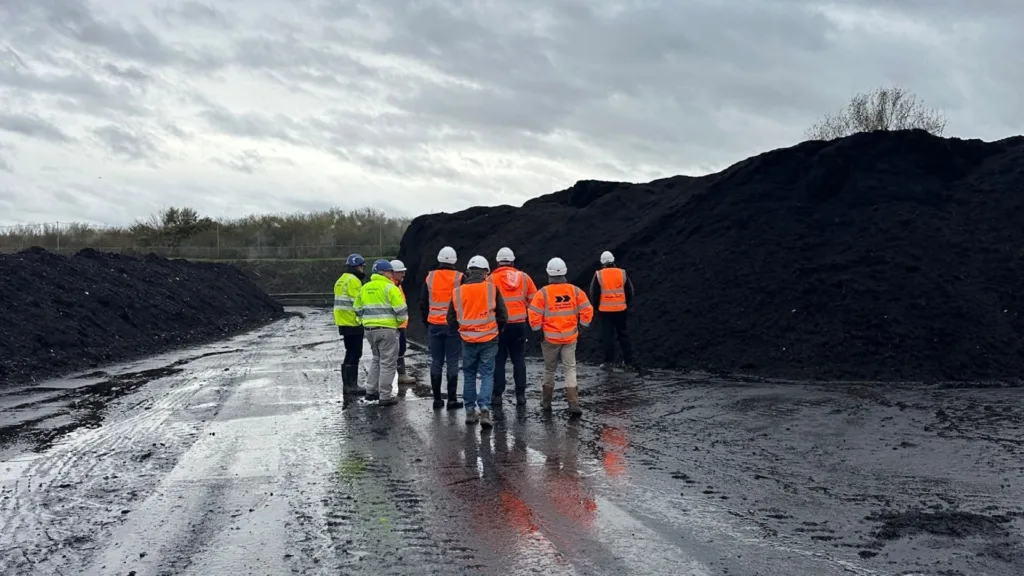
There were also two separate fires at FCC’s Sutton Courtenay operations. A fire broke out at the landfill in August, followed by a separate incident involving green waste at the composting facility in September. The latter burned for an extended period before being extinguished on 25 September, with smoke affecting nearby communities including Didcot, Appleford and Culham.
Mr Glover subsequently visited the site to raise residents’ concerns with the operator and discuss the causes of the incidents, as well as measures to reduce the risk of them happening again. He said he would continue working with FCC and the Environment Agency to improve communication with the local community and press for long-term improvements.
FCC maintains that it intends to close the landfill by 2030, when its existing planning permission expires, although it says operations must continue until a long-term sustainable landform has been achieved. A spokesperson said the company took its environmental responsibilities seriously and had been working with the Environment Agency to investigate recent reports of odour and mitigate any potential impact on neighbouring communities.
On the September fire, the company said it had worked to extinguish the blaze in accordance with fire service advice, reducing the period of controlled burning, although the root cause remained unknown. It also stressed that landfill operations could not simply stop before the site had been properly completed and restored, adding that it intended to close as soon as the required landform had been achieved and, in any event, by 2030.
The distinction between the landfill and the waste transfer facilities is important to the planning decision. The application does not seek to extend the landfill’s existing permission beyond 2030; rather, it concerns the continued operation of the associated waste management facilities after that date. The council’s recommendation therefore raises a separate question about how the site should be restored and what infrastructure should remain once landfill operations have ended.
Beyond Sutton Courtenay, the longer-term provision of waste management facilities across Oxfordshire is also under consideration. The county council is preparing a new minerals and waste local plan to address requirements beyond 2031, with a 30-month programme expected to begin in April 2027.
A council spokesperson said landfill sites were often associated with former quarries, some of which could be restored through the use of imported waste materials followed by landscaping. Although the authority expects greater emphasis to be placed on treatment, reuse and recycling, it acknowledged that some landfill capacity would probably still be required after 2031 for waste that could not be managed higher up the waste hierarchy.
The planning committee is due to consider FCC’s application on Monday, 09 November.