English whisky has been granted Geographical Indication status by Defra, giving the rapidly growing industry legal protection for the name and setting new standards for production, while Oxfordshire distilleries are among those positioned to benefit from the recognition.
English whisky has secured protected Geographical Indication status, bringing it into the UK’s recognised family of protected national whisky categories alongside Scotch, Welsh and Irish whisky.
The decision was announced by the Department for Environment, Food and Rural Affairs on 11 September and follows more than six years of work by the English Whisky Guild and its members. Defra says the protection recognises the distinctive character and growing reputation of English whisky.
The official registration is due to take effect on 01 October, following a 20-day notice period. The government says the registration will provide legal protection for the name under the UK Spirit Drinks Geographical Indications Scheme.
For producers, the designation establishes a defined set of requirements for whisky sold as English Whisky or English Whiskey.
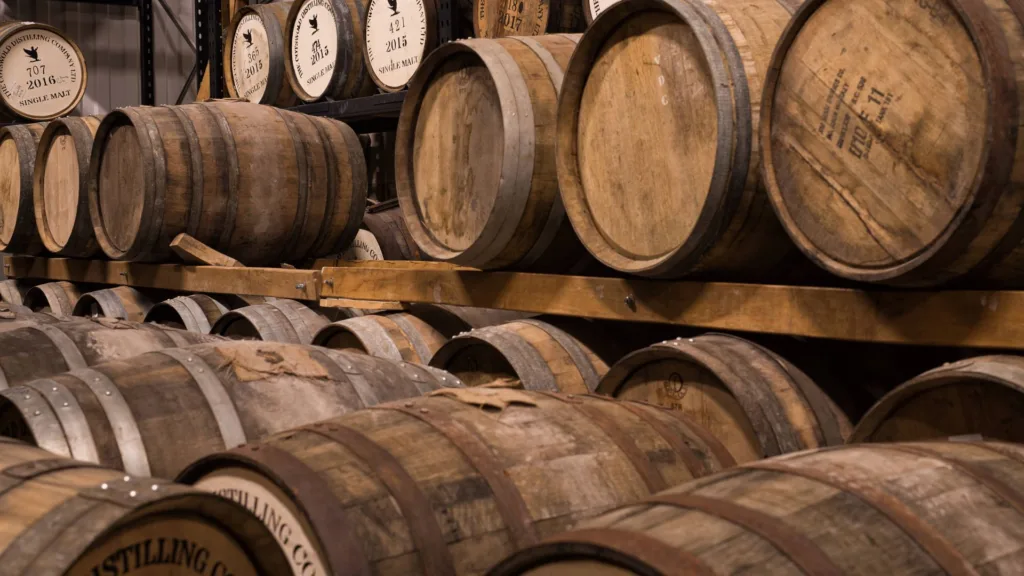
Under the approved specification, the whisky must be produced in England using UK cereal grain and English water. It must be distilled in England at less than 94.8 per cent alcohol by volume and matured in England for at least three years in wooden casks of no more than 700 litres. It must be bottled at a minimum of 40 per cent ABV.
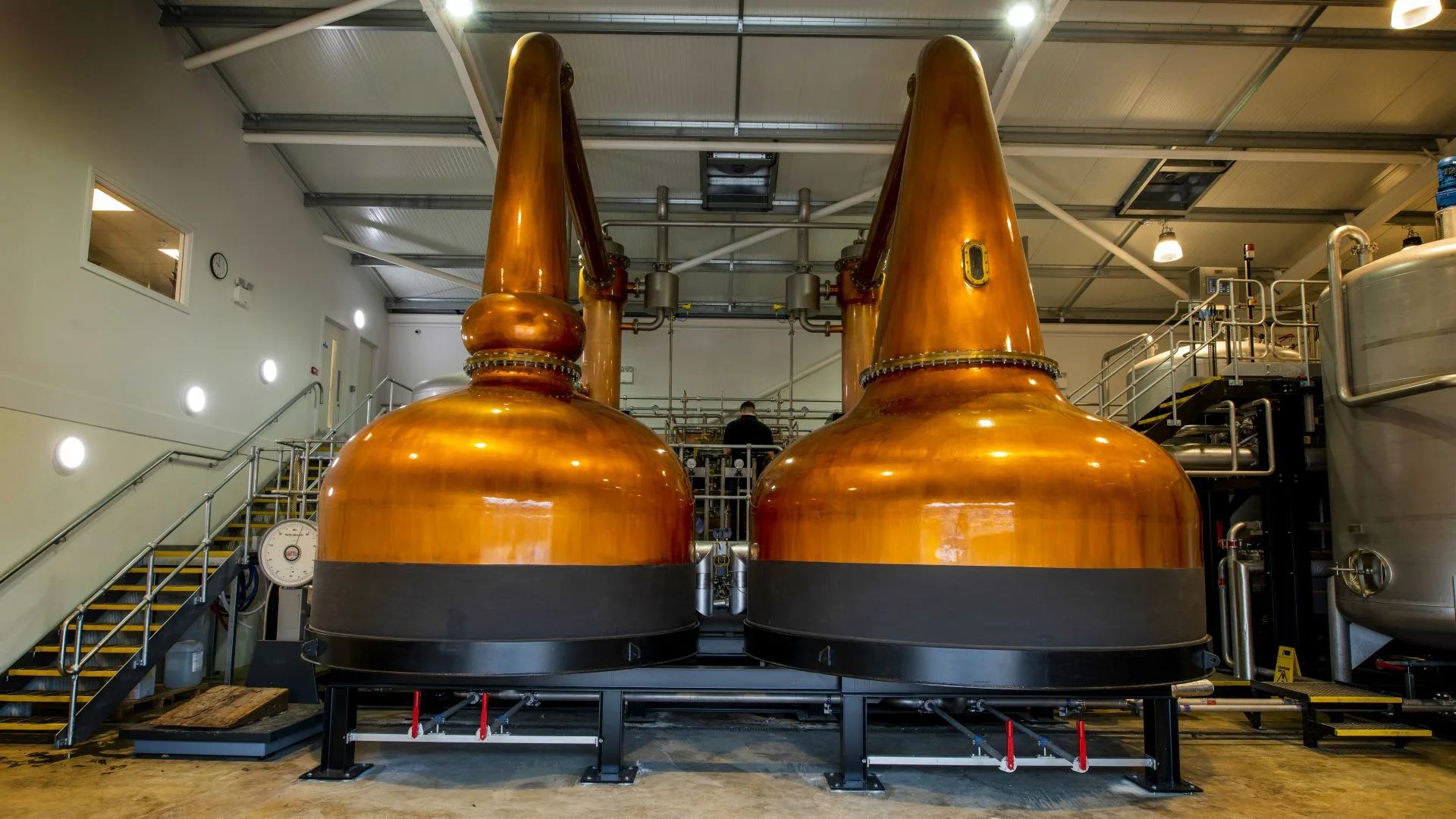
The rules also allow producers considerable flexibility in how they make their whisky. English whisky can use modern still designs and, subject to the specification and labelling requirements, wooden casks other than oak. The GI also recognises both malt and grain English whisky, as well as single and blended categories.
An emerging English whisky industry
The government says more than 70 distilleries are now producing English whisky, compared with 46 in 2023, with bottles being exported to more than 30 countries. It estimates that maturing whisky stocks held in casks across England are worth around £1 billion.
The modern revival of English whisky dates to 2003, when Hicks & Healey laid down whisky in Cornwall. Since then, producers across England have developed a category that has deliberately avoided simply replicating the traditions of Scotch whisky.
The new GI is intended to give that industry a clearer identity and greater protection as it expands into domestic and international markets.
Environment Secretary Dame Angela Eagle said the new status would recognise English whisky’s character and craftsmanship while supporting jobs, investment and communities associated with production.
Oxfordshire connection
The change is particularly relevant to Oxfordshire, where the emerging English whisky industry already has a presence.
Abingdon Distillery, in the centre of Abingdon-on-Thames, produces single malt English whisky alongside its gin and rum. The distillery has begun offering whisky tours and tastings, and its whisky programme uses English-grown barley.
The county was also home to The Oxford Artisan Distillery, which helped establish Oxford as part of the modern English whisky story. The Oxfordshire business was among the early pioneers of the sector, while its former co-founder Tagore Ramoutar subsequently played a role in developing the English Whisky Guild’s GI specification.
There’s also the Cotswolds Distillery, located near Chipping Norton, whose whisky production has become a significant part of the region’s wider distilling landscape.
The GI is voluntary, meaning producers will need to meet the specification and undergo verification if they want to use the protected designation.
For consumers, the significance is likely to be less about changing the character of individual bottles than providing a clearer guarantee of provenance and production standards. For producers, the protection offers a legal framework around the identity of a category that has expanded rapidly in little more than two decades.
The next stage will be the transition to the new requirements and the formal registration of English Whisky and English Whiskey on 01 October.
With distilleries now operating across England, the decision marks a significant step in the emergence of an English whisky industry — and gives Oxfordshire’s own producers a newly protected category in which to compete.