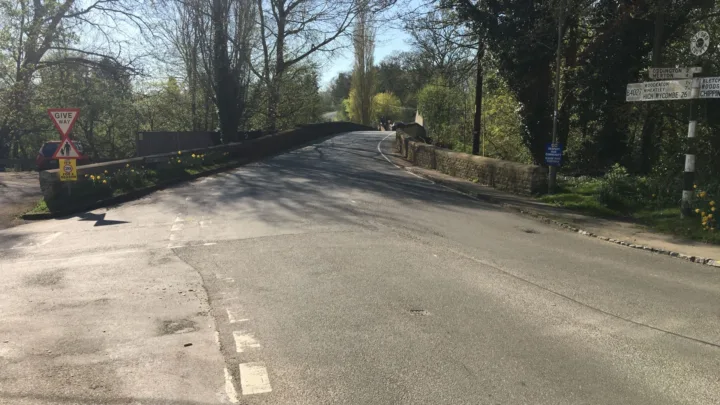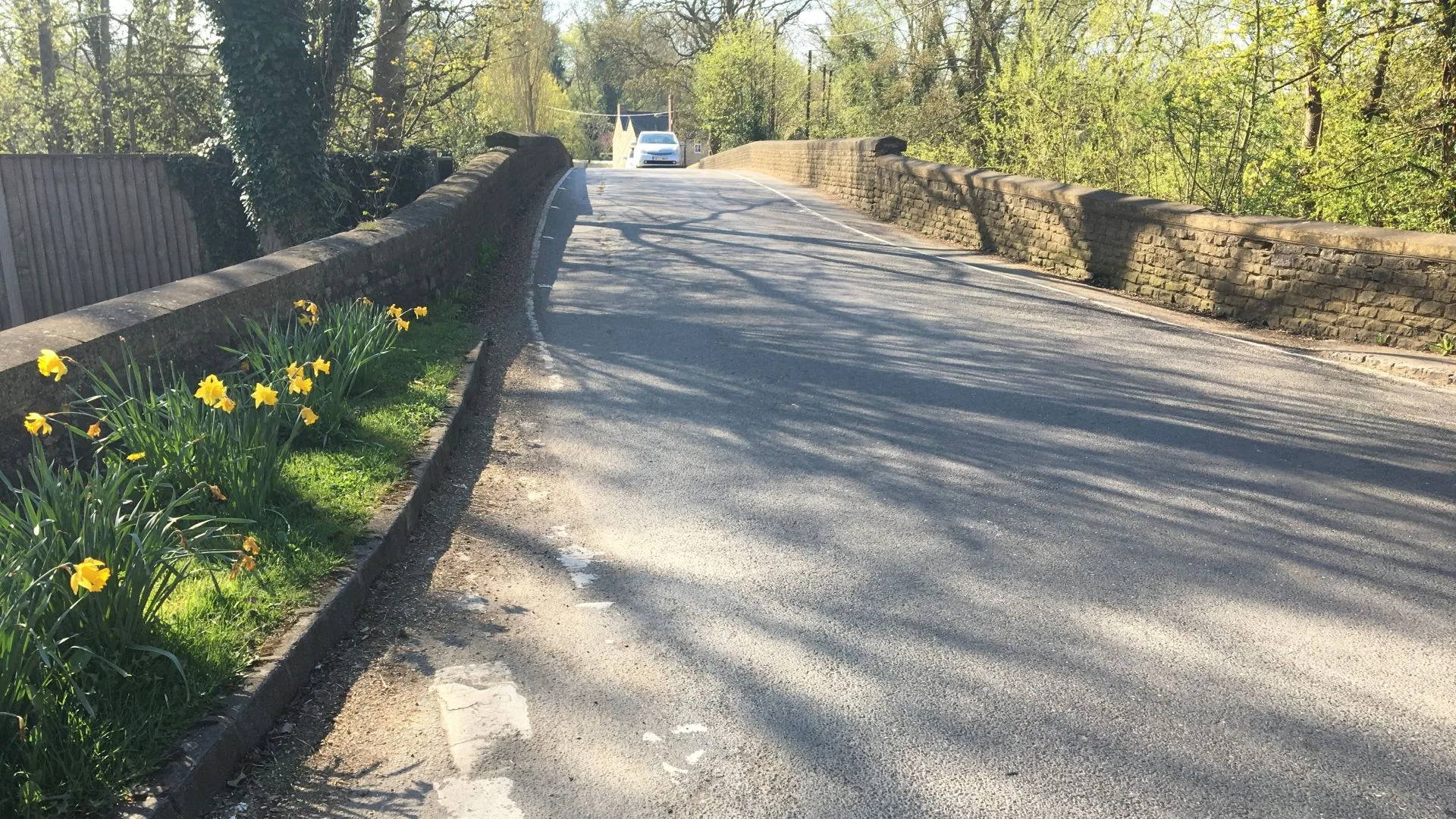
The planned closure of Islip Bridge could send motorists on millions of additional miles of journeys over the course of the works, according to an Oxfordshire resident who has questioned whether the wider consequences of the disruption have been properly assessed.
The bridge is due to close on 28 September for a programme of repairs and changes to the surrounding road layout. Oxfordshire County Council says the works are necessary because the structure has deteriorated amid increasing traffic volumes and heavier vehicles.
The closure is expected to last around three months.
Read more: Islip Bridge to close for 10 weeks as major traffic and safety works begin
For those who normally cross the bridge, the alternative route is considerably longer. The council has cited the example of a journey between Beckley and Bletchingdon, which it estimates at around 6.8 miles and 13 minutes via Islip Bridge, compared with approximately 13 miles and 29 minutes using the diversion.
One Oxfordshire resident, who asked not to be named, has used the council’s figures for daily traffic over the bridge to estimate the potential cumulative impact.
Based on around 6,500 vehicle crossings a day, he calculates that the closure could result in approximately 2.2 million additional miles of driving, equivalent to around 11 years of additional journey time and potentially 614 tonnes of additional carbon dioxide emissions.
Those figures are his calculations rather than figures produced or endorsed by the county council, and the actual impact will depend on where individual drivers are travelling and which routes they take.
The resident said he had questioned whether the council had calculated the additional distance and time that bridge users could face, as well as the wider cost to the public.
“From what I can tell, the council did not bother to work out how inconvenient or the costs to the public,” he said.
“Nor did they consider options to conduct the work more quickly.”
He said he had contacted authorities and politicians about his concerns but had not received responses.
The council, responding to a freedom of information request, said the total impact could not be fully quantified without knowing the individual journeys motorists had intended to make.
The closure is part of a wider scheme that will see new three-way traffic signals installed, the road narrowed and the footway widened. Mill Street will become one-way, while drainage repairs will also be carried out.
The council says the timing has been chosen to follow the summer harvest, when agricultural traffic is expected to be lower.
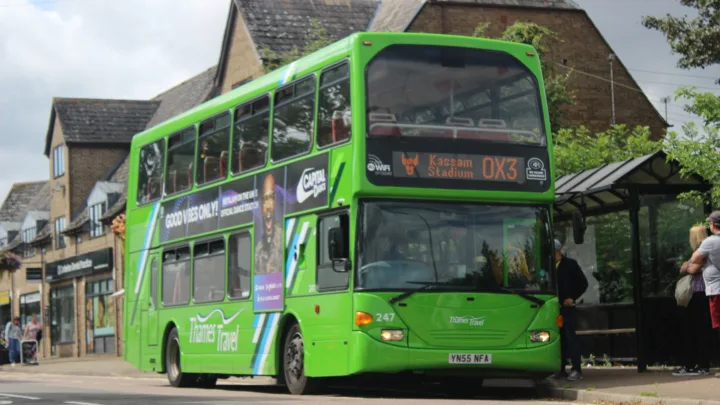
Public transport will also be affected, although a shuttle bus will operate between Barton and the bus stop on the southern side of Islip Bridge. Pedestrian and cyclist access will remain available.
The H5 service between Bicester and the John Radcliffe Hospital will continue to serve Islip from the north, while buses will use a diversion via Kidlington Road, Bicester Road, the A40 and Barton.
The prospect of longer journeys has already prompted Islip Medical Practice to warn patients to allow extra time and use an alternative route where possible.
The county council acknowledged that the closure would cause significant disruption but said delaying the work could ultimately create a greater problem.
“The decision to undertake these works has not been taken lightly,” a spokesperson said.
The council said the scheme was required to protect the bridge and ensure it remained safe and serviceable, warning that further deterioration could lead to unplanned restrictions or emergency intervention.
That, it said, could result in more severe disruption with considerably less opportunity for people to prepare.
The programme had been developed with designers and contractors after considering construction requirements, safety risks, environmental constraints and available resources, the council said.
It also rejected the suggestion that apparently straightforward elements of the project could simply be removed to shorten the closure, saying each component was necessary and had to be completed safely and in accordance with statutory requirements.
The start date, it said, had been coordinated around contractor availability, specialist materials and the wider programme of county works.
The council added that it would continue working with the contractor to identify opportunities to accelerate the programme and reduce the closure period where this could be done safely and practically.
For residents and businesses around Islip, however, the issue is not simply how long the bridge is closed. It is how many journeys will be lengthened, how much additional traffic will be pushed onto surrounding roads and what the cumulative cost will be for people who rely on the route every day.
With thousands of vehicles crossing the bridge each day, even relatively modest additional distances can accumulate rapidly over several months.
The closure therefore represents a significant test of how the county balances the immediate inconvenience of essential infrastructure work against the longer-term consequences of allowing an increasingly deteriorated bridge to remain in service.
For now, the council’s position is that carrying out the work before the bridge deteriorates further is the safer option — while motorists face the prospect of finding their own way around Islip for the duration.
Reporting contribution by Isabella Harris, Local Democracy Reporter (LDR) for Oxfordshire, covering local politics, council meetings and planning decisions across six councils in the county.