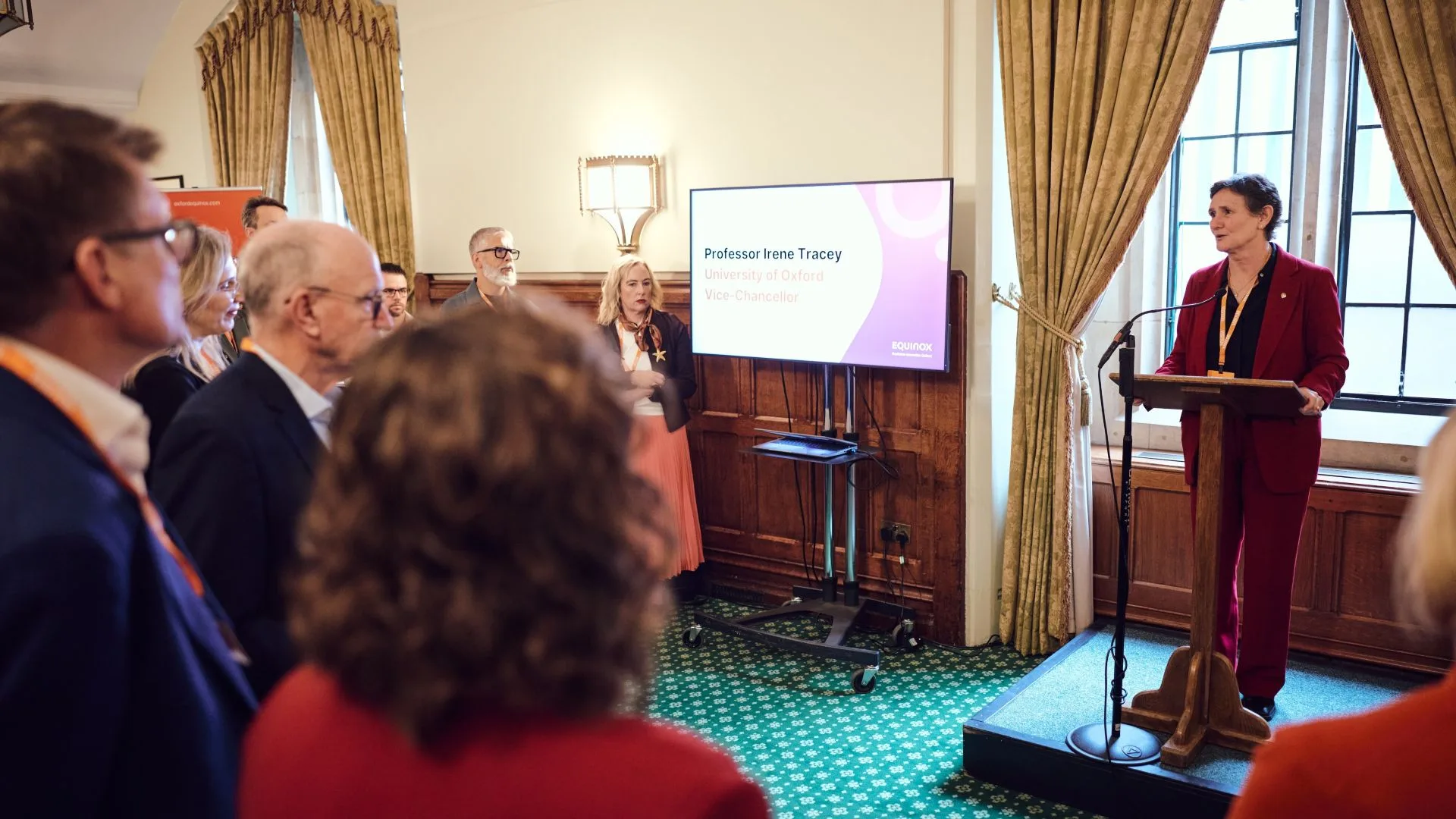
Oxfordshire aims to create 20 unicorn companies, attract more than £1 billion a year in venture and growth investment and generate 30,000 net new innovation-linked jobs by 2035, under a strategy to strengthen the county’s position as a global centre for science and technology.
The Equinox 2035 Strategy was launched at the House of Commons on 19 October. It sets out a 10-year ambition to turn Oxfordshire’s research strengths into more globally competitive businesses, while ensuring that economic growth creates employment and opportunities for people across the county.
Other targets include attracting investment from 10 leading US venture capital funds and 10 UK pension funds, establishing six global corporations with a permanent Oxfordshire presence, and placing the county among the world’s three leading innovation-intensive clusters per capita.
The targets are ambitions rather than guaranteed outcomes. The strategy’s central challenge is to help more companies move from research and early-stage development to commercial success, without having to relocate elsewhere to secure the capital, talent and infrastructure needed to grow.
Oxfordshire already has around 3,000 high-tech businesses employing approximately 30,000 people, according to the figures accompanying the strategy. Its research and innovation infrastructure includes Harwell and the AI Growth Zone at Culham, while companies including Moderna, BMW Group and the Ellison Institute for Technology have invested in the county.

The University of Oxford has supported the creation of more than 350 companies through Oxford University Innovation, its innovation partner. Those companies have collectively attracted more than £8 billion in investment since 2011, according to Equinox.
The strategy follows analysis highlighting the research intensity and spinout performance of the Oxford-Cambridge Growth Corridor, alongside opportunities to improve access to capital, commercialisation, talent and infrastructure.
Equinox proposes to coordinate activity across the region’s universities, businesses, investors, government and communities. More than 100 regional organisations have signed its charter, while more than 200 people have taken part in its workshops and events.
A central proposal is a regional Inward Investment Unit intended to provide a single point of contact for investors, corporations and developers, linking opportunities across Oxfordshire’s science parks, universities and other innovation assets.
The strategy also identifies improved access to capital for high-growth businesses, employer-led routes into innovation-sector jobs and a shared regional data platform to support investment, business development and skills planning.
Professor Irene Tracey, vice-chancellor of the University of Oxford and chair of the Equinox Council, said the priority was ensuring that the benefits of innovation remained in the UK, with companies able to start, scale and stay in Oxfordshire and the resulting prosperity reaching communities beyond laboratories and university campuses.
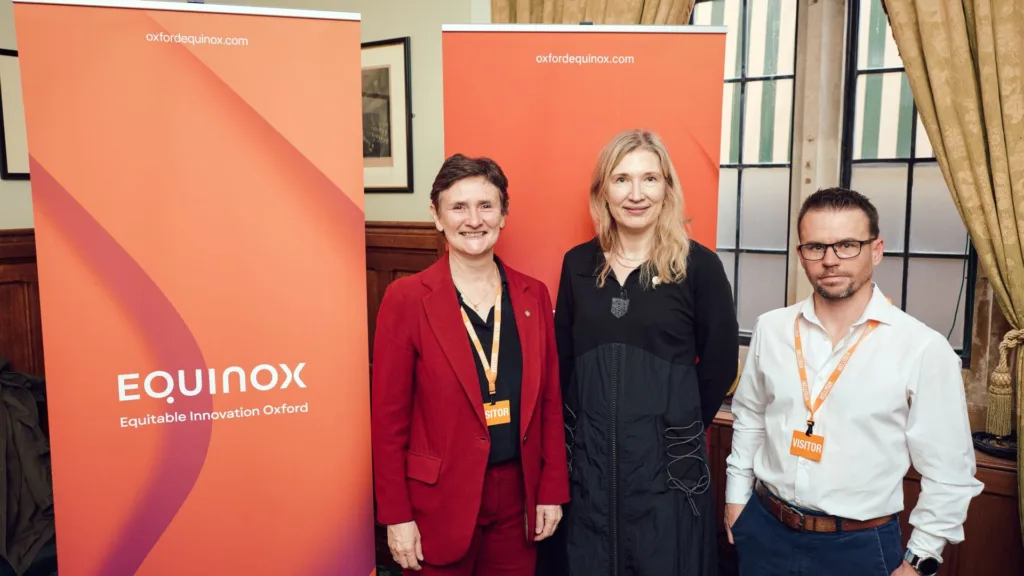
Dr Olga Kozlova, chief executive of Equinox and the University of Oxford’s director of innovation and engagement, said the partnership was moving from consultation towards delivery, with the aim of making Oxfordshire easier for businesses to navigate and helping more people access the jobs and skills created by growth.
The employment ambition was also central to comments from Anneliese Dodds, MP for Oxford East, who hosted the launch. She said the region’s success should be measured not only by company creation and investment, but also by whether local people could access the opportunities generated.
For deep-tech companies, the challenge often comes after an idea has been developed: securing patient capital, specialist staff, infrastructure and customers to compete internationally. Peter Leek, chief scientific officer at Oxford Quantum Circuits, said making that process easier would help more companies grow into global businesses from Oxfordshire.
Ed Bussey, chief executive of Oxford Science Enterprises, also backed the ambition to create 20 unicorns by 2035, arguing that companies with global potential needed access to the capital required to scale in the region.
Whether the strategy meets its targets will depend on how effectively its proposals are implemented and whether they address the barriers that prevent promising businesses from growing locally. Its emphasis on investment, skills and coordination sets out a framework; the longer-term test will be the companies, jobs and opportunities it delivers.
The Equinox 2035 Strategy is available at oxfordequinox.com/strategy.