Wild Bioscience has significantly expanded its operations at Milton Park following a £45 million Series A investment led by Ellison Institute of Technology, with continued backing from Oxford Science Enterprises, Braavos and the University of Oxford.
The funding marks a major step forward for the Oxford spinout, enabling it to accelerate the development of climate-resilient crops while expanding both its facilities and leadership team.
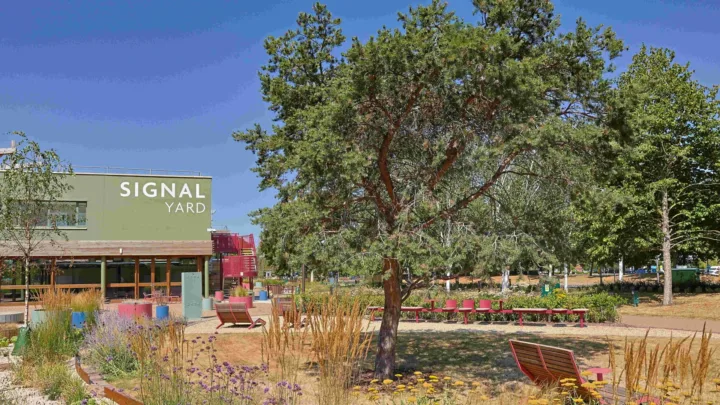
The company has signed a new lease at Milton Park, increasing its footprint by 4,560 sq ft to a total of 16,000 sq ft, including upgraded laboratory and office space across multiple buildings.
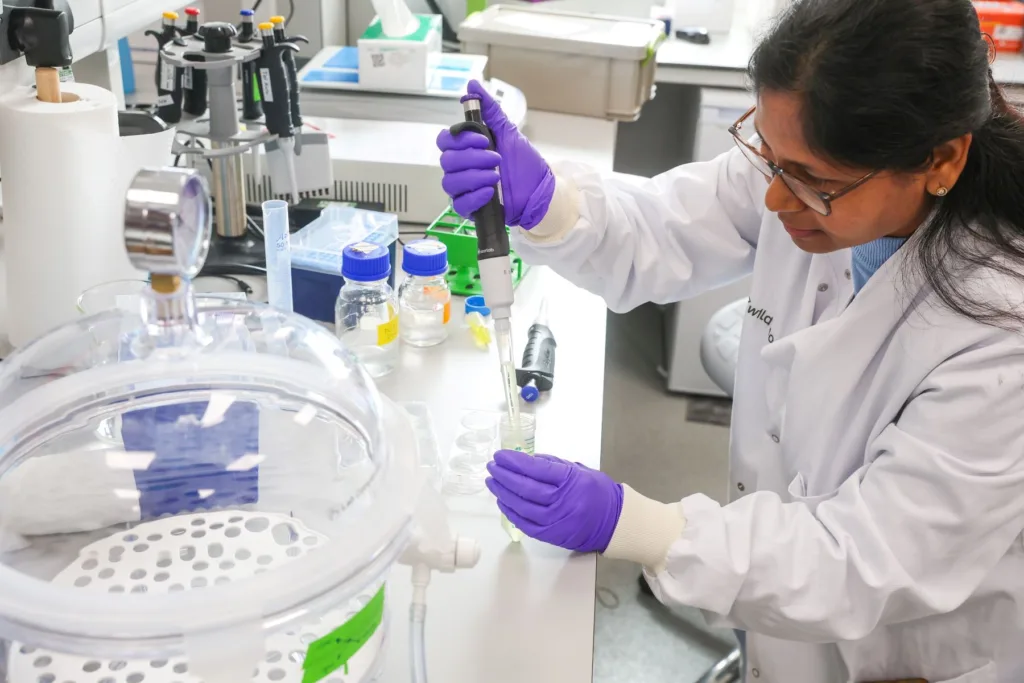
A newly fitted office and CL2 gene-editing laboratory at 127 Olympic Avenue will serve as a dedicated crop design and engineering centre, with an initial focus on precision-bred wheat. The expansion, combined with team growth and new technologies, has already allowed the company to triple its plant output within months.
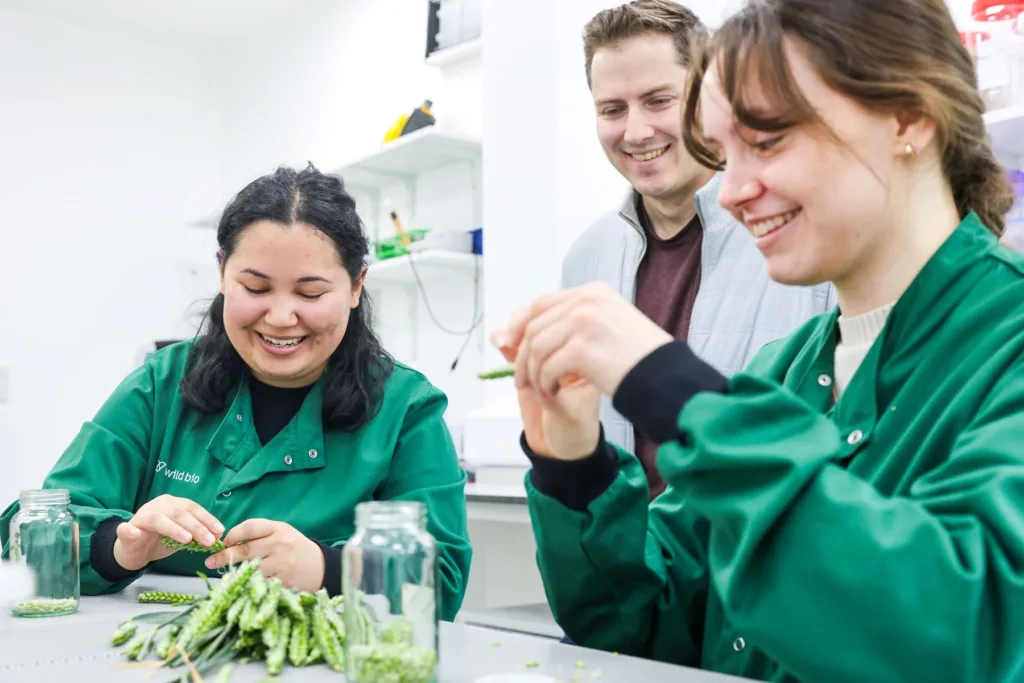
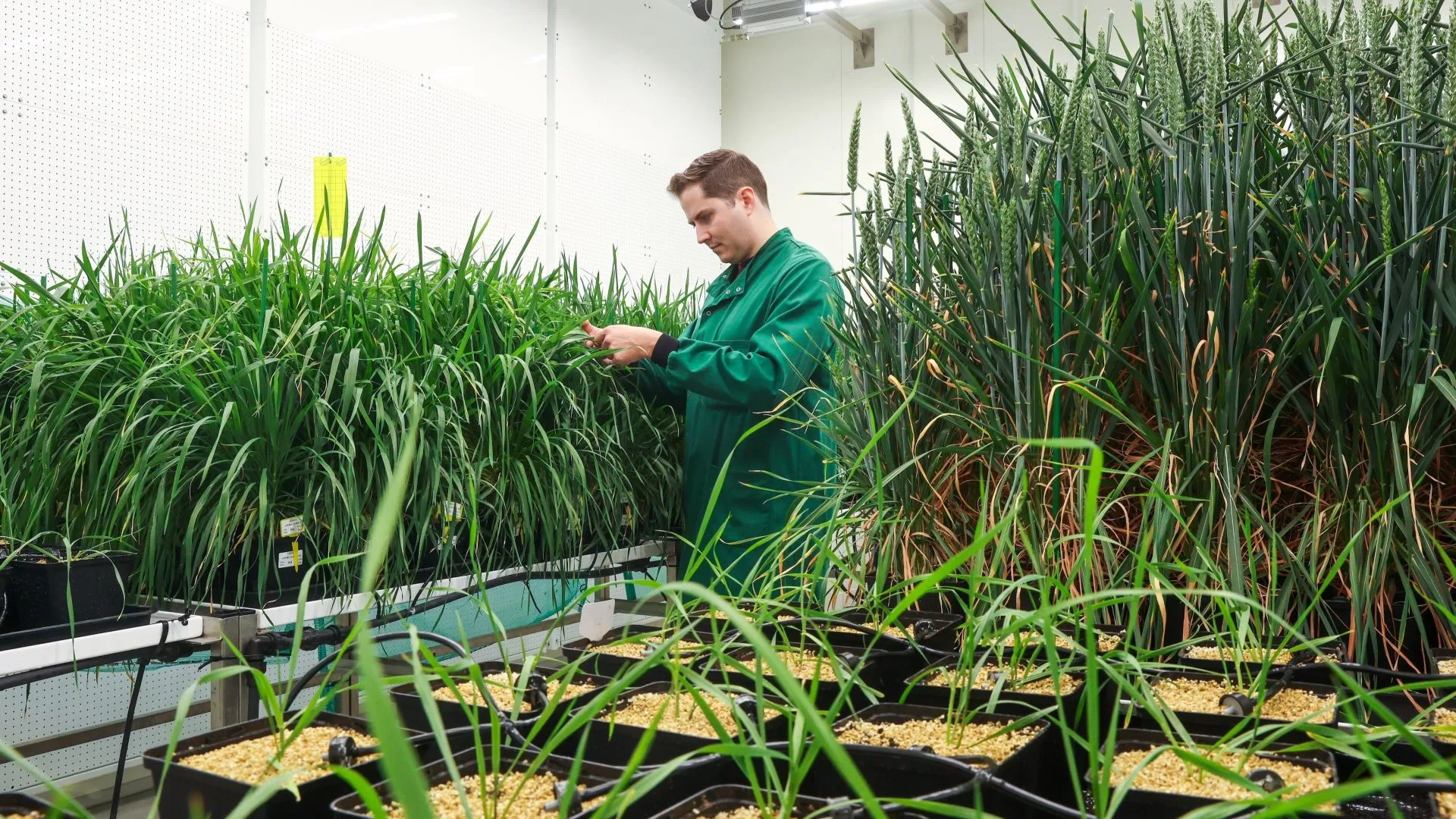
Since arriving at Milton Park in 2021, Wild Bioscience has grown to a 40-strong team, supported by advanced laboratories and specialist grow spaces designed for rapid testing of crop traits under controlled conditions.
Further investment is being directed towards converting office space into bespoke crop growth facilities, increasing capacity for testing across varied environmental conditions and accelerating seed production for field trials.
The company is also strengthening its commercial reach through international partnerships, including collaborations with The Traits Company, KWS, Dyson Farming and Pairwise Plants, supporting the global deployment of improved crop varieties.
Wild Bioscience combines AI-driven modelling with molecular biology to identify beneficial traits in wild plant species, aiming to develop crops that can withstand climate volatility while improving yields and reducing carbon intensity.
Two senior appointments have also been announced. Lisa Flashner joins the board as a non-executive director, while Dr Stuart Harrison takes on the role of chief business officer following a 24-year career at Syngenta.
Ross Hendron, CEO and co-founder of Wild Bioscience, said: “Since founding Wild Bio, we’ve been building a powerful design engine to create resilient crops. AI is now dramatically accelerating that capability, but to realise its full potential we need to scale pipelines that turn predictions into validated crop products and feed real-world results back to continuously improve our models.
“This expansion in infrastructure, team, and technology is a key step in developing the engineering loop that bridges computational design and plant biology. We’re starting with the world’s most widely grown crop: wheat.
“We’re excited to welcome Lisa and Stuart to the team as we deploy our Series A to fundamentally change how crops are designed, enabling agriculture to keep up with our rapidly changing planet.”
Lisa Flashner said: “At the Ellison Institute of Technology, we focus on translating breakthrough science into solutions that can deliver real-world impact at scale.
“Wild Bioscience exemplifies this approach – combining deep scientific expertise with a clear ambition to address global food resilience in an increasingly complex world. The continued investment in capability reflects a business building strong foundations for sustainable, scalable growth.
“I’m delighted to join the board and support the team as they take the next steps in their development.”
Tom Booker of Federated Hermes Real Estate added that the company’s growth highlights Milton Park’s role in supporting science and technology businesses from early-stage innovation to commercial scale.